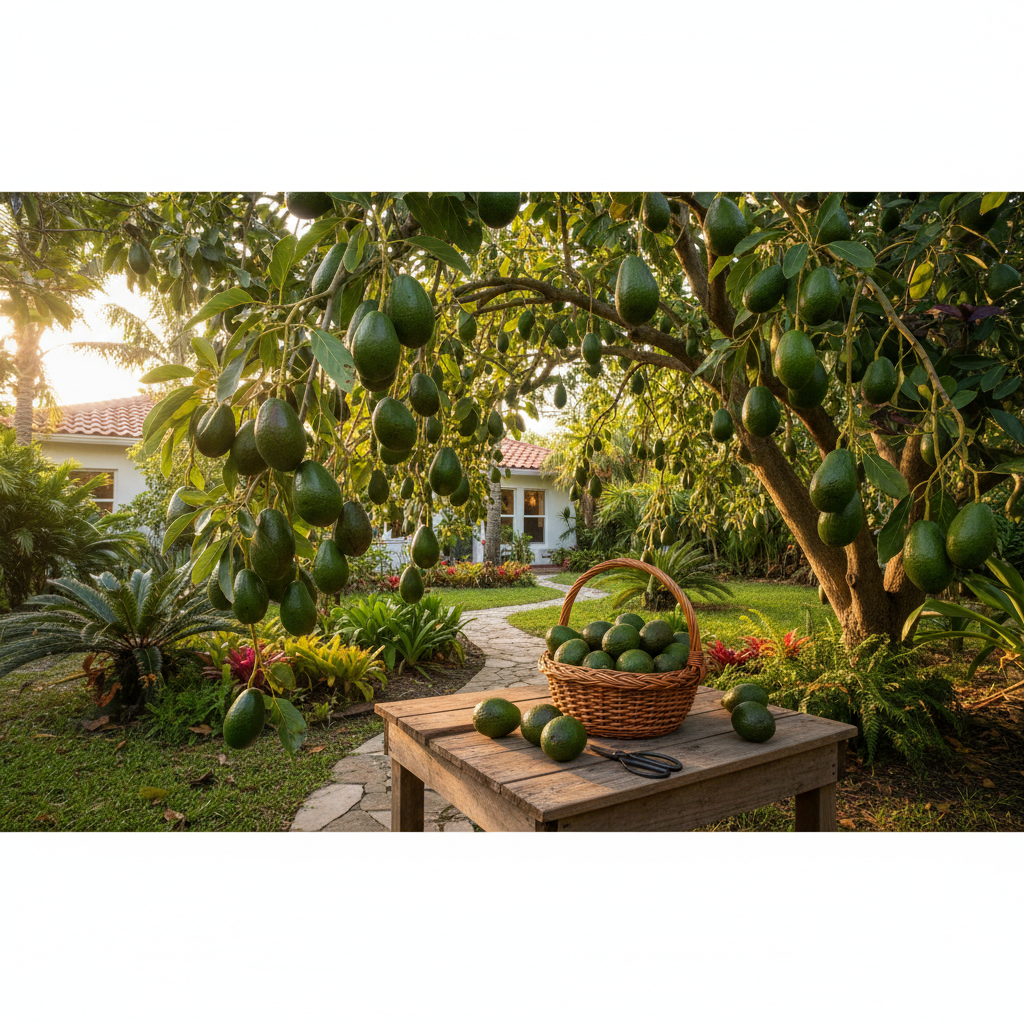
2025 Florida Avocado Season Guide: Growers & Homeowners
If you’ve been watching the 2025 Florida avocado season, you’ve likely heard stories of backyard trees loaded with buttery fruit. One standout tale making the rounds: a supermarket Hass seedling in West Palm Beach’s Acreage that matured into a heavy-bearing tree with exceptionally oily flesh. It’s a reminder that microclimates and smart cultivation can deliver surprising results—even with varieties some say “don’t work” in Florida.
This matters right now. We’re heading into late-season harvests as holiday gatherings ramp up, and demand for local, high-quality avocados is peaking. Whether you’re managing a grove or nurturing a single tree, this guide distills what to plant, how to harvest for flavor, and the steps to protect your trees—so you can make the most of the 2025 Florida avocado season.
You’ll get practical takeaways on choosing varieties, dialing in harvest timing for optimal oil content, and managing Florida-specific disease pressures. Plus, we’ll extract lessons from that backyard Hass success to help you replicate results in your own landscape.
Why the 2025 Florida Avocado Season Matters Now
Florida’s avocado window is unique, stretching from summer through winter depending on cultivar. Late November and early December are prime time for mid-to-late season varieties, making this a pivotal moment for both home cooks and local sellers.
- For homeowners: Fruit quality is rising quickly now. Pick too early and you’ll get watery flavor; time it right and you’ll hit rich, nutty, high-oil profiles perfect for holiday dishes.
- For growers: Post-storm cleanup and disease vigilance are critical as we exit hurricane season. Strong late-season fruit can anchor farm-stand sales and CSA boxes.
Seasonal strategy:
- Review windbreaks and staking after heavy weather events.
- Thin excessively loaded branches to reduce limb breakage.
- Plan staggered picks to match ripening schedules and market demand.
“Very oily, rich fruit.”
> A simple backyard observation that sums up what Florida-grown avocados can deliver when timing, tree health, and variety align.
Can Hass Avocados Thrive in Florida? A Backyard Lesson
The buzz around a Hass seedling thriving in West Palm Beach isn’t a fluke—it’s a case study in how Florida’s microclimates, thoughtful care, and genetic variability can surprise us.
Seedling reality check
- Seedlings from supermarket fruit are genetic wildcards. Some won’t match the parent; a few exceed expectations.
- Bearing age typically ranges 5–8 years, though grafted trees bear sooner.
- If a seedling shows promise (heavy set, high oil, great taste), consider top-working additional trees with scion wood from the winner.
Why some Hass types struggle—and how to adapt
Florida’s humidity and disease pressures differ from arid, Mediterranean climates. Classic Hass can be more prone to fungal issues here, but good practices improve odds:
- Choose sunny, airy sites; avoid low-lying wet pockets.
- Plant on a mound for drainage; avocados dislike “wet feet.”
- Mulch generously, but keep mulch off the trunk.
- Prioritize sanitation and preventative sprays when disease pressure rises.
Pollination and fruit set
Avocados have A and B flower types. Many Florida favorites set well without a pollinizer, but pairing types can help in marginal conditions. If your tree’s bloom feels “shy,” add a compatible type nearby to boost set.
Best Florida Avocado Varieties to Plant in 2025
Diversifying varieties spreads risk and extends your season. Exact dates shift with weather and location, but these guidelines fit most of South Florida and warm pockets of Central Florida.
Early season (roughly June–August)
- Simmonds (Type A): Classic Florida flavor, early and productive. Great for kickstarting the season.
- Brogdon (Type B): Purple skin, cold-tolerant for Central Florida margins.
Mid season (roughly September–November)
- Choquette (Type A): Large, smooth-skinned fruit with good texture; a workhorse for many yards.
- Oro Negro (Type B): Richer profile and darker skin; a favorite among enthusiasts for a more “buttery” experience.
Late season (roughly November–January)
- Monroe (Type B): Excellent late-season quality and firmness; popular for storm resilience and market appeal.
- Lula (Type A): Often used as a rootstock in Florida; fruit can be high quality late in the year.
Planting notes:
- Pair A and B types if space allows for broader cross-pollination.
- In limestone or sandy soils, amend planting areas with organic matter and ensure consistent microirrigation.
- For new plantings in 2025, prioritize wind-tolerant, disease-aware selections and consider a late-season anchor variety to capture holiday demand.
Harvesting for Peak Quality: Oil, Dry Matter, and Timing
What separates “good” from “incredible” is harvest timing. Aim for higher oil (reflected by higher dry matter) for richer flavor and slower, more consistent ripening.
The dry matter method
- Sample 3–5 representative fruit.
- Peel, dice, and weigh a 100 g sample of edible flesh.
- Dry gently (air-fryer on low, dehydrator, or an oven at very low heat) until weight stabilizes.
- Final dry weight percentage ≈ dry matter. As a rule of thumb, higher dry matter correlates with richer taste. Thresholds vary by cultivar.
If you can’t test dry matter, use a “pick-and-hold” approach:
- Pick a small batch.
- Ripen at room temperature (avoid refrigeration). Most Florida types ripen in 3–7 days.
- Assess flavor, texture, and seedcoat cling. If watery or rubbery, wait 2–3 weeks and test again.
Handling and storage tips
- Harvest with clippers, leaving a short stem stub to reduce rot entry.
- Shade picked fruit; don’t leave it to heat in the sun.
- Avoid storing below 45°F; chilling injury can ruin texture.
- For ripening control, separate fruit by maturity and size, and use paper bags to speed ripening if needed.
From orchard to table: holiday uses and local sales
- Culinary: Florida types shine in salads, ceviche, and sliced presentations; richer cultivars also excel in guacamole and spreads.
- Value-add: Offer curated “ripen-at-home” packs with guidance cards. Include serving suggestions for holiday boards.
- Pricing: Emphasize local freshness, varietal name, and high dry matter. Consumers pay for story and quality.
Protecting Your Trees: Laurel Wilt and Wet-Season Diseases
Florida growers face a unique disease landscape. Proactive management preserves both backyard specimens and commercial blocks.
Laurel wilt basics
- Cause: A fungus spread by ambrosia beetles that can rapidly kill avocado trees and other laurels.
- Signs: Sudden leaf wilt, dark streaking in sapwood, rapid decline.
- Prevention:
Other common issues
- Phytophthora root rot: Prevent with excellent drainage, mounding, and careful irrigation. Avoid chronic wetness around the root zone.
- Anthracnose and scab: Improve airflow via pruning, prune only in dry weather, and use preventative sprays as appropriate for your management system.
- Nutritional balance: Avocados respond well to light, frequent feeding. Maintain adequate zinc, boron, and iron, especially in alkaline soils.
Action plan checklist:
- Mulch 3–6 inches deep, pulled back from the trunk.
- Sanitize tools between trees.
- Scout weekly during warm, wet stretches.
- Prune for light and airflow after harvest, not during heavy rain periods.
Florida’s 2025 season is proving that with the right variety and timing, you can achieve outstanding oil content and flavor—sometimes even from an unexpected seedling.
If you’re planning your next planting, curating a holiday harvest, or troubleshooting tree health, use this guide as your roadmap. For a deeper dive, create a customized planting plan, assemble a harvest calendar for your microclimate, and schedule a quick consultation to align variety choice, pruning, and disease prevention with your goals. The 2025 Florida avocado season is here—make it your most flavorful yet.