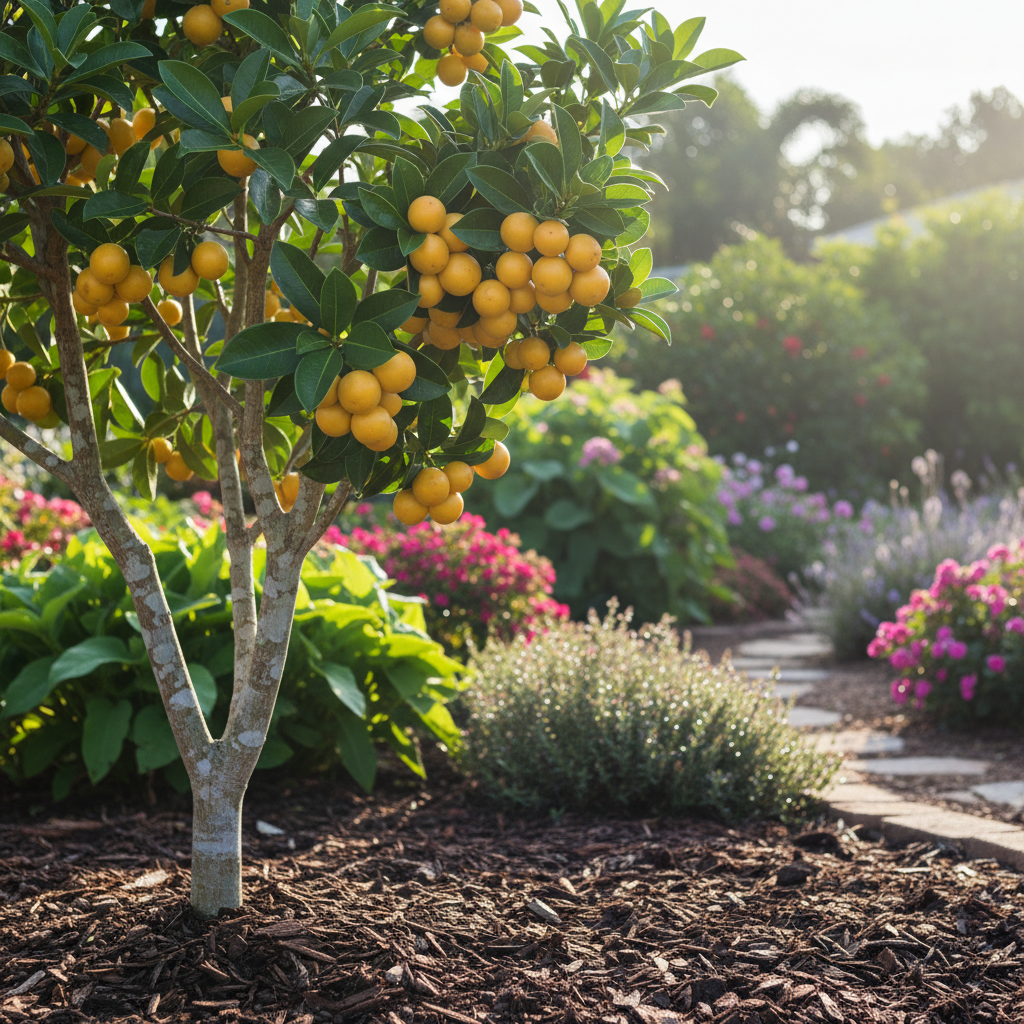
Cabeludona Yellow Jaboticaba: Pre‑Sale Grow Guide
As the year winds down and growers plan their 2026 harvests, few tropicals are creating as much buzz as Myrciaria glazioviana “Cabeludona,” the Large‑Fruit Yellow Jaboticaba. Interest is surging thanks to limited pre‑sale windows and the return of complementary varieties like the Black Hybrid Jaboticaba. If you’re aiming to expand your collection with rare, high‑value fruit trees, this is a timely opportunity to secure stock before spring demand peaks.
In this guide, we’ll unpack what makes Cabeludona special, how it compares to the Black Hybrid Jaboticaba, and the exact steps to establish both in containers or the ground. You’ll get practical tips on soil, watering, fertilizing, cold protection, and a realistic timeline from pre‑sale purchase to first fruit.
Whether you’re in a subtropical zone or growing under lights in a winter greenhouse, consider this your roadmap to success with the Large‑Fruit Yellow Jaboticaba.
Why Cabeludona Is Turning Heads
Cabeludona is a prized selection of Myrciaria glazioviana often called the Large‑Fruit Yellow Jaboticaba. While it sits within the broader jaboticaba family of cauliflorous fruit trees, it stands apart in flavor, color, and presentation.
Flavor and fruit qualities
- Skin: golden yellow to deep amber when ripe
- Pulp: translucent to light yellow, juicy and tender
- Taste: bright and aromatic, often described as sweet‑tart with hints of apricot, mango, and lemon zest
- Size: larger than typical yellow types, making it a standout for fresh eating and small‑batch preserves
Grower note: The striking yellow fruit against smooth mottled bark makes Cabeludona as ornamental as it is delicious.
Growth habit and productivity
Cabeludona forms a dense, upright canopy with attractive, glossy foliage. Like other jaboticabas, it fruits on the trunk and older wood (cauliflory), creating spectacular clusters. Mature plants can crop multiple times a year in warm climates with steady moisture. Most growers report that plants are self‑fertile, though having two individuals can improve fruit set and stagger the harvest window.How it differs from common jaboticaba
- Color and flavor profile diverge from the classic purple‑black jaboticabas
- Often fruits in warm, humid conditions with consistent watering
- Makes an exceptional conversation piece in patio collections due to its golden clusters
Back in Stock: The Black Hybrid Jaboticaba
The Black Hybrid Jaboticaba (commonly described as Plinia cauliflora × aureana) blends the rich, grape‑like character of a classic black jaboticaba with the vigor and nuance of a white/yellow lineage. It’s back in stock this season, and for good reason.
Why growers love it
- Hybrid vigor: often faster growth and earlier fruiting compared to typical seedling forms
- Flavor: deep, berry‑grape with floral notes; a superb fresh‑eating fruit
- Aesthetic: dramatic black fruit on smooth bark—perfect for display and photos
Pairing strategy with Cabeludona
- Staggered flavor profiles: bright tropical notes (Cabeludona) vs. rich berry tones (Black Hybrid)
- Extended harvest: hybrids and yellow types don’t always peak at the same time
- Pollination synergy: while generally self‑fertile, dual planting can help yields in marginal conditions
Pro tip: If you already have an open order with your nursery, ask whether you can add the Black Hybrid to ship together. Many nurseries can combine shipments when inventory and timing allow, helping you save on freight and consolidate your acclimation schedule.
How to Grow Cabeludona and Jaboticabas
Jaboticabas are famously forgiving once their basics are dialed in: slightly acidic media, consistent moisture, and protection from cold snaps. Follow these fundamentals and you’ll stack the odds in your favor.
Site and climate
- Best outdoors in USDA zones 9b–11; protect below 28–30°F (−2 to −1°C)
- In cooler zones, grow in containers and overwinter in a bright, protected space (sunroom, greenhouse, or grow‑light setup)
- Thrive in high humidity but adapt well indoors with a humidifier or pebble trays
Soil and potting mix
- Target pH: 5.0–6.5, rich in organic matter
- Container mix recipe (by volume): 40% fine pine bark, 30% peat or coco coir, 20% perlite, 10% compost
- Priorities: rapid drainage with high water‑holding capacity; avoid heavy, compacted soils
Watering and fertilizing
- Water: keep evenly moist—never bone‑dry, never soggy; use a moisture meter or finger test
- Mulch: 2–3 inches of pine bark or leaf mold to stabilize soil moisture and pH
- Fertilizer: slow‑release, acid‑friendly formula applied every 8–12 weeks during active growth; supplement with chelated iron and micronutrients if leaves pale
Light and placement
- Young plants: bright, filtered light to prevent leaf scorch while establishing
- Mature plants: full morning sun with dappled afternoon shade in hot summers
- Indoors: aim for 12–14 hours under full‑spectrum lights if natural light is limited
Training, pruning, and cauliflory
- Minimal structural pruning—preserve the trunk and older scaffolds where flowers form
- Remove inward‑facing twigs and weak crossing branches to improve airflow
- Encourage a multi‑flush cycle with steady feeding and moisture for multiple crops per year in warm conditions
Cold protection and overwintering
- Container plants: move indoors before the first frost; keep around 55–70°F (13–21°C)
- Outdoor plants: use frost cloth, temporary frames, or trunk wraps during short cold events
- Avoid heavy pruning before winter; maintain a light canopy to shield bark during radiative frosts
From Pre‑Sale to First Harvest: Your Timeline
Pre‑sale plants are a strategic buy for spring—they let you secure rare cultivars before peak season and plan your setup while availability is still strong.
Unboxing and acclimation (Week 1–2)
- Inspect immediately: check moisture, leaves, and root stability
- Acclimate to your light conditions over 5–7 days to prevent sunburn or shock
- Stake lightly if needed; avoid up‑potting the same day unless roots are badly bound
Potting up (Month 1–6)
- Start with a container just 1–2 sizes up from the nursery pot
- Step up gradually to 10–15 gallons for patio plants and 20–25+ gallons for long‑term container trees
- Keep roots spreading laterally with a broad, shallow profile—these trees love oxygen
First flowers and fruiting window
- Seedlings: often 5–8 years to fruit; some hybrids can be earlier
- Grafted or select clones: commonly 3–5 years with proper care
- Flowering cues: mature bark (on trunk and older limbs), steady moisture, and warm nights
Expect multiple flushes per year in tropical climates, and 1–2 main crops in subtropical settings depending on temperature and watering consistency.
Pollination and fruit set
- Generally self‑fertile; a light tap on flowering branches can help pollen shed in still air
- Two plants can improve fruit set and hedge against off‑year variability
Smart Buying Tips for Pre‑Sale Plants
A little due diligence goes a long way—especially with rare tropicals where stock is limited.
What to look for in listings
- Clear cultivar or selection name: “Myrciaria glazioviana ‘Cabeludona’” for Large‑Fruit Yellow Jaboticaba
- Plant size and age: height, caliper, and container size (e.g., 1‑gallon vs. 3‑gallon)
- Propagation method: seedling vs. grafted or air‑layered
- Shipping window: estimate when the plant will ship and plan your acclimation space
Bundle strategy to maximize value
- Pair Cabeludona with a Black Hybrid Jaboticaba to diversify flavor and extend harvest
- Ask if you can combine additional plants or supplies into an existing order to reduce shipping costs
- Add a care kit: acid‑friendly slow‑release fertilizer, chelated iron, pine bark mulch, humidity tray or small humidifier, and a moisture meter
On arrival: a quick checklist
- Hydrate the root ball fully before adjusting light
- Quarantine for 7–10 days away from your collection to monitor pests
- Apply a gentle kelp or humic acid drench to ease transplant shock
- Record date, pot size, and any observations to track growth and fruiting milestones
In short, Myrciaria glazioviana “Cabeludona” (Large‑Fruit Yellow Jaboticaba) delivers dazzling looks and complex, tropical flavor that few backyard fruits can match. With the Black Hybrid Jaboticaba back in stock, this season offers a rare chance to lock in two complementary heavy hitters for your 2026 harvest plan. Secure your pre‑sale plants, get your soil and containers ready, and set reminders for your spring up‑pot schedule.
Ready to move? Reserve your Myrciaria glazioviana “Cabeludona” today, then ask about adding a Black Hybrid Jaboticaba to your existing order to streamline shipping and kick‑start a diverse, high‑impact tropical fruit lineup. Which variety will you harvest first next season—the golden Cabeludona or the glossy Black Hybrid?