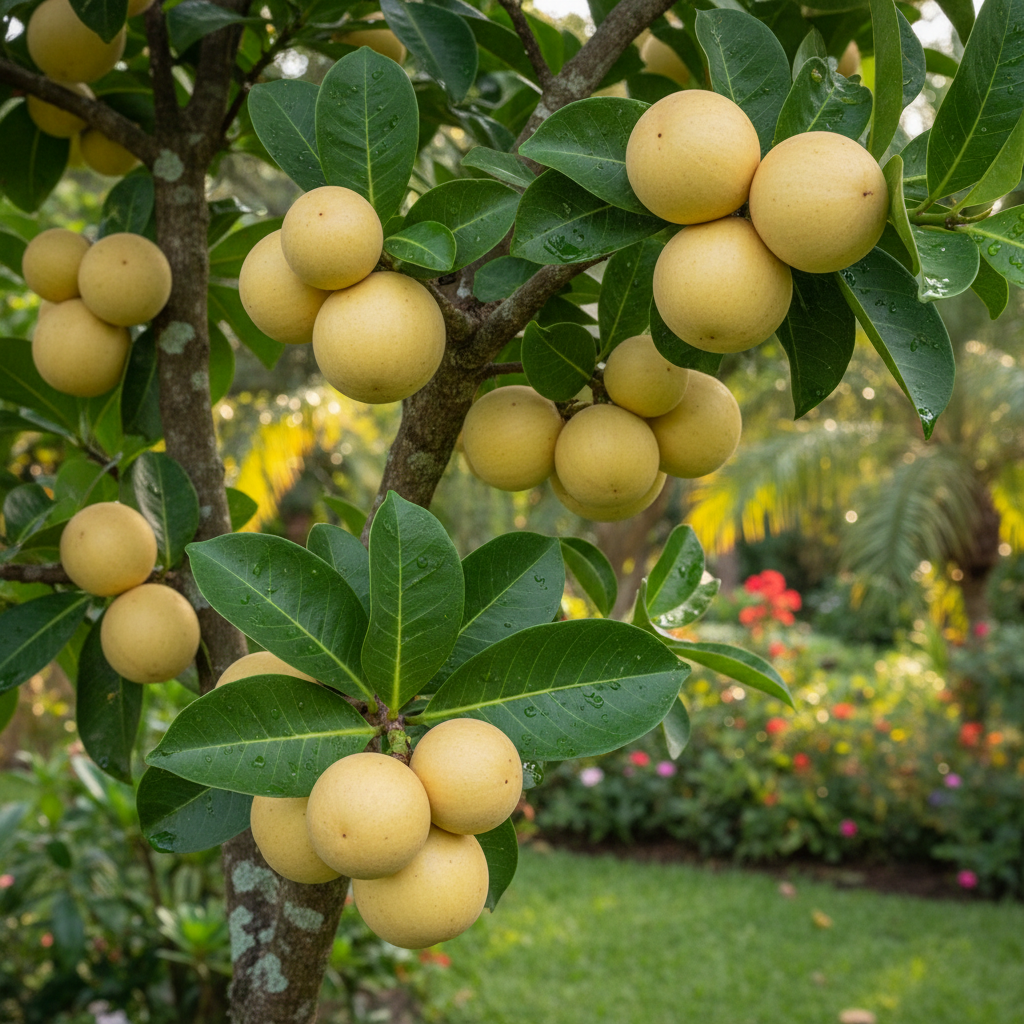
As cooler days settle in and holiday wish lists begin to take shape, few opportunities excite tropical fruit lovers like a limited pre-sale of Myrciaria glazioviana Cabeludona—the large-fruited, velvety yellow jaboticaba prized by collectors. If you’ve been waiting to add a standout conversation piece to your orchard or patio grove, this is a timely chance to secure a rare selection before spring planting.
In this guide, you’ll learn what makes the Cabeludona form so special, how to grow it successfully in both warm and marginal climates, and what to expect from a pre-sale purchase. Whether you’re a seasoned jaboticaba enthusiast or discovering yellow jaboticabas for the first time, you’ll find practical insights to turn this rarity into a thriving, fruiting centerpiece.
What Makes Cabeludona Special
Cabeludona is a distinctive form of Myrciaria glazioviana, commonly known as the yellow jaboticaba or “cabeluda,” noted for its larger fruit size and rich, sweet-tart flavor. Many growers describe the taste as a bright fusion of tropical notes—think apricot, loquat, and mango nuances—balanced by refreshing acidity.
- Larger fruit: Compared to standard yellow jaboticaba, Cabeludona is selected for bigger, fuller fruit that can offer more pulp per harvest.
- Velvety skin: A fine, natural fuzz gives the yellow skin a soft, velvety feel, which is where the “cabeluda/cabeludona” name comes from.
- Attractive habit: The plant forms a handsome, dense canopy of glossy green leaves, making it equally appealing as an edible ornamental.
Cabeludona typically fruits on older wood and interior branches (a semi-cauliflorous habit), giving the plant a jeweled look when in season. While flavor and fruit size are influenced by environment and care, the Cabeludona selection consistently earns praise for both eating quality and visual appeal.
Climate, Light, and Soil Requirements
Successful cultivation starts with matching the plant to your conditions. Myrciaria glazioviana prefers warm, humid climates and steady moisture.
Climate and temperature
- Ideal zones: Typically suited to frost-free or nearly frost-free regions, often comparable to USDA zones 9b–11.
- Cold tolerance: Short, light dips near freezing may be tolerated with protection, but sustained cold can damage foliage and young growth. Plan to protect below ~30°F (-1°C), especially for young plants.
- Seasonality: In many regions, pre-ordering in late fall positions you for spring delivery and the strongest establishment window.
Light
- Sun exposure: Provide bright light with partial to full sun. In hot interiors or very intense summer climates, light afternoon shade can help prevent leaf scorch.
- Indoor overwintering: In marginal zones, a bright sunroom or greenhouse can bridge winter. Maintain good airflow and humidity.
Soil and moisture
- Soil profile: Rich, well-drained, slightly acidic soil (target pH ~5.5–6.5) with abundant organic matter.
- Moisture: Even, consistent moisture is key. Avoid chronic wet feet, but don’t allow the root zone to fully dry out.
- Mulch: A 5–8 cm layer of natural mulch helps buffer temperature, conserve moisture, and feed soil biology.
Pro tip: Yellow jaboticabas appreciate a living, fungal-friendly soil. Think compost, leaf mold, and gentle, organic amendments rather than heavy salts.
Feeding, Pruning, and Container Culture
Cabeludona adapts well to container growing, which makes it accessible to gardeners outside the tropics.
Fertility
- Start mild: Use a gentle, balanced, slow-release fertilizer formulated for acid-loving or tropical fruit plants.
- Organic focus: Supplement with compost, worm castings, and a touch of micronutrients. Avoid strong, fast-acting salts that can burn tender roots.
- Schedule: Light, regular feedings through the warm season; pause or reduce during cool months when growth slows.
Container sizing and media
- Pot progression: Begin in a breathable 3–5 gallon container and step up gradually to 15–25 gallons as the root system fills out.
- Media blend: A chunky, oxygenated mix with pine bark fines, peat or coco, perlite or pumice, and compost supports root health.
- Drainage: Ensure multiple drainage holes and elevate the pot slightly to prevent waterlogging.
Pruning and training
- Form: Aim for an open, balanced framework that admits light to interior branches where flowers often develop.
- Timing: Light shape-ups after harvest or during active growth. Avoid heavy pruning right before expected flowering flushes.
- Height management: In containers, maintaining 1.2–2 m (4–6 ft) keeps care simple and harvest easy.
Flowering, Pollination, and Harvest
Understanding the fruiting rhythm helps you set realistic expectations and maximize yield.
Time to fruit
- From seed: Often 5–7 years to dependable fruiting, depending on care and climate.
- Grafted or selected plants: Frequently earlier, around 3–5 years under good conditions. Pre-sale offerings of selected forms aim to shorten the wait.
Pollination
- Self-fertility: Many growers report good fruit set with a single plant, though having a companion of the same species can improve yield and consistency.
- Blooming habit: Flowers arise mainly on older wood and interior branches; keep that inner canopy healthy and well-lit.
Harvest cues and handling
- Ripeness: Fruit turns a rich yellow and slightly softens. A gentle twist should release ripe fruit.
- Flavor peak: Pick when fully colored and aromatic for the best balance of sweetness and acidity.
- Storage: Enjoy fresh soon after harvest. Refrigeration can extend shelf life briefly, but flavor is best near picking day.
Why a Pre‑Sale Matters—and How to Reserve
Rare tropical fruit trees don’t sit on nursery benches for long—especially named or selected forms like Cabeludona. A pre-sale lets serious growers secure plants ahead of peak demand.
Benefits of pre-ordering now
- Priority access: Claim limited stock before spring rush.
- Best size selection: Early buyers often choose from the most desirable sizes or grades.
- Seasonal timing: Align delivery with ideal planting windows for strong establishment in 2026.
- Gift-ready: A reservation slip makes a standout holiday gift for the tropical fruit lover in your life.
What to expect in a quality pre‑sale
- Healthy stock: Look for well-rooted, hardened plants with clean foliage and active buds.
- Clear timelines: Expect an estimated shipping or pickup window aligned with your climate.
- Care guidance: Your order should include acclimation tips for a smooth transition to your garden or greenhouse.
Steps to secure your Cabeludona
- Confirm your climate and growing setup (in-ground or container, frost plan, sun exposure).
- Choose the plant size that matches your goals and space.
- Place your pre-order and note the expected fulfillment window.
- Prepare your site or potting mix ahead of delivery.
- On arrival, acclimate gradually: shade for several days, then step up light and airflow.
Acclimation tip: After shipping, give your plant 7–10 days of gentle conditions—bright indirect light, stable moisture, and minimal wind—before full sun.
Troubleshooting and Success Tips
Even experienced growers benefit from a checklist of best practices, especially with rarities.
- Water quality: If your tap water is very hard or salty, rotate in rainwater or filtered water to avoid leaf tip burn and nutrient lockout.
- Heat waves: Mulch deeply, increase humidity, and provide afternoon shade cloth to protect tender flushes.
- Cold snaps: Use frost cloth, mini-greenhouses, or bring containers indoors when forecasts dip below safe thresholds.
- Pests: Generally low-pressure, but watch for scale or mites in dry, indoor conditions. A gentle horticultural oil or neem, applied correctly, can help.
- Patience: Jaboticaba relatives reward steady care. Growth can seem slow initially while roots establish; then canopy and fruiting accelerate.
Who Should Grow Cabeludona
Cabeludona suits a range of growers:
- Collectors seeking a standout, large-fruited yellow jaboticaba selection.
- Edible landscapers who value beauty and flavor in the same plant.
- Container gardeners in marginal climates who want a manageable, fruiting tropical.
- Gift givers looking for a truly unique holiday pre-order that delivers excitement now and fruit later.
The Bottom Line
Myrciaria glazioviana Cabeludona brings together rarity, flavor, and ornamental elegance in one compact tree. With thoughtful care—warmth, even moisture, acidic organic soil, and mindful pruning—you can enjoy a reliable, sweet-tart harvest that turns heads and delivers tropical brightness to your garden.
If you’re ready to secure this selection, act during the pre-sale window while availability is strongest. Prepare your site, set your container plan, and reserve your plant now so it can arrive in time for spring planting. Questions about climate fit, sizing, or care? Reach out, and let’s match you with the right Cabeludona for a successful first season and a fruitful future.