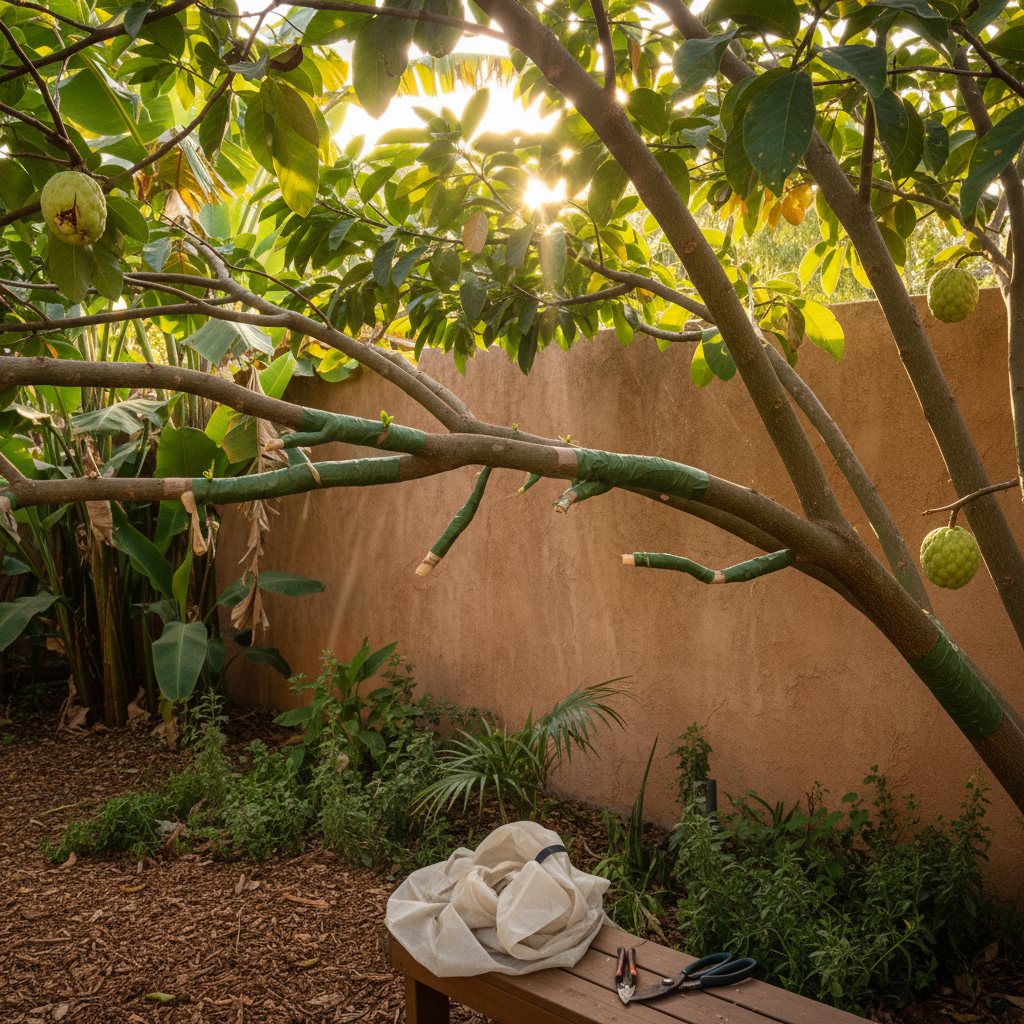
Cangrejo Sugar Apple Scion: The SoCal Grower Guide
Southern California fruit hunters are asking the same question this fall: Where can I find a Cangrejo sugar apple scion, and will it perform here? If you’re eyeing this coveted budwood, you’re not alone—and you’re right to plan ahead as nights cool and grafting season approaches. Securing a healthy Cangrejo sugar apple scion and matching it with the right SoCal strategy can mean the difference between a finicky tropical novelty and a backyard success.
In this guide, you’ll learn where Cangrejo scions are most likely to surface, how to adapt sugar apple to Southern California’s climate, the best rootstocks and grafting methods for higher take rates, smart shipping and handling tips (especially if scions are coming from Florida), and proven alternatives if Cangrejo is scarce. Whether you’re a seasoned annona enthusiast or expanding your tropical fruit collection, this is your roadmap to doing it right the first time.
Why Growers Are Chasing the Cangrejo Sugar Apple Scion
Sugar apple (Annona squamosa) is a beloved tropical with custard-sweet segments and a fragrance that screams summer. The Cangrejo sugar apple scion is particularly sought after by collectors, yet it’s rarely listed by West Coast sellers. Florida, with its warmer winters and established annona scene, tends to be the most likely source of genuine budwood.
Availability remains spotty for three reasons:
- Limited mother trees under the Cangrejo name in the U.S.
- Seasonal scion collection windows—good wood is not cut year-round
- High demand among hobbyists and small nurseries
Pro tip: Expect to reserve scions well ahead of spring. Serious growers finalize their lists now, then coordinate cutting and shipping during warm windows for best results.
Before You Hunt: Verify Cultivar Identity
Mislabeling happens. When you request a Cangrejo sugar apple scion:
- Ask for photos of the mother tree, fruit, and leaves when available
- Confirm the scion diameter (pencil-caliber is ideal) and that wood is mature and hardened
- Request clean cuts with leaves removed and labels on every stick
- Prioritize sources with a track record in the annona community
Can Sugar Apple Thrive in Southern California?
Short answer: Yes—with strategy. Sugar apple is more cold-sensitive than cherimoya and most atemoyas. In many SoCal neighborhoods, it struggles with prolonged cool nights, especially when temperatures drop below the mid-40s°F. That’s why success often hinges on microclimate, protection, and rootstock choice.
A realistic approach in SoCal:
- Coastal and urban heat islands: Better chance at outdoor survival with protection
- Inland valleys: Strong summer heat helps, but winter lows may require temporary structures or greenhouse support
- Foothills and colder pockets: Consider greenhouse, high tunnel, or container culture
Microclimate Hacks That Actually Work
- Site trees along a south- or southwest-facing stucco wall to bank daytime heat
- Use dark rock mulch or thermal mass (water barrels, stone) near the trunk
- Erect frost cloth on cold nights; add incandescent-style heat sources if critical
- Plant on mounds or raised beds to keep roots warm and well-drained
Greenhouse and Container Strategy
- Containers (15–25 gallons) allow you to roll plants under cover for cold snaps
- Keep winter water light; wet, cold soil is a common killer
- Maintain good airflow to reduce fungal pressure in protected structures
Grafting for Success: Rootstocks, Interstocks, Timing
The single biggest lever you can pull for SoCal success is your rootstock. Cherimoya (Annona cherimola) is the workhorse in Southern California—vigorous, relatively cold-tolerant, and well-adapted to local soils. Atemoya (cherimoya × sugar apple) also performs well and can bridge compatibility.
Recommended strategies:
- Cherimoya rootstock → Atemoya interstock → Cangrejo sugar apple scion: Often improves compatibility and cold resilience
- Cherimoya rootstock → Cangrejo sugar apple scion: Can work in warm microclimates; monitor union long term
- Atemoya rootstock → Cangrejo sugar apple scion: Viable where atemoya thrives
For multi-graft enthusiasts, consider maintaining at least one atemoya limb for reliable production while your sugar apple limb matures.
Best Timing in SoCal (Month by Month)
- Winter (Nov–Feb): Plan your scion list; line up sources; prep rootstocks; protect trees from frost
- Early Spring (Mar–Apr): As nights warm, push rootstocks; avoid cold snaps
- Late Spring to Early Summer (May–Jun): Prime grafting window when daytime highs are consistently warm
- Mid Summer (Jul): Late grafts can take in heat, but manage water and shade carefully
Technique Tips That Boost Take Rate
- Choose actively growing rootstocks with swelling buds
- Use veneer or cleft grafts on pencil-thick wood; align cambium carefully
- Wrap tightly with grafting tape; seal exposed cuts with parafilm
- Provide dappled shade for 2–3 weeks; avoid overwatering cool soils
- Label each graft with date and cultivar name
Sourcing and Shipping Scion Wood Safely from Florida
If you’re sourcing a Cangrejo sugar apple scion from Florida, timing and handling are everything. Ask for freshly cut, hardened wood shipped early in the week to avoid weekend delays. Request leafless sticks, sealed in slightly moistened material (not wet) and insulated from temperature swings.
Regulatory note: California has strict plant health rules. While hobbyist scion swaps are common, always confirm current guidelines before shipping into the state, and buy from reputable, compliant sources. Clean, pest-free, soil-free budwood minimizes risk.
Quality Checklist for Incoming Scions
- Mature, firm wood with visible nodes; pencil-caliber preferred
- Leaves removed; ends cleanly cut, immediately wrapped
- Individually labeled sticks (cultivar, date)
- Shipped cool, not frozen; arrive within 1–3 days of cutting
- No signs of scale, mealybugs, or fungal growth
On arrival, store scions sealed and cool if you’re not grafting same day. Rehydrate gently if needed, but avoid soaking. Use them as soon as your rootstock and weather are ready.
If You Can’t Find Cangrejo: Proven Annonas for SoCal
Cangrejo may be hard to snag. If availability is limited, you still have several excellent paths to fruit.
Sugar Apple Options (With Protection)
- Na Dai (Vietnamese types): Praised for flavor; still needs warm microclimate and winter protection
- Kampong Mauve (red/purple types): Attractive fruit; similar cold sensitivity—best near the coast or in protected setups
Success with sugar apple outdoors in SoCal is very site-specific. Expect to hand-pollinate and baby the plant through its first winters.
Atemoya Workhorses for Reliable Fruit
- Gefner: Productive and widely grown; known to set with minimal hand pollination in warmer areas
- Lisa (48-26): Excellent quality reported by many growers; benefits from consistent warmth
- Paxton Prolific: Appreciated for cooler tolerance among atemoyas relative to others
- African Pride: Vigorous and productive; hand pollination improves yield and fruit quality
Atemoya often strikes the sweet spot in Southern California—more cold-tolerant than sugar apple, yet still delivering tropical flavor. Many growers build a resilient framework of atemoya and cherimoya first, then add sugar apple as a specialty graft once the tree and microclimate are established.
Cultural Practices That Turn “Maybe” Into “Yes”
- Soil and drainage: Plant high; amend for fast drainage; avoid cold, wet feet
- Fertility: Light, frequent feeding during warm growth; emphasize potassium for fruiting; supply micronutrients in alkaline soils
- Irrigation: Deep, infrequent watering in heat; taper off in cool months
- Pollination: Hand-pollinate in the evening when flowers are receptive; use a soft brush and fresh pollen
- Pest management: Control ants to reduce scale and mealybugs; keep tools sanitized to avoid spreading issues
Conclusion: Make 2026 Your Breakthrough Annona Season
If you want a Cangrejo sugar apple scion in Southern California, now is the moment to plan. Reserve budwood, prep compatible rootstocks (cherimoya or atemoya), and set your microclimate and protection strategy before spring. With the right foundation, even this tropical can find a home in SoCal.
Ready to move from wish list to harvest? Build your scion list, set up your grafting calendar, and consider a backup atemoya for dependable fruit while your sugar apple establishes. Want help? Join our grower alerts and scion request list, or book a quick consult to tailor your plan. What will your first Cangrejo sugar apple taste like next summer?