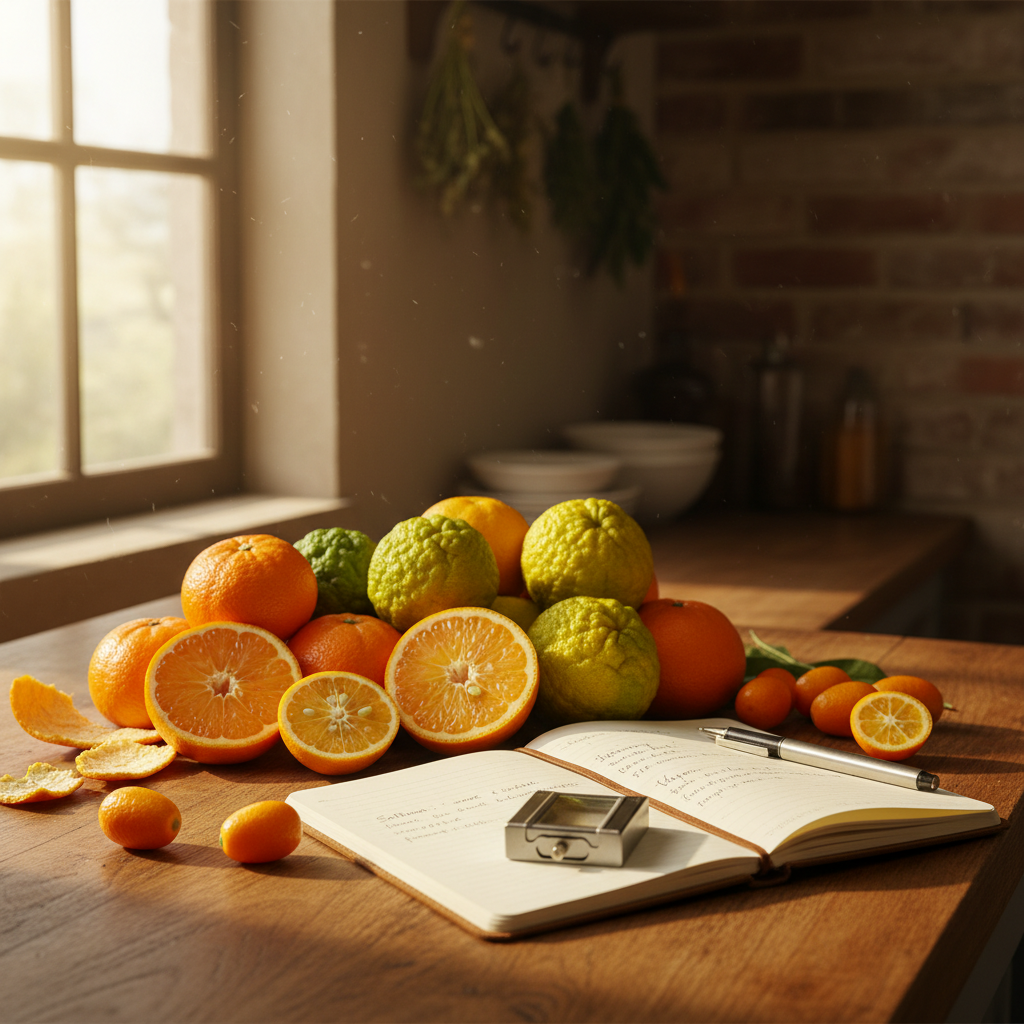
Cold Hardy Citrus Ripeness: A Practical Field Guide
When a box of new citrus arrives or the backyard trees start glowing orange in late fall, one question rules everything: are they actually ready? For cold hardy citrus, ripeness can be tricky. Color alone can mislead, shipments can mix stages, and cooler weather slows flavor development. Dialing in cold hardy citrus ripeness is the fastest way to better flavor, less waste, and more confident harvests.
This guide brings clarity to the gray areas. You’ll learn how to test cold hardy citrus ripeness at home, what to expect from popular hardy varieties, and how to time harvests when temperatures dip. Whether you grow your own or buy seasonal shipments, you’ll have a clear process to choose the sweetest fruit this month.
By the end, you’ll have a practical checklist, tasting targets, and storage tactics that make cold hardy citrus ripeness easier—so your next satsuma, yuzu, kumquat, or numbered selection hits the mark.
Why Ripeness Matters More With Cold Hardy Citrus
Cold hardy citrus—think satsuma, yuzu, Changsha mandarin, and kumquat—can produce excellent flavor in cool climates, but they don’t all sweeten on the same schedule. Shorter days and colder nights slow sugar accumulation and color break, so a fully orange peel may still hide tart flesh.
Another wrinkle: market fruit is sometimes picked early to withstand shipping. If you receive a mixed shipment, you’ll likely have fruit at different ripeness stages. That’s normal. The key is sorting and testing so you eat the best fruit first and give borderline fruit time to mellow.
Finally, numbered selections (for example, an experimental “N30”) often vary as growers evaluate them. Sampling the same selection multiple times across a few weeks is essential before you decide on quality.
How to Test Cold Hardy Citrus Ripeness (Step by Step)
When in doubt, taste beats every other test.
1) Look: color, oil glands, and peel “puff”
- Aim for deep, even color with a slight sheen. Patchy green can be fine in cool weather, but solid green shoulders are a caution sign.
- Check oil glands (the tiny dots on the peel). As fruit matures, they look flatter and feel smoother.
- Gently squeeze. Excessive “puffiness” (air space under the peel) can indicate aging, but in satsumas a little looseness is normal and often correlates with peak juiciness.
2) Feel: detachment and weight
- Perform the twist test. Ripe fruit releases with a gentle twist while the calyx remains on the stem. If you must tug hard, it’s likely early.
- Heft matters. Two fruits of the same size—choose the heavier one. More weight usually equals more juice and dissolved sugars.
3) Smell: aroma intensity
- Warm the peel with your hands and inhale. A strong, clean citrus aroma suggests mature oils and better flavor. Weak aroma often signals underripe.
4) Taste: a simple sampling protocol
- Sample from both sun and shade sides of a tree; microclimates matter.
- Take two bites: one near the stem end and one near the blossom end. The blossom end is often sweeter; if both ends taste balanced, you’re close to peak.
- Keep brief notes: date, variety, tree location, and a 1–5 sweetness rating. Two weeks of quick notes pay dividends for future harvest timing.
5) Tools that upgrade your accuracy
- Hand refractometer (for Brix): A simple drop of juice gives a sugar estimate. As a rough guide, satsumas are typically satisfying at 10–12+ Brix; kumquats taste best when the peel is aromatic and the flesh hits double-digit Brix; yuzu is prized for aroma and acidity more than sweetness.
- Pruners: If fruit resists the twist test, clip it to avoid tearing the spur.
- Painter’s tape and a marker: Date-mark a few fruits you leave on the tree to compare flavor week over week.
Tasting Notes: What To Expect From Popular Hardy Varieties
Satsuma (Citrus unshiu)
Expect easy-peel segments, low acid, and a sweet, gentle flavor profile. In many zone 8–9 areas, November is prime time. If flavor seems flat, give the tree another 7–10 days and resample; cooler, sunny days can boost balance.- Signs of peak: deep orange color, loose peel without excessive puff, strong orange blossom aroma, juice that tastes sweet before the third segment.
- Kitchen uses: fresh eating, salads, and low-heat desserts where their delicate aromatics shine.
Yuzu (Citrus junos)
Yuzu is about perfume, not sugar. Ripe yuzu turns golden and becomes intensely aromatic; the juice is tart and complex, perfect for zest, dressings, and warm seasonal drinks.- Signs of peak: peel oils are highly fragrant; rind feels dense and resilient. Seeds are mature and plentiful (normal for yuzu).
- Kitchen uses: zest for finishing, salted or candied peel, hot teas, savory marinades.
Changsha Mandarin
Changsha can be wonderfully sweet when fully mature but often carries many seeds. If picked too early, it tastes thin or sharp; with patience it develops a richer sweetness.- Signs of peak: rich orange color with a balanced sweet-tart bite and abundant juice.
- Kitchen uses: fresh eating, juice blends, small-batch marmalade.
Kumquat (Nagami, Meiwa)
With kumquats, the peel is the star—sweet, aromatic, and snackable when ripe. Flesh is tart; the best flavor comes when peel sweetness meets bright acidity.- Signs of peak: firm, deep orange fruit with glossy peel and a big aroma when scratched.
- Kitchen uses: whole-fruit snacking, quick preserves, candied slices, cocktail garnishes.
Numbered Selections and Hybrids (e.g., “N30”)
Breeding selections can surprise you—both good and not-yet-there. Don’t judge on a single fruit. Taste across multiple weeks and trees when possible.- Best practice: schedule three tastings, one week apart. Note changes in sweetness, aroma, and juice. The right week can completely change your opinion.
Harvest Timing and Weather: Make the Forecast Work for You
Timing harvests in cool weather is part science, part strategy. Use this simple framework:
- If nights are turning cold but not freezing, leave fruit to hang a bit longer. Cool, sunny days help sugars accumulate and acidity mellow.
- If a hard freeze is forecast, prioritize picking less hardy varieties first. Store them cool and dry; taste again after 3–5 days as acidity softens slightly off-tree.
- For backyard growers: branches laden with fruit can be more susceptible to cold injury. Harvesting a portion before a cold snap reduces risk while letting remaining fruit continue to mature.
General seasonal rhythm by region:
- Warmer zones (8b–9): satsumas often peak from late October through December; kumquats and yuzu can hold well into winter.
- Cooler edges (8a and protected microclimates): expect a later start and move quickly ahead of deep cold. Taste weekly starting mid-November.
Remember: sugar doesn’t increase after harvest, but perceived sweetness can improve a little as acidity drops in storage. Use this to your advantage if you had to pick early.
From Shipment to Storage: Getting the Most from Mixed Ripeness
If you just received a shipment with fruit that seems uneven, triage like a pro:
1) Sort by aroma and color
- Eat-first pile: deeply colored, very fragrant, heavy fruit.
- Hold pile: lighter aroma, patchy color. Keep at cool room temperature out of direct sun.
2) Use each stage wisely
- Slightly underripe: great for marmalade, candied peel, shrubs/syrups, or zest-forward dishes (especially yuzu and kumquat).
- Fully ripe: fresh eating, salads, and juicing.
3) Store smart
- Short term (3–7 days): countertop in a single layer; rotate daily.
- Longer term (up to a few weeks, variety-dependent): breathable bag in the refrigerator crisper. Check weekly for soft spots.
4) Keep notes for your next order
- Mark the arrival date and the day the fruit tasted best. This helps you time future shipments or harvests.
Your Cold Hardy Citrus Ripeness Checklist
Use this quick list every time you pick or sort:
- Color mostly uniform with a healthy sheen
- Fruit feels heavy for its size
- Strong peel aroma when warmed in hand
- Gentle twist releases fruit without tearing
- First bite tastes sweet or balanced, not sharp
- Notes recorded: date, variety, and tree or shipment source
Want a printable version? Request our one-page Cold Hardy Citrus Ripeness Checklist and seasonal harvest calendar to keep by your kitchen scale and pruners.
Conclusion: Taste Forward, Notes Handy, Timing Smart
Cold hardy citrus ripeness is part observation, part patience, and part tasting. With a repeatable process—look, feel, smell, taste, and note-taking—you’ll capture the short window when satsumas sing, yuzu perfumes the kitchen, and kumquats pop with sweet-tart balance.
Start with one tree or one shipment and apply the checklist this week. If you’re ready to go deeper, request the free checklist and join our grower updates for harvest timing alerts. Your next box can be your best yet—because cold hardy citrus ripeness isn’t a guess anymore, it’s your system.