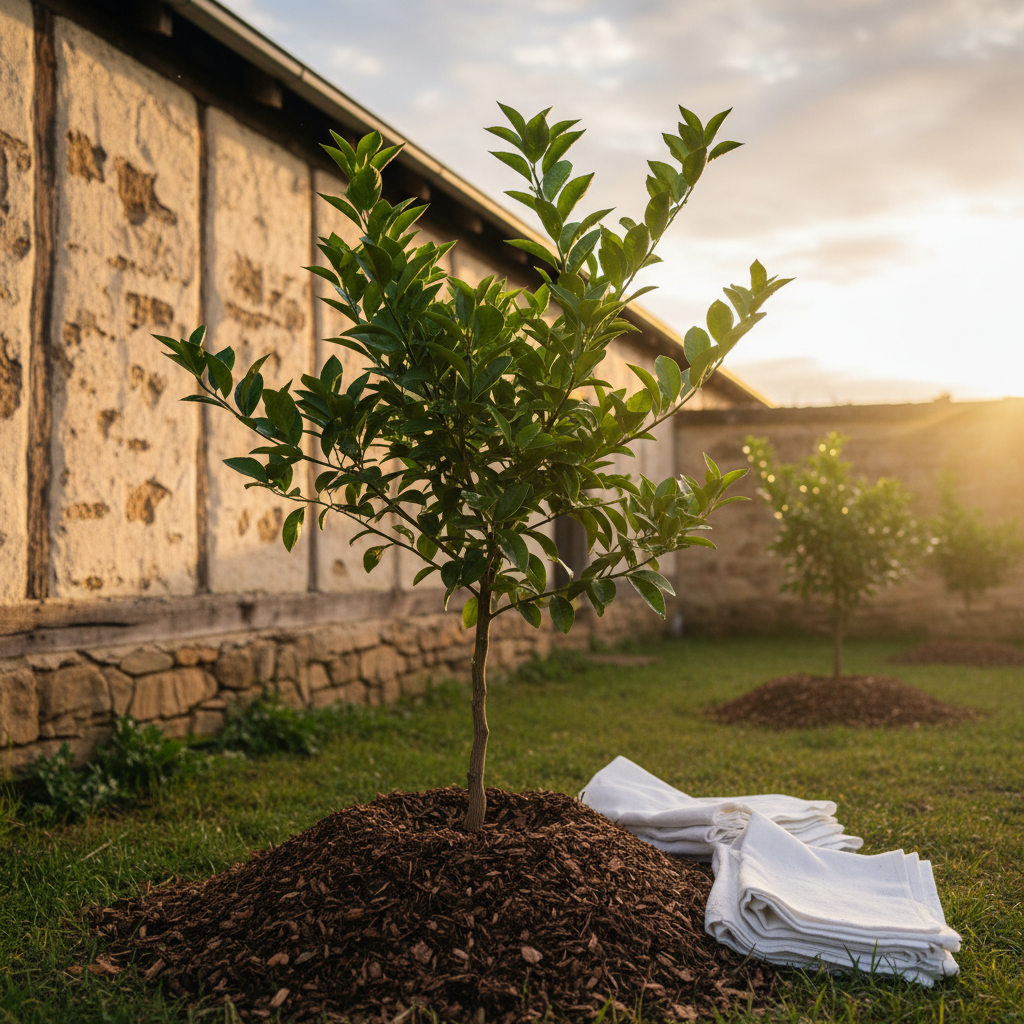
Cold Hardy Citrus Rootstocks: Boost Vigor and Yields
As fall settles in and growers assess their trees before winter, one question keeps coming up: which cold hardy citrus rootstock will actually deliver vigor, resilience, and fruit quality in marginal climates? If you’ve ever watched a promising seedling struggle on its own roots—like many report with certain VL selections expected to act like Keraji derivatives—you’re not alone. Rootstock choice is one of the most powerful levers you can pull to turn a weak performer into a reliable producer.
This guide breaks down how rootstocks influence growth and cold tolerance, why some cold-hardy mandarins and hybrids underperform on their own roots, and how grafting onto Poncirus trifoliata (PT) can change the outcome. You’ll get practical grafting tips, a winter prep checklist for November, and an actionable mini trial plan to decide what works in your microclimate.
Bottom line: a well-matched cold hardy citrus rootstock can mean the difference between a tree that languishes and one that fruits consistently through cold snaps.
Why Vigor Varies in Cold-Hardy Citrus
Cold-hardy citrus selections—Keraji, various hybrids, and VL-type selections—often inherit toughness, but vigor isn’t guaranteed on their own roots. Root systems determine water uptake, nutrient efficiency, and stress signaling; the scion’s genetics don’t always shine without a compatible foundation.
Own-root vs. grafted trees
- Own-root trees can be simple to start, but they frequently show slower establishment and inconsistent vigor in cool soils.
- Grafted trees leverage rootstock traits—cold hardiness, disease resistance, and nutrient efficiency—that the scion may lack.
- In marginal zones, the root system’s reaction to cold soil often dictates spring push and recovery after frost.
The Keraji expectation—and reality
Keraji-type mandarins are known for cold tolerance and early fruiting, so growers often expect strong vigor. But vigor is context-dependent: soil pH, drainage, and rootstock all modulate growth. A VL selection that is “less vigorous than expected” on its own roots can respond dramatically when grafted to PT or other hardy stocks that thrive in chilly, wet winters.
Rootstock Choices for Cold Tolerance and Vigor
Selecting a cold hardy citrus rootstock is about balancing vigor, cold resilience, and fruit quality. Here are proven options for zone 8/9a and other marginal climates.
Poncirus trifoliata (PT)
- Strengths: Excellent cold hardiness; induces moderate size; strong anchorage; good disease tolerance in cool, wet soils.
- Considerations: Can be more dwarfing than some growers expect; prefers well-drained soils; delays early flush in cold springs (often a positive in frost-prone sites).
- Best for: Mandarins, many hybrids, and scions that underperform on their own roots.
Flying Dragon (a dwarf PT selection)
- Strengths: Maximum cold tolerance with strong dwarfing; great for containers, high-density, or wind-exposed sites.
- Considerations: Smaller canopy and slightly delayed fruit size; ideal where protection infrastructure is used.
Swingle citrumelo (C. paradisi × P. trifoliata)
- Strengths: Good cold hardiness, salinity tolerance, and vigor; often more robust than straight PT in some soils.
- Considerations: Slightly less cold-hardy than PT; watch compatibility with specific mandarins.
Carrizo/Troyer citrange (C. sinensis × P. trifoliata)
- Strengths: Vigorous, widely available, adaptable.
- Considerations: Not as cold hardy as PT; better for 9a that only sees brief dips below freezing.
Sour Orange (C. aurantium)
- Strengths: Strong vigor, good fruit quality influence.
- Considerations: Limited cold tolerance compared to PT; use in mild coastal or urban heat island microclimates.
Quick rule of thumb: If hard freezes are likely (below 20°F), start with PT or Flying Dragon. If you’re milder but need more vigor, trial Swingle or Carrizo alongside PT.
A Practical Trial: Own-Root vs. PT-Grafted in Your Yard
The best data is the data you grow. If your VL or Keraji-type selection lacks vigor on its own roots, test it on PT in parallel. A small, disciplined trial can give you answers by the second season.
Set up your comparison
- Propagate or source two to four grafted trees on PT and maintain one or two own-root plants of the same scion.
- Plant in paired, comparable conditions (same sun, soil texture, drainage, irrigation) or keep in identical containers.
- Label and log planting dates, rootstock, and scion source.
Measure what matters
Track these metrics each quarter:
- Trunk caliper at 15 cm above the union
- Canopy volume (height × width estimates)
- Leaf color and density (simple 1–5 rating)
- First flowering and fruit set dates
- Post-freeze recovery time (days to bud push)
Expected outcomes
- PT often improves spring push consistency and reduces cold injury in marginal sites.
- Time to first fruit may be similar or slightly earlier on PT due to steadier growth.
- Fruit size and peel thickness can shift subtly with rootstock; taste test side-by-side.
Tip: Photograph each tree from the same angle monthly. Visual records are invaluable when you compare seasons.
Grafting and Early Care: A Cold-Climate Checklist
If you’re planning to graft your VL or Keraji-type scion onto PT, timing and aftercare are everything.
When to graft
- Aim for late spring to early summer when rootstocks are actively growing and night temps are reliably above 55°F.
- In cooler zones, bench-graft indoors in late winter and hold at 70–75°F for callusing before hardening off.
Techniques that work
- Whip-and-tongue or cleft grafts: Great for small-diameter material; strong unions.
- T-budding: Efficient in warm, steady weather; excellent for producing numbers.
- Keep unions clean and tight: Use sharp tools, disinfect blades between cuts, and wrap with budding tape or parafilm.
Early care essentials
- Stake gently to protect the union from wind.
- Remove any rootstock sprouts promptly below the graft.
- Maintain even moisture—never waterlog. PT dislikes soggy soils in cold weather.
- Fertilize lightly with a balanced citrus blend after you see new growth; avoid high nitrogen late in the season.
Troubleshooting low vigor
If a grafted tree still lags:
- Check soil pH (target 6.0–6.5) and drainage; amend with organic matter and raise beds if needed.
- Inspect for rootbinding in containers; step up pot size before roots circle hard.
- Apply micronutrients (Fe, Zn, Mn) if leaves yellow between veins.
- Review sun exposure—aim for 8+ hours; use reflective mulch near walls in cool sites.
Winter Prep and Microclimate Hacks for November
November is the moment to harden trees and prepare for cold. A few proactive moves can prevent setbacks and protect graft unions.
Harden and protect
- Stop nitrogen feeding now to prevent tender growth.
- Mulch 2–3 inches out to the dripline, keeping mulch off the trunk.
- Wrap young trunks and graft unions with breathable tree wrap where deep freezes threaten.
- Stage frost cloths and clips; pre-fit supports so covers don’t rest on foliage.
Microclimate advantage
- Plant on south-facing slopes or near heat-retaining walls.
- Use water barrels or stone features as heat sinks.
- For containers, move trees against a south wall and elevate pots off cold concrete.
Freeze night protocol
- Water the day before a freeze to buffer root temps.
- Cover before sunset; add a small radiant heat source under the cover for severe events.
- Vent covers the next day to prevent heat build-up and fungal pressure.
November action item: inventory supplies, label covers by tree, and set temperature triggers (for example, cover at 28°F and below).
Key Takeaways and Next Steps
Choosing the right cold hardy citrus rootstock is the fastest way to turn inconsistent growth into steady vigor and reliable fruiting. If your VL or Keraji-type selection underwhelms on its own roots, trial it on Poncirus trifoliata—then measure caliper, canopy, fruiting, and post-freeze recovery to make data-backed decisions.
- Start small, compare own-root vs. PT side-by-side.
- Use smart grafting timing and clean technique.
- Prepare now, in November, to protect unions and bank winter heat.
Ready to dial in your rootstock strategy? Request our cold hardy citrus rootstock checklist and a quick-start grafting plan, or book a short consult to map out your 2026 plantings. Your climate may be marginal—but your yields don’t have to be. What will your next cold-hardy trial look like when spring returns?