Does Rootstock Affect Citrus Sweetness? Facts & Tips
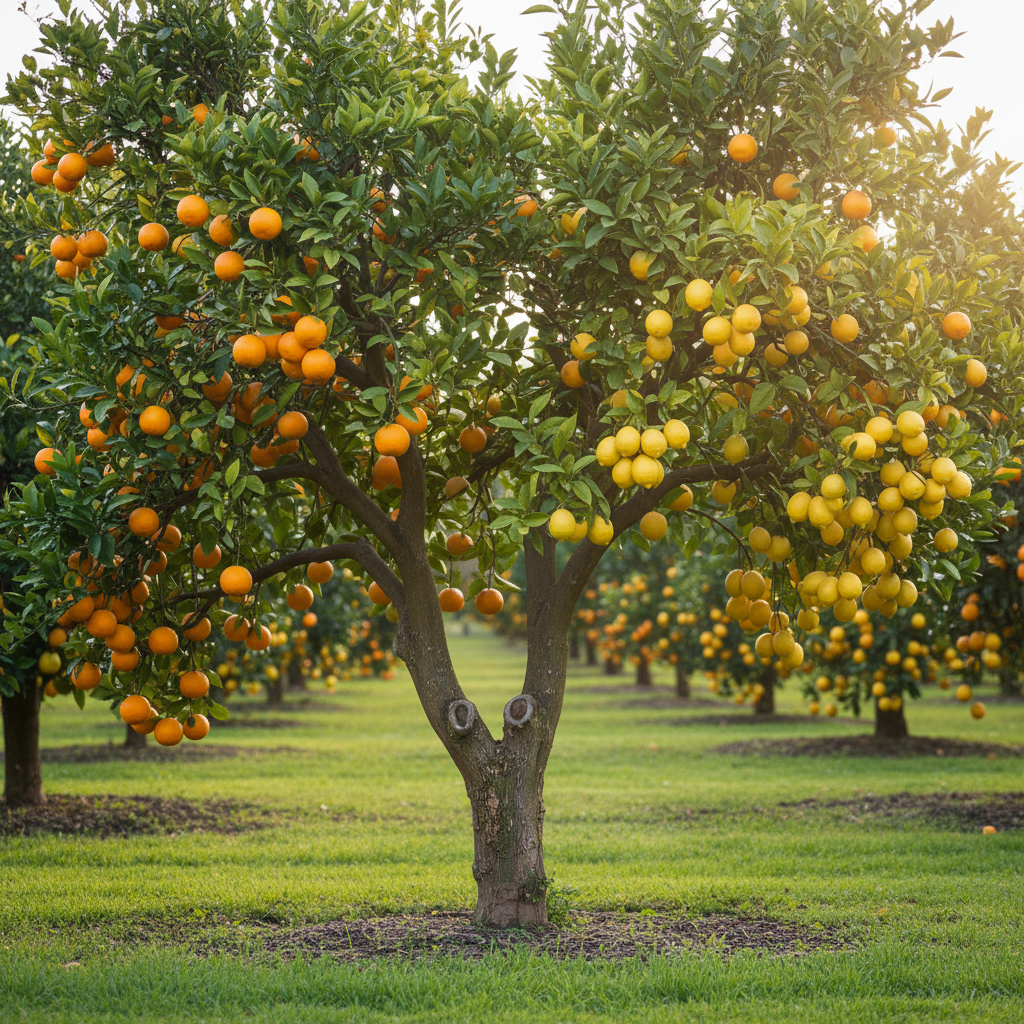
As citrus season rolls in each November, a common question pops up in backyard orchards and pro groves alike: does rootstock affect citrus sweetness? If you graft a sweet orange onto lemon or onto Poncirus trifoliata (the famously sour trifoliate orange), will the fruit lose its sweetness? Here’s the short answer: your scion sets the flavor blueprint, and the rootstock fine‑tunes it.
In practice, rootstocks can nudge fruit size, maturity date, peel thickness, juice content, and the sugar/acid balance—but they don’t “transfer” sourness from the roots into the fruit. Understanding that nuance helps you choose the right pairing for sweeter harvests, whether you’re grafting a sweet orange, a lemon, or a ‘Gold Nugget’ mandarin on a multi-graft “cocktail” tree.
This guide breaks down how rootstocks influence sweetness, compares popular citrus rootstocks—including lemon and P. trifoliata—and shares field-tested steps to maximize flavor in your 2025 plantings.
Why Your Rootstock Choice Matters for Sweetness
Myth check: A sour rootstock does not make sweet orange fruit taste sour. The scion genotype is the primary driver of flavor.
Sweetness in citrus comes down to the sugar/acid ratio. Growers often track sugars as Brix (total soluble solids). While genetics dominate, rootstock influences the tree’s vigor, water and nutrient uptake, and crop load—factors that ripple into Brix and acidity.
- Higher vigor from certain rootstocks can yield larger fruit with slightly diluted sugars if irrigation and crop load aren’t managed.
- Dwarfing or moderate vigor rootstocks may concentrate sugars, sometimes raising Brix and advancing maturity.
- Rootstock also affects timing: earlier maturity can mean better flavor before winter storms or frosts.
Seasonal cue for November: as nights cool, many citrus naturally accumulate sugars. The right rootstock helps your scion capitalize on this window with better balance and consistent quality.
How Rootstocks Influence Fruit Quality
The biology behind the blend
Rootstocks shape the tree’s plumbing and metabolism:
- Water relations: Drought-tolerant or dwarfing stocks can limit excessive water uptake, helping concentrate sugars.
- Nutrient uptake: Stocks differ in how they deliver nitrogen, potassium, and micronutrients that drive photosynthesis and flavor development.
- Canopy vigor and light: Vigor affects leaf area and light penetration; both influence fruit coloration and sweetness.
What research and growers consistently observe
- Scion rules the flavor: A ‘Valencia’ on different stocks still tastes like ‘Valencia.’ Rootstocks tweak the intensity.
- Brix and acid shifts: Some rootstocks nudge Brix up 0.5–1.5 points or shift acidity slightly, changing perceived sweetness.
- Juice content and peel: Rootstocks can increase juice percentage and affect peel thickness and color at maturity.
Spotlight: Poncirus trifoliata and its hybrids
P. trifoliata (and hybrids like ‘Carrizo,’ ‘C-35,’ and ‘Flying Dragon’) are widely used because they offer disease tolerance, dwarfing options, and cold hardiness. Typical effects include:
- Moderate to higher Brix with good internal quality.
- Earlier color break and maturity in some climates.
- Smaller to medium fruit size with strong juice percentage.
Crucially, P. trifoliata does not impart a “trifoliate” off-flavor to a citrus scion. That resinous poncirus taste is in its own fruit, not something that travels up into sweet orange or mandarin.
What about lemon as a rootstock?
Lemon rootstocks tend to be vigorous and are used primarily for lemons. When used under sweet orange or mandarins:
- Expect strong growth and potentially larger fruit.
- Without careful irrigation and crop-load management, you may see slightly lower Brix from dilution.
- Compatibility and disease tolerance vary; lemon roots aren’t the universal answer for sweet orange quality.
Best Rootstocks for Sweet Orange and ‘Gold Nugget’ Mandarin
If you’re planning a multi-graft tree—say grafting ‘Gold Nugget’ onto an existing lemon—or establishing a new planting, here’s how common rootstocks compare for sweetness and overall quality.
For sweet orange (e.g., ‘Navel,’ ‘Valencia’)
- Poncirus trifoliata (standard types)
- ‘Carrizo’ and ‘C-35’ citrange (trifoliate x sweet orange)
- Sour orange (traditional)
- Lemon as rootstock
For ‘Gold Nugget’ mandarin (often requested as “golden nugget”)
- ‘C-35’ citrange
- P. trifoliata (including ‘Flying Dragon’ for dwarfing)
- Lemon rootstock
Pro tip: If you’re topworking a mature lemon with ‘Gold Nugget,’ keep a balanced canopy by grafting 2–3 strong shoots and thinning competing lemon growth. This helps the mandarin scion capture enough light to develop sweetness.
Grafting Tips for Home Growers in 2025
Best timing
- Late winter to early spring is ideal for T-budding or chip budding when bark slips easily.
- For cleft or bark grafts on thicker wood, aim for late winter just before sap flow increases.
Methods that work
- T-bud or chip-bud for precision and high take rates on citrus.
- Cleft or bark grafts for topworking larger limbs on established trees.
Aftercare that preserves sweetness potential
- Secure unions tightly and seal exposed cuts to prevent desiccation.
- Train a single leader per graft and stake if needed to avoid wind damage.
- Remove suckers from below the graft regularly so the scion gets the energy.
Health, hygiene, and compatibility
- Source clean budwood to avoid viruses (e.g., tristeza, exocortis) that can ruin fruit quality.
- Keep graft unions 6–12 inches above soil to reduce disease risk.
- Match growth vigor: a very dwarf scion on a highly vigorous rootstock can be harder to manage for flavor.
Practical Ways to Boost Citrus Sweetness (Regardless of Rootstock)
Even with a perfect rootstock, management makes or breaks flavor. Use these levers to raise Brix and balance acidity.
Irrigation finesse
- Avoid excess water in the 4–6 weeks before harvest; mild deficit can lift Brix.
- Water deeply but infrequently; don’t keep roots constantly saturated.
Nutrition tuned for flavor
- Moderate nitrogen after mid-summer to prevent watery, vegetative growth late season.
- Ensure adequate potassium and magnesium for sugar transport and photosynthesis.
- Maintain soil organic matter to stabilize moisture and micronutrient availability.
Sunlight and canopy
- Open the canopy: prune for dappled light and good air flow; fruit in better light zones often test higher Brix.
- Manage crop load: thin lightly on heavy-set mandarins to concentrate sugars in remaining fruit.
Harvest timing and testing
- Don’t rush. Many citrus sweeten significantly in late fall and early winter.
- Use a handheld refractometer to track Brix; combine with taste to judge the sugar/acid balance.
Containers and microclimates
- In cooler zones, a south-facing wall or heat-retaining patio can improve maturity and sweetness.
- Dwarfing rootstocks like ‘Flying Dragon’ shine in containers where you control water and nutrients precisely.
Conclusion: Choose Rootstock for Site and Goals, Manage for Flavor
Rootstocks absolutely influence citrus sweetness—but indirectly. The scion dictates flavor, while the rootstock fine-tunes Brix, acidity, fruit size, and maturity through vigor, water, and nutrient dynamics. Grafting sweet orange onto lemon won’t make oranges taste like lemons, and using Poncirus trifoliata won’t make fruit sour. With smart irrigation, nutrition, and canopy management, you can push the sugar/acid ratio in your favor regardless of rootstock.
If you’re planning new grafts or cocktail trees this season, pick rootstocks for your soil, disease pressures, and desired tree size, then manage for light and water to maximize sweetness. Want help choosing? Request our Citrus Rootstock Cheat Sheet and a quick consult—let’s dial in your plan for peak flavor. Does rootstock affect citrus sweetness in your orchard? Try a side-by-side graft this winter and taste the difference next fall.