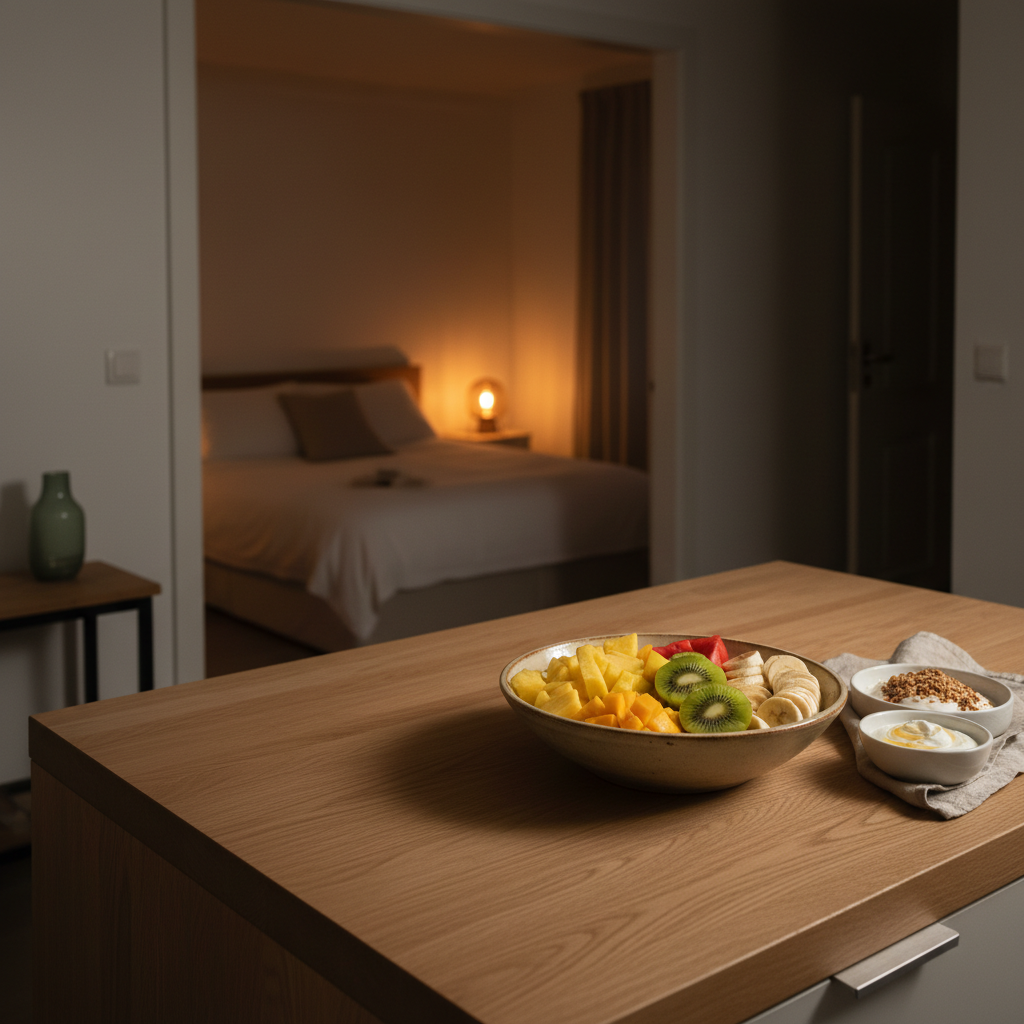
Eat This Tonight: Tropical Fruits for Better Sleep
Shorter November days, packed calendars, and time changes can throw off even rock-solid sleep routines. If you’re looking for a simple, evidence-aligned way to settle into deeper rest fast, start with your plate—specifically, with tropical fruits for better sleep. The right evening snack can calm nighttime wake-ups and help you drift off more easily.
A recent study highlights that increasing intake of a particular food group was linked to fewer awakenings and about a 16% improvement in overall sleep quality. While researchers continue to refine the details, the takeaway is clear: smart nutrition choices can pay off by bedtime. In this guide, you’ll learn why tropical fruits deserve a spot in your evening wind-down, how to use them, and the exact snack pairings to try tonight.
Early findings suggest that eating more of the right foods is associated with fewer night wakings and roughly a 16% improvement in sleep quality.
Why Your Plate Affects Your Pillow Tonight
Sleep isn’t just about what happens in the bedroom—it’s also about what happens in your bloodstream and brain in the hours before lights out.
- Stable blood sugar supports steady, uninterrupted sleep. Big swings—often caused by refined sugar or ultra-processed snacks—can trigger adrenaline and nighttime wake-ups.
- Certain nutrients prime your brain for rest. Magnesium and potassium help relax muscles and nerves. Vitamin B6 is involved in producing serotonin and melatonin, the hormones that regulate sleep.
- Carbohydrate quality matters. A modest amount of slow-digesting carbs in the evening can help tryptophan cross the blood-brain barrier and support melatonin production. Pairing carbs with protein or healthy fats slows digestion and keeps your energy stable overnight.
- The gut-brain connection plays a role. Fiber feeds beneficial gut bacteria, which produce compounds that can influence stress resilience and sleep quality.
Tropical Fruits: Small Changes, Real Sleep Gains
Tropical fruits bring a powerful mix of fiber, electrolytes, antioxidants, and sleep-supportive nutrients. They’re also delicious and easy to prep—key advantages when you’re winding down after a long day.
Pineapple
- Why it helps: Hydrating, rich in vitamin C and protective antioxidants; some research suggests pineapple consumption may support melatonin rhythms.
- Sleep-friendly portion: About 1 cup fresh pineapple (or 3/4 cup if very ripe) paired with protein to soften its natural sugars.
Kiwi
- Why it helps: Naturally high in antioxidants and serotonin precursors. Small trials have observed better sleep onset and efficiency when kiwi is eaten before bed.
- Sleep-friendly portion: 1–2 kiwis, ideally with yogurt or a handful of nuts.
Banana
- Why it helps: Provides magnesium, potassium, and vitamin B6 to relax muscles and assist neurotransmitter production. Gentle, familiar, and easy to digest.
- Sleep-friendly portion: 1 small banana with nut butter for staying power.
Mango
- Why it helps: Offers fiber, vitamin B6, and polyphenols that support a calmer nervous system. Naturally sweet but better balanced with protein.
- Sleep-friendly portion: 3/4–1 cup mango with cottage cheese or skyr.
Papaya
- Why it helps: Fiber-rich with digestive enzymes that can feel soothing in the evening. Vitamin C supports stress recovery.
- Sleep-friendly portion: 1 cup papaya with a squeeze of lime and a sprinkle of pumpkin seeds.
Collectively, these fruits provide the steady-carbohydrate, micronutrient, and antioxidant support your body can use to transition into sleep—and they align well with the research trend linking diet quality with fewer nighttime awakenings.
What to Eat Tonight: Sleep‑Smart Pairings
A standalone bowl of fruit is refreshing, but pairing fruit with protein and healthy fats reduces blood sugar spikes and extends satiety—key for staying asleep.
6 quick, satisfying evening snacks (5 minutes or less)
- Kiwi + Greek yogurt: 1–2 kiwis over 1/2 cup unsweetened Greek yogurt; sprinkle cinnamon.
- Banana + almond butter: 1 small banana with 1 tablespoon almond butter and a pinch of sea salt.
- Pineapple + cottage cheese: 3/4 cup pineapple over 1/2 cup cottage cheese; add unsweetened coconut flakes for texture.
- Mango chia parfait: 1/2 cup mango layered with 1/2 cup plain skyr and 1 tablespoon chia seeds.
- Papaya bowl: 1 cup papaya, squeeze of lime, 1 tablespoon pumpkin seeds for magnesium and crunch.
- Tropical trail plate: Slices of banana and kiwi with 10–12 cashews and 1 square of dark chocolate (70%) for a calming ritual.
A creamy tropical sleep smoothie
- 1/2 small banana
- 1/2 cup pineapple
- 1/2 cup plain Greek yogurt (or unsweetened soy yogurt)
- 1 tablespoon rolled oats
- 1 teaspoon almond butter
- Pinch of cinnamon and a splash of water
Blend until smooth. The combo of slow-digesting carbs, protein, and a touch of fat provides a gentle rise in energy followed by steady release through the first half of the night.
When and How Much: Timing, Portions, and Pitfalls
Getting the details right can make the difference between a snack that soothes and one that disrupts.
Timing
- Aim for your snack 60–90 minutes before bedtime. This gives digestion a head start without going to bed overly full.
- If you’re ravenous after dinner, plan a slightly larger evening snack and reduce your dinner portion accordingly.
Portions and macros
- A good target for an evening snack is about 150–250 calories.
- Include 15–25 grams of carbohydrates, 8–15 grams of protein, and 5–10 grams of healthy fat.
- Keep fiber moderate (3–6 grams) to avoid GI discomfort at night while still supporting stable blood sugar.
Common pitfalls to avoid
- Big, heavy meals late at night can worsen reflux and fragment sleep.
- Sugary desserts without protein/fat often cause a 2–3 a.m. crash-and-wake pattern.
- Caffeine stealth sources (chocolate-heavy desserts, certain teas) too close to bedtime.
- Too much fluid late in the evening may trigger bathroom wake-ups; keep smoothie portions modest.
- If you’re prone to reflux, favor lower-acid fruits (banana, papaya) over large servings of pineapple near bedtime.
Make It a Habit: Track Results and Personalize
Use a short, 7-night experiment to see how food changes show up in your sleep.
The 7-night sleep-nutrition check
- Evenings 1–3: Choose one tropical fruit pairing each night, 60–90 minutes before bed.
- Evenings 4–7: Rotate different pairings and find your favorite.
- Each morning, jot down: time to fall asleep, number of wake-ups, grogginess on waking, and evening snack details.
- After a week, keep the top one or two snacks that delivered the calmest nights.
Layer in daytime habits for compounding benefits
- Morning light exposure within an hour of waking anchors your circadian rhythm.
- Move daily: even a 20–30 minute walk reduces sleep latency.
- Set a caffeine curfew 8 hours before bedtime and aim for consistent meal timing.
Who should be cautious
- If you manage blood sugar, work with your clinician and use a meter or CGM to find portions that keep you steady.
- If you have chronic kidney disease, discuss high-potassium fruits (e.g., banana) with your care team.
- Watch for latex–fruit sensitivities (banana, papaya) if you have known latex allergies.
Your Next Step
Tonight, pick one simple pairing—like kiwi with Greek yogurt or banana with almond butter—and notice how your body responds. Within a week, most people find at least one evening snack that reliably shortens the time to fall asleep and reduces wake-ups.
If you’d like help getting started, request our free Tropical Sleep Snack Plan with a 7‑day menu and shopping list. Small, tasty changes can add up to real results—especially when you focus on tropical fruits for better sleep.