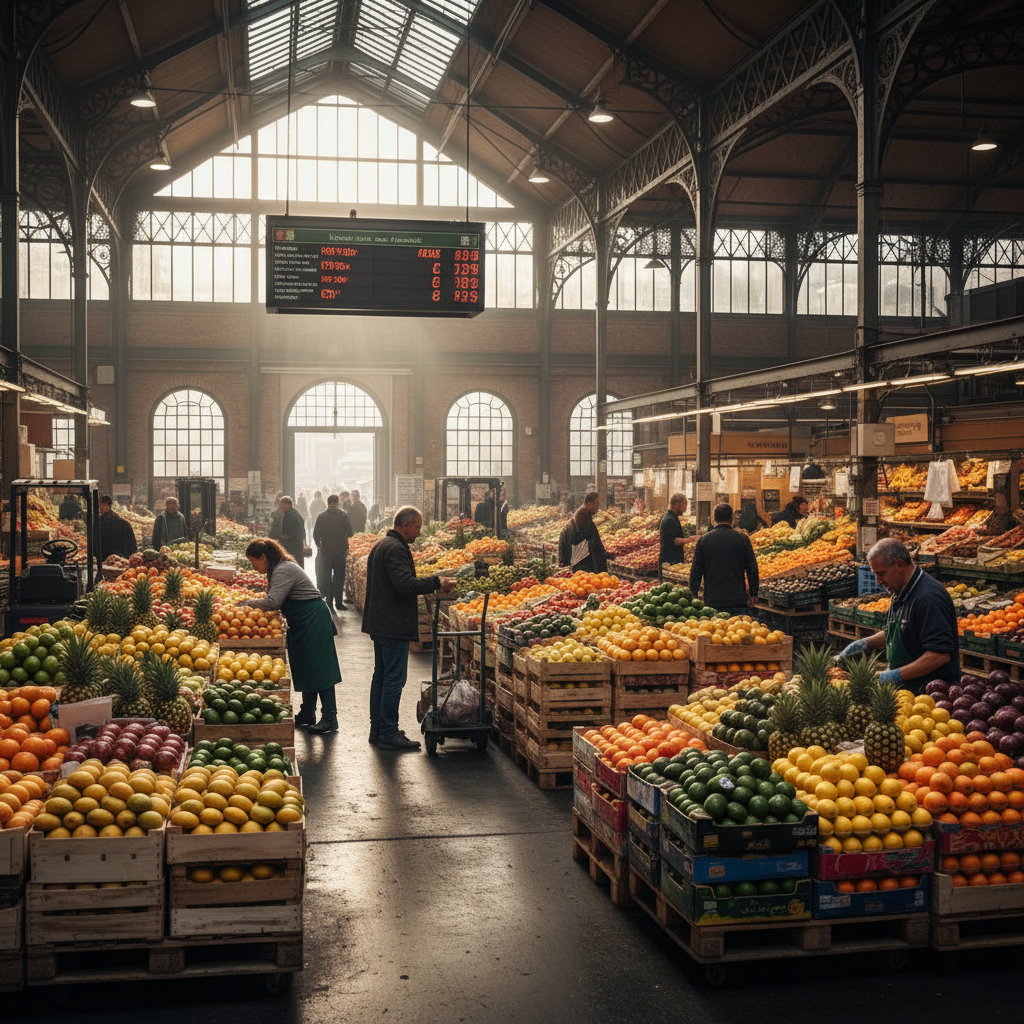
As winter sets in across the continent and holiday menus take shape, the Europe fruits and vegetables market is quietly powering a fresh wave of growth. Valued at USD 224.28 billion in 2024 and projected to reach USD 314.54 billion by 2033, the category is on track for roughly 3.8% CAGR—steady, resilient expansion driven by health-focused consumers, convenience-led formats, and a premium shift in fresh and frozen assortments.
For growers, importers, retailers, and foodservice leaders—especially those working with tropical fruits—the next eight years are a chance to capture outsized value. This article translates the headline forecast into practical strategies you can act on now: where demand is expanding, how to de-risk supply, and what it takes to win at retail and foodservice in 2026 planning cycles and beyond.
Below, we unpack the drivers behind the Europe fruits and vegetables market, spotlight the fastest-growing tropical fruit opportunities, and share a go-to-market playbook to convert consumer enthusiasm into measurable growth and margin.
Market at a glance: growth drivers through 2033
A durable growth runway
- Market size: USD 224.28B (2024) to USD 314.54B (2033)
- Implied CAGR: ~3.8%
- Key accelerators: wellness and immunity, convenience, premiumization, and year-round availability through imports and cold-chain investments
Consumer behavior shifts boosting produce
- Health and wellness: Consumers continue to prioritize nutrient-dense, minimally processed foods. Fresh, frozen, and cold-pressed lines benefit.
- Convenience: Cut fruit, ready-to-eat packs, and ripeness-guaranteed SKUs (e.g., “ready-to-eat” avocado, ripe mango) are taking share.
- Value bifurcation: Price-sensitive households trade into discounters and private label, while affluent buyers pay for organic, sustainable, and exotic varieties.
Channel dynamics to watch
- Grocery and discounters: Private label innovation expands into premium tropicals and functional blends.
- E-commerce and quick commerce: Basket top-ups for fresh produce, smoothie kits, and party platters rise during winter holidays and January wellness resets.
- Foodservice: Tourism and urban dining rebound continue, fueling demand for consistent, ripeness-managed tropicals and specialty veg.
Tropical fruits: the fast-growing slice of European produce
Tropical fruits sit at the intersection of flavor exploration and wellness, making them one of the most dynamic subcategories within the European produce market.
Why tropicals are outperforming
- Versatility: Fresh snacking, breakfast bowls, desserts, mocktails/cocktails, and plant-forward mains.
- Functional halo: Vitamin C (pineapple), potassium (banana), healthy fats and fiber (avocado), antioxidants (mango, papaya, passion fruit), hydration (coconut).
- Experience-led retail: Colorful displays, seasonal pairings (citrus + mango for winter salads), and in-store sampling lift conversion.
Formats gaining traction
- Fresh, ripeness-managed: Avocados, mangoes, and papayas with consistent ripeness windows.
- Frozen: Smoothie cubes, tropical blends (mango–pineapple–passion fruit) for home mixers.
- Dried and ambient: Snackable mango/pineapple bites, coconut chips for on-the-go.
- Cold-pressed and HPP: Tropical juice shots and blends catering to immunity and recovery.
Practical SKU ideas for Q1-Q2 2026 resets
- “Ready-to-Blend Tropical Smoothie Kits” in 3–5 serving pouches
- “Ripeness-Guaranteed” mango two-packs with color-coded maturity indicators
- Tropical salad toppers: pineapple-papaya cubes with chili-lime seasoning
- Premium fruit platters for holidays and spring celebrations
Supply, logistics, and compliance: building a resilient tropical pipeline
Delivering tropicals profitably in Europe is as much about execution as it is about demand.
Cold chain and ripening excellence
- Pre-cool and pack-at-origin to extend shelf life and reduce shrink.
- Invest in ethylene-controlled ripening rooms for bananas, avocados, and mangoes.
- Use data-driven ripeness scheduling to align deliveries with promotional calendars and weather-driven demand spikes.
Sourcing diversification and seasonality
- Hedge climate and crop-risk by balancing origins across Latin America, Africa, and Mediterranean suppliers for shoulder seasons.
- Forward-book capacity around high-demand periods: December holidays, early spring entertaining, and January wellness resets.
Quality and compliance fundamentals
- Meet stringent EU residue and food safety standards; align with retailer specs early in the season.
- Traceability and sustainability: clear chain-of-custody documentation, water stewardship practices, and reduced-plastic or recyclable packaging options.
- Post-harvest handling: consistent Brix and dry matter targets for mango and avocado; standardized sizing for efficient case packs.
Where growth meets margin: opportunities by channel
Retail: private label and premium experience
- Private label tropicals can offer value without sacrificing quality—think curated “Tropical Discovery” packs.
- Seasonal storytelling: pair citrus, pomegranates, and tropicals in winter; berries and tropicals in spring.
- Data-led assortment: inventory velocity analysis to optimize the split between fresh and frozen, reducing waste while protecting availability.
Foodservice: menu innovation and consistency
- Dessert innovation: pineapple carpaccio, mango pavlova, coconut panna cotta.
- Beverages: passion fruit spritzers, zero-proof cocktails, functional smoothies.
- Back-of-house wins: pre-cut, ripeness-standardized fruit reduces prep time and variability across multi-unit operators.
Processing and manufacturing: value-add stability
- Frozen and HPP lines extend seasonality and cushion fresh supply swings.
- Clean-label blends (e.g., mango–coconut–banana) align with short-ingredient trends.
- Co-man partnerships to localize finishing steps, trimming logistics costs and improving freshness perception.
A practical playbook for 2026 planning (start now)
For exporters and growers of tropical fruits
- Portfolio mapping: Prioritize SKUs with consistent ripeness, high repeat purchase, and strong margin—mango, avocado, pineapple, passion fruit.
- Certification roadmap: Align with EU retailer requirements on safety and sustainability; audit residue management well ahead of ship dates.
- Post-harvest investments: Dry matter testing for avocados, controlled-atmosphere shipping trials for mango and pineapple.
- Packaging optimization: Shift to recyclable trays, minimal plastic bands, and clear ripeness guidance on-pack.
- Demand calendars: Lock in volumes around December holidays and Q1 wellness campaigns; coordinate promotions with buyers 8–12 weeks out.
For European buyers and category managers
- Assortment tiers: Value (private label), core branded, and premium exotics—engineer trade-up paths.
- Fresh–frozen balance: Use frozen tropicals to backstop promotions and reduce shrink during weather volatility.
- Supplier diversification: At least two origins and two partners per key SKU to mitigate climate and logistics risk.
- In-store experience: Sampling, recipe cards, and QR-free on-pack tips (keep it simple) to boost conversion.
- KPI focus: Waste rate, on-shelf availability during promos, ripeness complaint rate, and contribution margin per linear meter.
Forecast scenarios to guide investment
- Baseline: Category CAGR ~3.8% through 2033; tropicals grow 5–7% with steady supply.
- Upside: Strong wellness and convenience tailwinds push tropicals to 7–9% CAGR, led by frozen blends and ripeness-managed fresh.
- Risk case: Weather or logistics disruptions cap tropical growth at 3–4%; diversified sourcing and frozen back-up preserve sales.
Tip: Treat fresh and frozen tropicals as a single strategic portfolio. Use frozen to protect promotions and maintain shelf presence when fresh supply tightens.
What this means for your 2026–2033 strategy
- The Europe fruits and vegetables market will keep expanding, but value capture will concentrate where execution is strongest—ripeness, cold chain, and compliant, traceable supply.
- Tropicals are the growth engine. Consumers want flavor, familiarity, and function; ready-to-eat and ready-to-blend formats deliver all three.
- Retailers and foodservice operators that blend premium experience with reliable availability will outperform peers on both sales and shrink.
As you finalize 2026 plans, pressure-test your sourcing diversity, ripeness management, and seasonal promotion map. Teams that act now will enter January’s wellness cycle with a sharper assortment and better margins—and be well-positioned to ride the 2025 holiday momentum into spring.
Ready to turn this outlook into a concrete plan? Request a tailored roadmap for tropicals—assortment, sourcing, and launch calendars—built on your targets and constraints.
In short, the Europe fruits and vegetables market offers a multi-year growth runway; tropical fruits, when executed with ripeness and compliance excellence, are your fastest route to share and margin gains through 2033.