F2 Citrange Winter Hardiness: Grow Citrus in the Cold
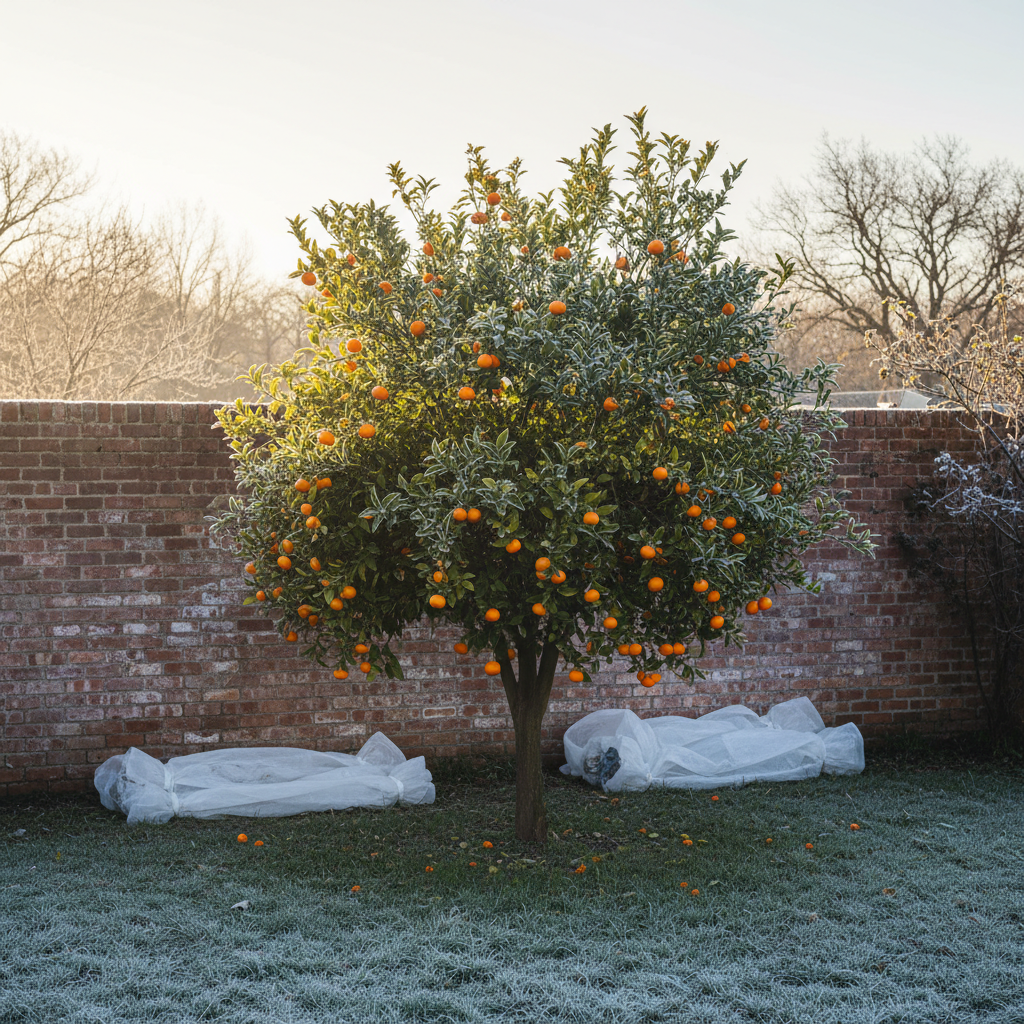
As winter edges in across much of the Northern Hemisphere, many growers assume citrus season is over—unless you live in the subtropics. But the latest F2 citrange winter hardiness trials are rewriting that playbook. With careful selection, even miniaturized trees with surprisingly tough constitutions are showing promise in borderline climates.
This matters for anyone who dreams of harvesting truly tropical flavors—zesty, floral, vitamin-rich fruit—without moving to a warmer zone. In this guide, we’ll unpack what F2 citrange is, how winter hardiness is evaluated, and the practical steps to plant, protect, and even breed your own cold-hardy citrus suited to your backyard. You’ll also get a November-ready winterization checklist you can put to work this week.
If you’re new to hardy citrus, start here: F2 citrange combines the aromatic appeal of sweet orange with the rugged resilience of trifoliate orange. The result can be a compact, remarkably cold-leaning citrus that opens a path to growing “tropical fruit” in places where snow is normal.
What Exactly Is an F2 Citrange—and Why It’s Exciting
Citrange is a hybrid between sweet orange (Citrus sinensis) and trifoliate orange (Poncirus trifoliata). The trifoliate parent brings cold hardiness; the sweet orange contributes flavor. The “F2” indicates the second filial generation—seedlings derived from an F1 parent. In simple terms, it’s where genetic variation really shows up.
Why F2 matters
- Greater variation: The F2 population displays a broader range of traits—hardiness, fruit size, flavor, dwarfing—making it a treasure trove for selection.
- Dwarfing potential: Some lines present “miniaturized” growth—tree, leaves, flowers, and fruit—all scaled down. That’s ideal for container culture and tight urban spaces.
- Home-breeder friendly: Citrus often produces nucellar (clonal) seeds, but within citrange populations you can find zygotic seedlings with new trait combinations—great for selecting hardy types.
A quick note on hardiness
Trifoliate orange is among the hardiest citrus relatives; citrange inherits part of that toughness. In recent observations, certain miniaturized F2 trees endure significant cold, though slightly less than some benchmark hardy selections (for example, Conestoga lines 006, 010, and 026). Translation: these F2s are “close” and, with protection, viable for many Zone 7b–8a sites.Pro tip: In citrus, wood can survive colder temperatures than flowers or fruit. When evaluating winter hardiness, score the tree separately for wood, buds, and fruit.
How Winter Hardiness Is Evaluated in Citrange
Hardiness isn’t a single number—it’s a set of thresholds and recovery responses.
Key measures
- LT50 (lethal temperature for 50% of tissue): Practical for comparing scions and rootstocks.
- Defoliation and dieback scoring: Rate leaf loss and stem dieback after freeze events.
- Bud survival: Flower and vegetative buds are weaker links; track their survival after cold snaps.
- Recovery pace: Time to push new growth in spring is a strong indicator of underlying resilience.
Field benchmarks for growers
- USDA Zones 7b–8a: F2 citrange can be grown with seasonal protection, especially in sheltered microclimates.
- USDA Zones 8b–9a: In-ground plantings become much more practical; brief, radiational freezes remain the main risk.
- Containers: A proven strategy north of Zone 8—roll into shelter during deep cold, return outdoors with sun.
Microclimate multipliers
- South-facing walls radiate warmth overnight.
- High, well-drained sites avoid cold pooling.
- Windbreaks moderate desiccation during Arctic blasts.
- Reflective mulch improves soil heat capture.
From Bench to Backyard: A Practical Hardy Citrus Plan
Want a reliable path to fruit? Combine genetics, rootstock choice, and management.
Choose your plant material
- Scions: Look for citrange or citrange–Poncirus hybrids noted for wood hardiness and acceptable flavor. Miniaturized F2s are excellent for container growers.
- Rootstocks: Poncirus trifoliata (including ‘Flying Dragon’) delivers hardiness and dwarfing; hybrids like US-852 or C-35 balance vigor and resilience.
Planting and nutrition
- Timing: In cold-winter regions, plant in spring after frost danger passes to maximize establishment before first freeze.
- Soil: Fast-draining media is non-negotiable. Raised beds or mounds shed water and cold.
- Fertility: Emphasize balanced nutrition. Curtail high nitrogen by late summer; shift to potassium to help harden tissues for winter.
Water and canopy management
- Water deeply but infrequently; never waterlog roots in winter.
- Prune lightly. Maintain a compact canopy that can be fully covered during freeze events.
Winter protection toolkit
- Frost cloth or breathable row cover (avoid plastic contact with leaves).
- Trunk wraps and insulating mulch over the root zone.
- Temporary frames or mini-hoop structures for rapid deployment.
- Heat sources for acute cold: incandescent strands or a thermostatic soil cable under cover.
Trial It Like a Pro: Your Home Citrus Hardiness Scorecard
Documenting your trees’ responses accelerates selection.
What to track
- Minimum temperature (add a min–max thermometer at canopy height).
- Wind conditions (wind plus cold greatly increases stress).
- Defoliation percentage at 7 and 21 days post-freeze.
- Stem dieback length on the current year’s wood.
- Bud survival (flower vs vegetative) in spring.
- First flush date and vigor rating after winter.
How to compare
- Record by cultivar, rootstock, planting location, and protection used.
- Score wood, buds, and fruit separately.
- After 2–3 winters, you’ll pinpoint the lines and locations that consistently win.
Seed extraction and selection basics
Working with seed this season? You may find that miniaturized F2 trees also produce small fruit and seeds—handy for dense plantings and pot culture.- Extract seeds from fully mature fruit and rinse cleanly to reduce fungal issues.
- Sow fresh in a warm, bright spot; bottom heat speeds germination.
- Expect a mix of nucellar (clonal) and zygotic (new) seedlings. Look for outliers—leaf shape, growth habit, thorniness, and early cold tolerance can signal zygotic variation worth keeping.
Flavor, Use, and Expectations for F2 Citrange Fruit
Cold-hardy citrus hybrids can surprise you. Some F2 citrange fruit will be tart, resinous, or bitter; others lean more toward classic orange notes.
Make the most of the harvest
- Marmalades and chutneys: Bitter-edge fruit shines here.
- Syrups and shrubs: Balance with sugar and acid for cocktails and spritzers.
- Zest and bitters: Aromatic peels infuse oils and tinctures beautifully.
- Blends: Mix juice with sweeter citrus to round out flavor for fresh use.
Don’t be discouraged by small fruit on miniaturized selections. High fruit counts mean plenty of culinary opportunity—especially in winter when bright flavors lift seasonal dishes.
A 7-Day Winterization Sprint (Perfect for Late November)
If a cold snap is in the forecast, use this quick plan for F2 citrange winter hardiness success:
- Day 1: Inspect trees; remove weak, shading, or crossing twigs; clear weeds at the base.
- Day 2: Top-dress with a potassium-forward fertilizer; stop nitrogen.
- Day 3: Lay fresh mulch over root zones; keep it off the trunk.
- Day 4: Install stakes/frames for frost cloth; measure covers now.
- Day 5: Wrap trunks with breathable material; add a thermometer.
- Day 6: Test-fit covers; seal edges in expected wind direction.
- Day 7: Water the day before a freeze (moist soil buffers temperature), then deploy covers at dusk.
Bringing It All Together
F2 citrange winter hardiness is no longer a curiosity—it’s a practical doorway to growing “tropical” citrus across Zones 7–9. With smart cultivar choices, tough rootstocks, deliberate site design, and a dependable protection plan, you can harvest aromatic, vitamin-packed fruit where few thought possible.
Ready to push your climate line? Request our Cold-Hardy Citrus Starter Kit—checklists, a rootstock–scion pairing guide, and a winter-protection worksheet—to move from experiments to reliable yields.
This winter, let the boldness of F2 citrange winter hardiness guide your next planting. Which tree will become your backyard’s most resilient producer?