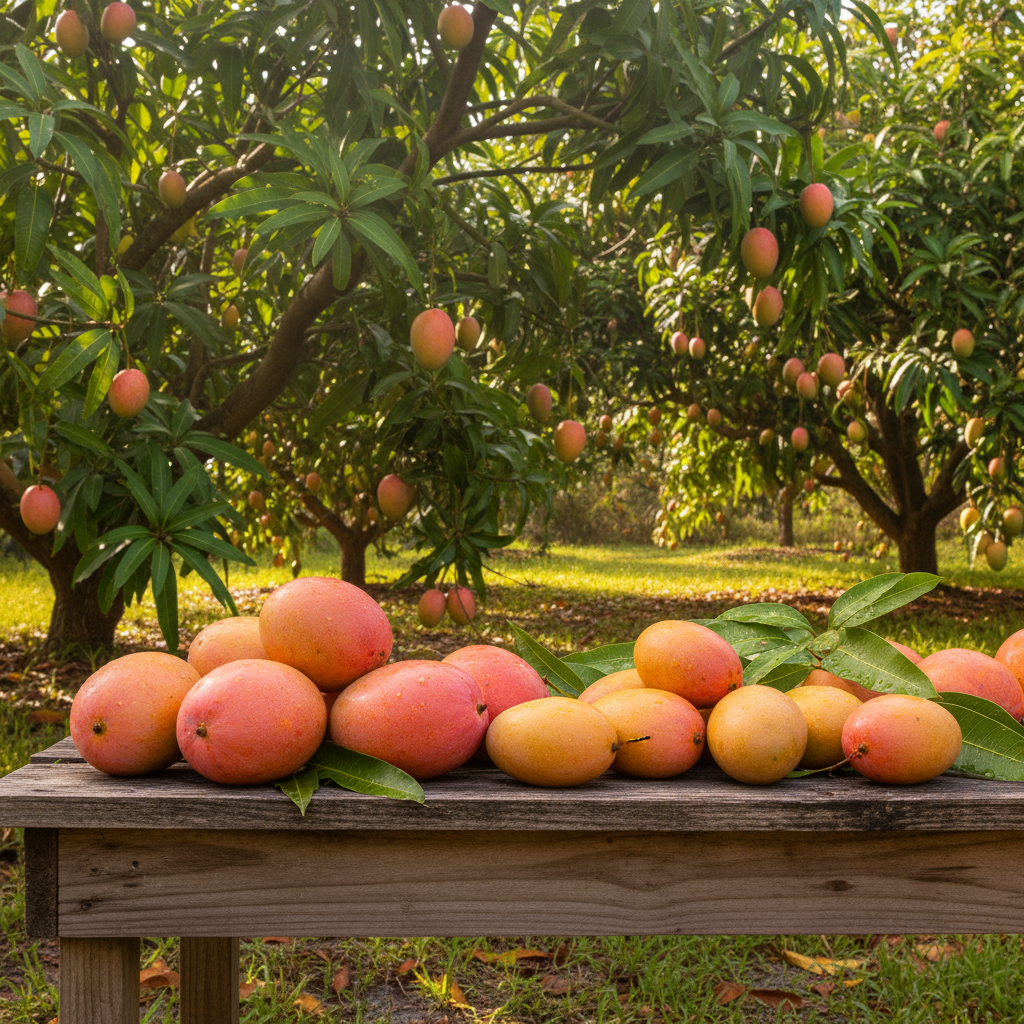
If you’ve ever wandered through a natural history museum and paused at a global fruit exhibit, you’ve likely seen mango names you don’t recognize. That happened recently with FL mangos Mulgoba and Amiri—two heritage varieties that spark curiosity yet rarely appear in modern garden centers or grocery shelves. For Florida growers, chefs, and fruit enthusiasts, these names open a door to the living history of mangos—and to flavors you won’t soon forget.
This guide unpacks who “Mulgoba” and “Amiri” are, why they matter to Florida’s mango story, what they taste like, and how to grow or source them today. Whether you’re planning your 2026 home orchard this winter or refining a holiday menu with tropical flair, you’ll find practical insights and next steps to bring these heirloom mangos from museum glass to your backyard or kitchen.
What Are “Mulgoba” and “Amiri” Mangos?
Mango names can be slippery. Regional naming, transliteration, and lookalike seedlings often create multiple spellings and identities. That’s part of the intrigue—and the challenge—when you encounter varieties like “Mulgoba” and “Amiri.”
Mulgoba at a glance
- Heritage: Historically linked to India; introduced to Florida in the late 19th–early 20th century.
- Reputation: Celebrated for rich, aromatic flavor and low fiber when well grown.
- Historical significance: Often credited in Florida mango lore as a key ancestor in the state’s early breeding story. Even where historians debate exact parentage, “Mulgoba” represents the pivotal Indian-type flavor profile that helped shape Florida’s early mango boom.
Amiri at a glance
- Heritage: Reported in regional collections beyond South Asia, with naming variants (you may see “Amiri,” “Amri,” or similar). Exact lineage can vary by source.
- Reputation: Typically described as honeyed and aromatic, medium-sized fruit with a classic mango perfume.
- Availability: Far less common in Florida nurseries, which is why many enthusiasts have never tasted it.
Why you haven’t heard of them
Modern Florida markets lean into newer, highly productive cultivars with disease tolerance and consistent bearing. Heritage mangos can be shy producers in humid years or inconsistent in fruit set, which pushed them out of mainstream commerce. Yet for collectors and flavor-focused growers, they remain compelling.Why These Heritage Mangos Matter in Florida
They’re part of the Florida mango origin story
Florida’s mango culture grew from a small set of imported Indian and Southeast Asian types that sparked decades of local selection. “Mulgoba,” in particular, is woven into that narrative. Whether regarded as a direct parent or a flavor archetype, it helped set the standard for the rich, resinous, low-fiber experience that many Florida growers still chase.Flavor diversity = resilience and inspiration
Maintaining a broader palette of mangos—beyond the top ten commercial hits—strengthens local diversity. Heritage trees add:- Unique aromatic profiles for chefs and home cooks
- Pollen and genetic variability in mixed plantings
- A living archive for breeders exploring disease tolerance, bloom timing, and texture
Seasonal and culinary relevance right now
November in Florida is planning season. While trees rest and nights cool, growers map out spring plantings, and chefs plan holiday menus. Heritage mango purées, frozen cubes, or dried slices can anchor festive dishes through winter while you plan (or pre-order) trees for the year ahead.Flavor Profiles, Seasonality, and Kitchen Uses
Tasting notes
- Mulgoba: Often described as intensely aromatic with a deep, “classic Indian” mango essence—think floral, spicy, and resinous overtones with very low fiber when properly ripened. Flesh tends toward deep yellow to orange, with a custardy texture.
- Amiri: Frequently characterized as honey-sweet with a rounded perfume, mild acidity, and a clean finish. Texture ranges from low to moderate fiber depending on the specific selection and growing conditions.
Flavor can shift with humidity, canopy density, and ripening practices. Heritage mangos particularly reward careful ripening off the tree in a shaded, ventilated spot.
Seasonality in Florida
- Bloom: Typically winter into early spring (varies by microclimate).
- Harvest window: Late spring through summer, depending on cultivar and location.
- Pro tip: A drier winter/spring favors clean bloom and fruit set, especially in anthracnose-prone varieties.
Kitchen applications
- Sweet: Cheesecakes, panna cotta, pavlova, ice creams, semifreddo, mango mousse, tres leches with mango layer, holiday trifles.
- Savory: Spiced mango chutney, salsa for fish or turkey leftovers, mango-coconut curry, mango-lime glaze for roasted vegetables.
- Beverage: Lassi, shrub syrups, seasonal mocktails with ginger and lime.
Actionable tip: For heritage mangos, highlight the aroma. Avoid excessive heat; use gentle reductions or fold fresh purée into chilled desserts to preserve perfume.
How to Grow Them in Florida: A Practical Guide
Site and soil
- Sun: Full sun (8+ hours) for best flowering and sugar accumulation.
- Soil: Well-drained; slightly acidic to neutral is fine. Avoid low spots that hold water.
- Spacing: 15–20 ft for a single tree; 10–12 ft if you plan to maintain with annual pruning.
Planting calendar (November vantage point)
- Now through winter: Plan, pre-order, and prepare sites. In Central Florida, be ready to protect from freezes.
- Late winter to spring: Plant once danger of frost passes and soil warms.
- Summer: Establish irrigation rhythm and mulch; avoid heavy nitrogen late in the season to prevent soft growth before hurricane winds.
Canopy management
- Keep trees 10–12 ft with selective, frequent cuts rather than hard annual chops.
- Open the center for airflow to reduce anthracnose pressure.
- Tip-prune after harvest to stimulate balanced branching without pushing late-season flushes.
Water and nutrition
- Water deeply, then allow soil to dry slightly between irrigations.
- Light, balanced nutrition is better than heavy feeding. Over-fertilization can reduce flavor and increase disease.
- Incorporate micronutrients (e.g., magnesium, zinc) if leaf analysis or visible deficiency suggests it.
Disease and bloom care
- Anthracnose and powdery mildew are the big two in humid zones.
- Cultural tactics: Airy canopy, morning sun exposure, avoid overhead irrigation at dusk.
- Bloom timing is critical. Dry, breezy periods favor clean sets—use microclimates (south-facing walls, lake breezes) to your advantage.
Variety-specific notes
- Mulgoba: Can be inconsistent in yield in humid years; excels in sites with great airflow and a relatively dry bloom. Often best as a collector tree or for flavor-driven growers who can accept variability.
- Amiri: Seldom grown in Florida; approach as a trial or collector’s planting. Many growers topwork a vigorous, proven rootstock with a scion to evaluate performance over 2–3 seasons.
Smart Sourcing: Finding Authentic Trees and Budwood
Heritage mango names travel with stories—and sometimes with mix-ups. If you’re shopping for Mulgoba or Amiri, do a little due diligence.
A quick sourcing checklist
- Ask the seller about the tree’s origin: scion source, year, and parent tree location.
- Confirm the growth habit and fruit description match expectations (shape, color at maturity, fiber level, aroma).
- Request photos of fruit at multiple stages if available.
- Prefer grafted trees from reputable nurseries; seedlings can drift from the named type.
- If you’re a hobby grafter, obtain labeled budwood from a documented source and topwork onto a sturdy rootstock (Turpentine-type rootstocks are common in Florida for vigor and wind tolerance).
Trial before you scale
- Plant one tree or topwork one limb first.
- Keep detailed notes on bloom timing, disease pressure, fruit set, and flavor.
- Compare against a known performer on your property to isolate site effects.
For chefs and specialty buyers
- Coordinate with local growers during summer harvest for heritage tastings.
- Freeze purée at peak ripeness for winter menus; log brix, acid balance, and pairings.
Pro move: If you already maintain a mixed mango canopy, topwork a single scaffold branch with “Mulgoba” or “Amiri.” You’ll evaluate fruit within 1–2 seasons without dedicating full space.
Planning Your Next Steps (Lead-Friendly Checklist)
If you’re reading this in November, you’re right on time to plan for spring.
- Define your goal: flavor collection, family fruit, or chef-driven supply.
- Shortlist 3–5 cultivars, including one heritage option (e.g., Mulgoba or Amiri) and 2–3 reliable producers.
- Map microclimates: wind corridors, frost pockets, morning sun.
- Prepare planting sites: drainage check, mulch ring, irrigation line.
- Schedule a 15-minute cultivar consult to validate your plan and rootstock choices.
- Create a ripening and processing plan for next summer (purée, freeze, dehydrate) to extend value into the holidays.
Conclusion
Mango history isn’t just in books and museum cases—it’s alive in backyards across Florida. FL mangos Mulgoba and Amiri capture that living heritage with heady aromatics and stories that shaped today’s favorites. While they may demand more care and some trial-and-error, the flavor payoff and cultural value are hard to beat.
Ready to bring these heirloom profiles into your 2026 season? Use the checklist above to plan plantings, request grafted trees or budwood, and set up a tasting strategy. If you’d like personalized guidance, reach out for a quick cultivar planning session. Which heritage mango will you revive next—Mulgoba, Amiri, or both?