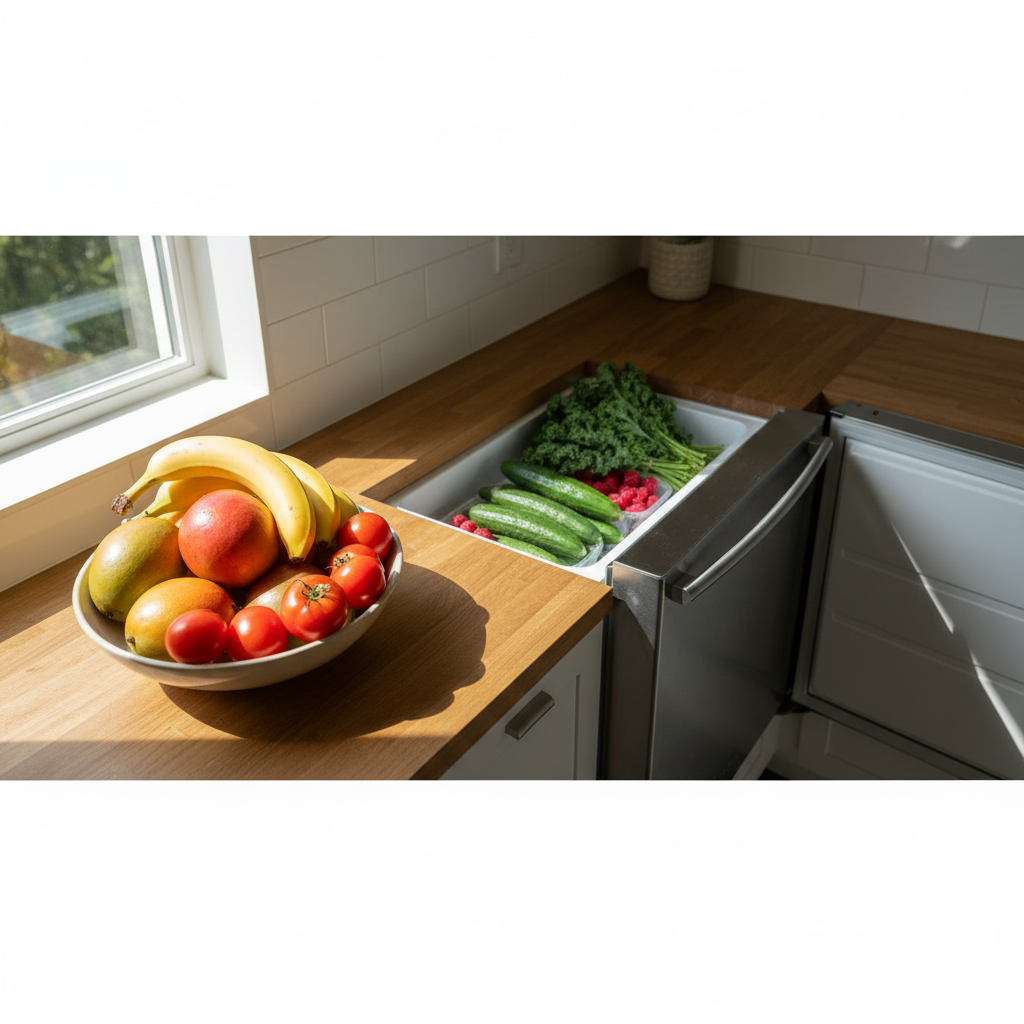
As holiday gatherings ramp up and tropical fruit platters brighten cooler days, the fastest way to waste money—and flavor—is letting produce spoil before you serve it. One simple fix can add days to your fruits and veggies: learn the fruits and vegetables you should never store together. That single shift helps you curb waste, keep textures crisp, and protect the vibrant taste you bought them for.
Most premature spoilage comes down to a natural plant hormone called ethylene. Some items exhale lots of it; others are extremely sensitive to it. Store them side-by-side and you accelerate ripening, softening, yellowing, and off-flavors. Below, you’ll get a clear, practical guide to separating key culprits, with special attention to tropical fruits popular this time of year.
Why some produce spoils faster together
Produce is alive even after harvest. Many fruits release ethylene gas, which signals neighboring produce to ripen. That’s great when you want to speed up an avocado for guacamole—but disastrous when delicate greens or cucumbers are trapped in the same drawer.
Temperature and humidity matter, too. Cooler temps slow respiration and ripening in most items, but some tropicals suffer “chilling injury” in a cold fridge. Humidity controls moisture loss: too dry, and leaves wilt; too humid, and mold takes over.
The result: smart storage isn’t one-size-fits-all. It’s about pairing (and separating) by ethylene behavior and using the right spot—counter, pantry, or the correct fridge drawer.
Ethylene 101: Producers vs. sensitive foods
High ethylene producers
- Bananas (especially very ripe)
- Apples and pears
- Avocados (once mature/softening)
- Mangoes, peaches, nectarines, plums, apricots, kiwifruit
- Tomatoes
Ethylene-sensitive items
- Leafy greens (spinach, lettuce, arugula, kale)
- Broccoli, cauliflower, Brussels sprouts
- Cucumbers, zucchini, summer squash
- Carrots, green beans, asparagus
- Berries and fresh herbs
- Potatoes and sweet potatoes
- Tropical sensitive: pineapple, papaya (once ripe), dragon fruit
Low ethylene/less sensitive
- Citrus (oranges, lemons, limes, grapefruit)
- Pomegranates
- Garlic and most winter squash (store away from moisture and light)
Note: Sensitivity can change as fruit ripens. For example, avocados are sensitive when unripe but become moderate producers as they soften.
Pairs you should never store together
Keeping these apart prevents rapid wilting, yellowing, or strange flavors. Use this as your “do not cohabitate” shortlist.
Everyday high-risk pairs
- Apples or pears + leafy greens: Ethylene from fruit quickly wilts greens and ruins crispness.
- Apples + carrots: Carrots develop bitterness when exposed to ethylene for days.
- Tomatoes + cucumbers: Cucumbers yellow and soften; keep cucumbers away from any strong ethylene source.
- Bananas + berries: Berries spoil faster with ethylene exposure; store berries dry and cold, bananas at room temp.
- Avocados (unripe) + bananas: Unless you want faster ripening, keep these apart. Bananas can soften avocados overnight.
- Broccoli/cauliflower + apples/pears: Sulfur notes intensify and florets yellow rapidly.
- Onions + potatoes: Not an ethylene issue, but the combo drives moisture and sprouting; store each in a cool, dark, ventilated spot—separately.
Tropical fruit watch-outs
- Bananas + anything delicate: Bananas are ethylene powerhouses; give them their own fruit bowl.
- Mangoes + greens or cucumbers: Separate to avoid yellowing and limp textures.
- Pineapple + ethylene producers: Pineapple doesn’t meaningfully ripen after harvest and can deteriorate faster near heavy producers; keep it separate.
- Papaya (ripening) + berries/herbs: Ethylene speeds spoilage of tender items; keep papaya on the counter away from fragiles.
Pro move: Create a dedicated “ripening zone” on your counter for ethylene producers and a “fresh-crisp zone” in the fridge for sensitive items.
The fridge storage playbook that actually works
Use the humidity drawers correctly
Most fridges have two crispers with sliders:- Low humidity drawer (open vent) = ethylene escape. Ideal for apples, pears, mangoes, ripe avocados, stone fruit, tomatoes you’ve decided to chill, and citrus.
- High humidity drawer (closed vent) = moisture retention. Ideal for leafy greens, herbs (wrapped), broccoli, cucumbers, carrots, beans, and berries.
Label the drawers “Low: Fruit/Ripening” and “High: Greens/Crisp.” This tiny change prevents the classic mistake of trapping greens with fruit in the wrong drawer.
Fridge vs. counter vs. pantry
- Counter, room temp: Bananas, mangoes, papaya, avocados (to ripen), tomatoes (until ripe), pineapple (short-term), citrus (short-term), dragon fruit. Keep out of direct sun.
- Refrigerate when ripe or cut: Berries, grapes, leafy greens, broccoli, cucumbers (front of fridge to avoid chill injury), herbs, ripe avocados (to hold), mango slices, cut pineapple/papaya.
- Cool, dark pantry: Potatoes, sweet potatoes, onions, winter squash, garlic—stored separately and ventilated.
Packaging that preserves
- Paper towels + clamshells: Line berry containers to absorb moisture; don’t wash until just before eating.
- Perforated produce bags: Allow airflow while retaining humidity—great for greens and herbs.
- Paper bags: Trap some ethylene to speed ripening when you want it (e.g., avocado + apple), but keep the bag out of the crisper with greens.
- Herb care: Tender herbs (cilantro, parsley) in a jar with a little water, covered loosely; woody herbs (rosemary, thyme) wrapped in a slightly damp towel inside a bag.
When to store together on purpose
Sometimes you want to accelerate ripening before a big meal or fruit board.
- Soften avocados quickly: Place with a banana or apple in a paper bag on the counter; check daily.
- Ripen mangoes: Paper bag with a ripe apple speeds things up for weekend smoothies.
- Ripen kiwifruit or pears: Same paper-bag method with an apple or banana.
Just remember to break them up once ripe so you don’t tip from perfect to mushy overnight.
Quick-reference “keep apart” list
If you only remember one thing, make it this: separate heavy ethylene producers from delicate, ethylene-sensitive items.
- Keep apart: apples, pears, bananas, mangoes, tomatoes, stone fruit, ripe avocados
- From: leafy greens, herbs, broccoli/cauliflower, cucumbers/zucchini, carrots, berries, potatoes, pineapple
- Also separate: onions from potatoes; bananas from berries; tropical fruit from salad greens
Seasonal tips for right now
- Holiday prep without waste: Chop sturdier veg (carrots, broccoli) 2–3 days ahead and stash in high humidity; keep salad greens sealed and dry until the day-of. Store your fruit centerpiece components in separate zones until assembly.
- Tropical fruit boards: Keep bananas and mangoes on a separate counter from berries and mint. Slice pineapple day-of and refrigerate in an airtight container with a dry paper towel.
- Fewer grocery runs: Plan a ripen-eat timeline—buy a mix of ready-to-eat and still-firm fruits so something is always at peak without crowding the same drawer.
Lead magnet: Want a one-page Tropical Produce Storage Cheat Sheet? Get the free guide—perfect for your fridge door.
Your weekend action plan
- Empty your crispers. Wipe them dry.
- Label drawers: “Low humidity—Fruit/Ripening” and “High humidity—Greens/Crisp.”
- Create two zones on your counter: “Ripening” (bananas, mangoes, avocados) and “Ready” (citrus, pomegranates).
- Relocate delicate items (greens, broccoli, cucumbers, berries) to the high-humidity drawer—away from apples, pears, tomatoes.
- Separate onions and potatoes into different ventilated bins in a cool, dark place.
- Make a “use first” basket for anything already softening.
Small changes here extend freshness by days, sometimes a week—saving money and reducing food waste.
The bottom line
The science is simple: keep ethylene producers away from ethylene-sensitive foods. Mastering the fruits and vegetables you should never store together means crisper salads, sweeter tropical fruit trays, and fewer last-minute store runs during a busy season. Organize your kitchen once, and your produce will thank you all winter long.
Ready to make it effortless? Grab the Tropical Produce Storage Cheat Sheet and set up your drawers today. Your future self—and your fruit platter—will be glad you did.