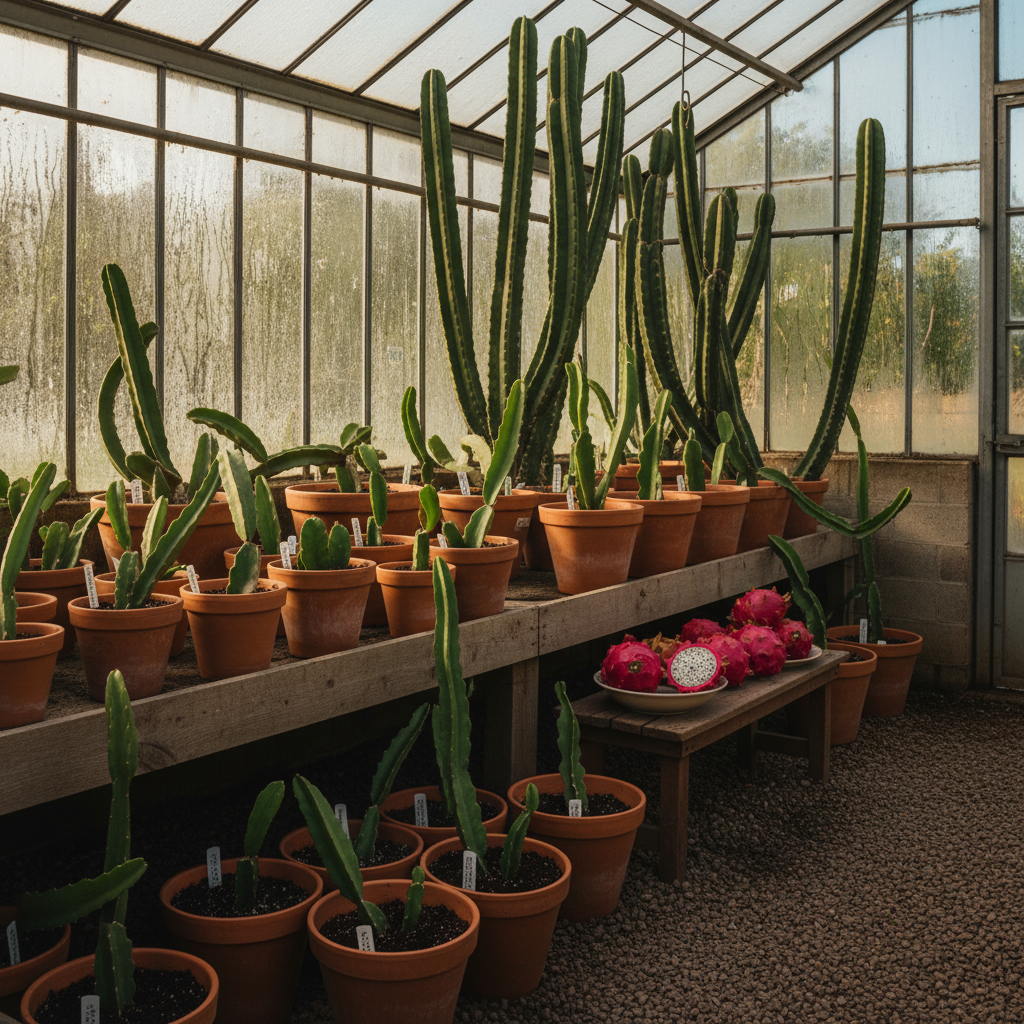
Grow Rainbow Pitaya: Stenocereus Cuttings for 2026
If you’ve been waiting for the right moment to add a cold-tolerant, high-flavor cactus fruit to your edible landscape, this is it. Rainbow pitaya cuttings—often listed as Stenocereus stellatus, also called pitaya de agosto—are available now, and late fall is the perfect time to root them indoors for a strong spring start. In this guide, you’ll learn what makes this species special, how to root and care for it, and how to time your first harvest.
Beyond the buzz, rainbow pitaya cuttings offer practical advantages: fast growth, surprising chill resilience compared to other tropical fruits, and fruit with vibrant color and refreshing, tangy-sweet flavor. Whether you’re a backyard grower, homesteader, or small nursery, the steps below will help you go from cutting to fruit with confidence.
What Is Rainbow Pitaya (Stenocereus stellatus)?
Stenocereus stellatus is a columnar, night-blooming cactus native to seasonally dry regions, prized for its striking magenta-to-ruby fruit. In trade, you may also see it called pitaya de agosto (August pitaya) or, less precisely, xoconostle. While “xoconostle” commonly refers to sour prickly pear in Opuntia, some sellers use the name loosely for Stenocereus. For clarity and best results, buy by the botanical name: Stenocereus stellatus.
This species stands apart from the more familiar dragon fruit (Hylocereus) in several ways:
- Better tolerance of cool nights and brief near-freezing events
- More upright, columnar habit with thicker ribs and heavier spination
- Flavor profile that ranges from berry-bright and tangy to delicately sweet, depending on clone and ripeness
How it performs in home gardens
- Growth rate: Fast under warmth and sun; cuttings can put on substantial height in a single season.
- Containers or in-ground: Thrives in large containers (15–25 gallons) or well-drained raised beds.
- Support: Benefits from a sturdy post or trellis to keep columns upright and fruit accessible.
Tip: If you’ve struggled with dragon fruit in cooler shoulder seasons, Stenocereus stellatus is a compelling, more chill-tolerant alternative.
Why Grow It: Cold Tolerance, Flavor, and Yield
Rainbow pitaya shines where many tropicals stall. While it isn’t a frost-loving plant, healthy specimens can shrug off brief dips near freezing when dry and protected from wind. The payoff is a fruiting cactus that doesn’t demand constant tropical heat to set vigorous growth.
Key advantages
- Cold resilience: Often tolerates short spells around 28–32°F when kept dry; protect from hard or prolonged frost.
- Water-wise: Exceptional drought tolerance once established; ideal for low-input gardens.
- Flavor and color: Vivid magenta flesh with refreshing acidity and berry notes; excellent for fresh eating, agua fresca, sorbets, and preserves.
Yield expectations
Mature plants can set generous flushes of fruit after warm seasons with good light and cross-pollination. Mature cuttings taken from fruiting stock may flower in their first full season under strong sun, proper nutrition, and adequate warmth. Plan for increased production in years two and three as columns thicken and branch.
How to Root Rainbow Pitaya Cuttings (Step-by-Step)
Rooting rainbow pitaya cuttings is straightforward if you respect two principles: impeccable drainage and patience. Follow this sequence for best results.
1) Prepare the cutting
- Select mature, lignified segments 12–18 inches long with well-spaced areoles.
- Identify the growth direction; keep the original tip end up. Mark the top with a dot of wax pencil if needed.
- Allow the cut end to dry and callus for 7–14 days in bright shade with airflow. Thicker cuts often need the full two weeks.
2) Mix the right substrate
Aim for a mineral-rich, fast-draining mix:
- 50% pumice or perlite
- 30% coarse sand or small lava rock
- 20% high-quality compost or a lean cactus mix
Optional: Blend in a small amount of biochar or worm castings to inoculate microbes without making the mix heavy.
3) Pot and stake
- Choose a tall, heavy pot (2–5 gallons to start) with large drainage holes.
- Plant the callused end 2–3 inches deep; gently firm the mix around the base.
- Stake to prevent wobble—movement can shear new root hairs.
4) Watering schedule
- After potting, mist the surface lightly; wait 10–14 days before the first moderate watering.
- Thereafter, water deeply, then let the mix dry thoroughly. Err dry while rooting.
5) Light and temperature
- Root in bright, indirect light for 2–3 weeks, then step up to several hours of direct sun daily.
- Ideal rooting temps: 65–85°F. Keep above 55°F for best metabolism.
6) Feeding
- Begin light feeding once you see new growth or resistance when you tug gently (a sign of roots).
- Use a diluted, balanced fertilizer (e.g., 5-5-5) or organic feed at 25–50% strength monthly during active growth.
Pro move: Dust the callused end with a touch of sulfur powder before planting to discourage rot.
Seasonal Plan for November 2025: From Cutting to Fruit
Timing matters. Rooting rainbow pitaya cuttings now positions you for vigorous spring growth and potential flowers in the warm season.
Late fall (Nov–Dec)
- Callus and pot indoors or in a greenhouse.
- Maintain bright light, minimal water, and good airflow.
- Keep nights above 55°F to accelerate rooting.
Deep winter (Jan–Feb)
- Expect steady root development; keep the mix dry between infrequent waterings.
- If using grow lights, target 12–14 hours/day and raise intensity gradually to avoid stress.
Early spring (Mar–Apr)
- Up-pot once roots circle the container.
- Begin hardening off outdoors after the last frost risk: 60 minutes of sun per day, adding an hour daily for 7–10 days.
Late spring to summer (May–Aug)
- Plant in a final container (15–25 gallons) or fast-draining mound.
- Provide a sturdy post or trellis; tie columns loosely with soft ties.
- Watch for night blooms. Many Stenocereus clones benefit from cross-pollination; plan for at least two genetically distinct plants for reliable fruit set.
Buying Tips and Care After Purchase
Not all cuttings are equal. A well-selected cutting shortens time to fruit and reduces losses during rooting.
What to look for in quality cuttings
- Maturity: Woodier, older segments root reliably and may flower sooner.
- Health: No soft spots, rot, or scale insects; clean, bright areoles.
- Proper callus: A firm, dry end with no discoloration.
- Distinct clones: For improved fruit set, source at least two different clones for cross-pollination.
First 90 days after arrival
- Inspect and clean: Brush off dust; spot-treat any pests with isopropyl alcohol on a cotton swab.
- Callus extension: If the cut looks fresh, extend the callus period a few days.
- Pot with support: Reduce wobble to protect new roots.
- Water discipline: Minimal at first; never let the pot sit in a saucer of water.
Site, soil, and training
- Sun: Full sun to very bright light; in hot interiors, provide afternoon shade.
- Drainage: Elevate containers and avoid water pooling; in-ground, build a berm or raised bed.
- Training: Tie leaders to a central post. As columns branch, prune lower side shoots to keep fruiting wood accessible.
Pollination and harvest
- Flowers: Large, fragrant, night-opening blooms. Many clones are self-incompatible.
- Pollination: Hand-pollinate between clones using a soft brush in the evening or early morning for higher fruit set.
- Harvest: Fruit color deepens and spines loosen as they ripen; allow a gentle twist to release. Expect peak flavor a few days after harvest as acids mellow.
Common issues and fixes
- Soft, dark tissue at the base: Too much water. Unpot, trim to healthy tissue, re-callus, and restart in a drier mix.
- Yellowing in winter: Often light deficit. Increase light gradually; keep roots warm and dry.
- Pests: Scale and mealybugs can hide in areoles. Treat promptly with horticultural oils or targeted spot treatments. Maintain airflow.
Safety note: Wear gloves and eye protection when handling spiny columns.
Ready to Plant? Here’s Your Next Step
Rainbow pitaya cuttings offer a rare combination of drought resilience, cool-night tolerance, and vibrant, marketable fruit. Start rooting now, and you could see flowers and your first fruits as early as the next warm season, especially if you begin with mature, field-hardened segments.
If you’re serious about results, secure at least two distinct clones, set up a sturdy support, and follow the watering discipline outlined above. Ready to grow? Request current availability, bundle multiple cuttings for cross-pollination, and join the list for the next release window so you don’t miss out on prime stock.