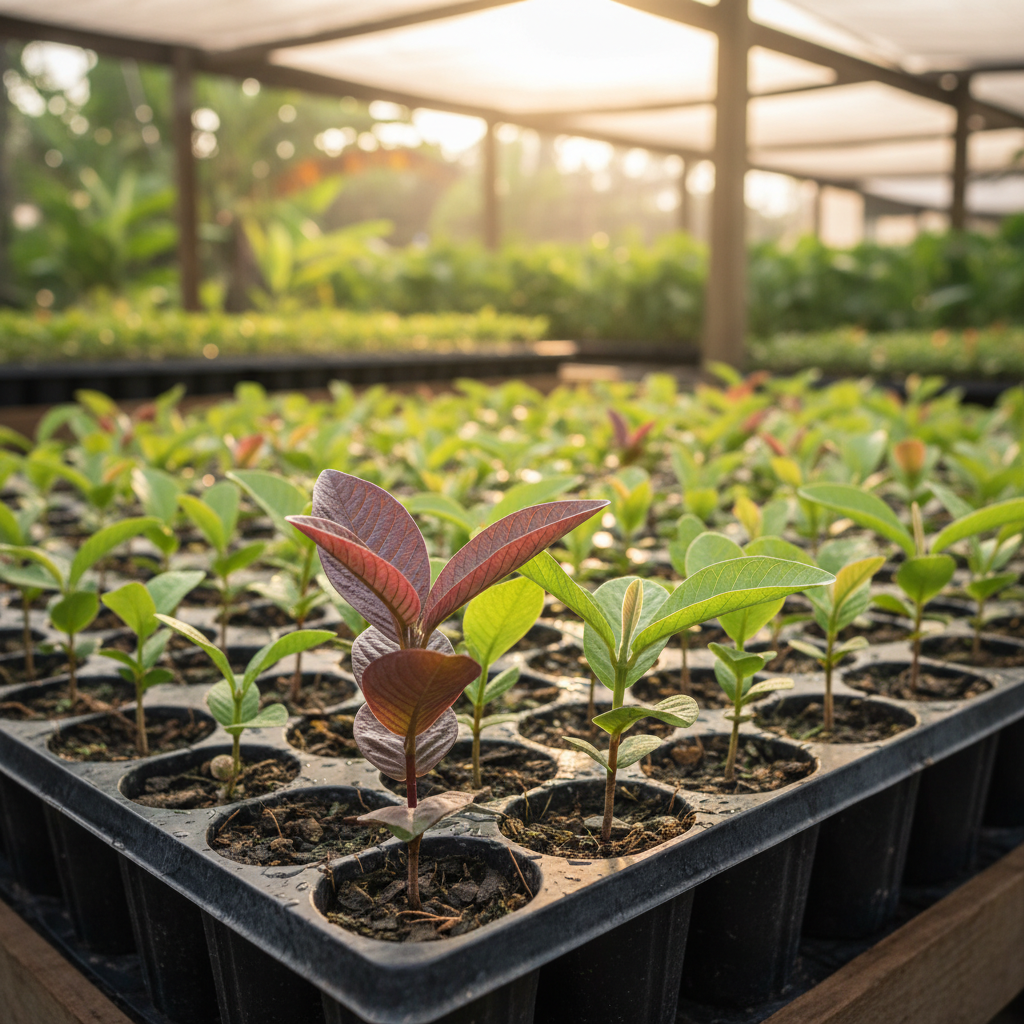
Guava Seedlings Decoded: Purple Leaves, Early Blooms
If you’ve just raised a guava seedling and noticed that one plant looks different from the rest, you’re not alone. Guava seedlings are famously variable, and that variability can be a gift—especially when a unique plant shows purple foliage and blooms earlier than its siblings. In late fall 2025, as growers prepare for winter or the dry season, understanding what your guava seedlings are telling you will help you set up a strong fruiting year ahead.
This guide explains why guava seedlings from one fruit can look wildly dissimilar, what purple leaves actually signal, and how to coax earlier blooms and better fruit set. You’ll also get a seasonal care checklist tailored to this time of year so you can protect your investment and move your guava seedling toward reliable harvests.
Case in point: A home grower raised six seedlings from a single guava fruit. Five had green foliage; one wore a striking purple flush—and it bloomed first. What’s going on, and how can you make the most of it?
Seedling Variation in Guava: Why Siblings Look Different
Guava (Psidium guajava) is highly heterozygous. That means seeds from the same fruit are more like siblings than clones. Even if you planted six seeds from one perfect guava, you should expect six different plants.
What drives the differences
- Genetic mixing: Most guavas cross-pollinate freely, so seeds rarely grow true to the parent fruit.
- Trait segregation: Seedlings can shuffle traits like leaf color, vigor, branching habit, thorniness of young shoots, flower color, and fruit quality.
- Environmental influence: Light, temperature, nutrition, and pot size overlay visible differences on top of genetics.
What you might observe
- Leaf color ranging from bright green to bronze or purple flushes on new growth
- Faster or slower growth between siblings
- Early vs. late flowering and fruiting
- Differences in aroma, pulp color, seediness, and sweetness once fruiting begins
The take-home: variability is an opportunity. By observing your cohort for a season or two, you can select the standout seedling(s) to keep, propagate, or use as rootstock.
Purple Guava Leaves: Genetics, Stress, and True Red Types
Purple foliage in a guava seedling can mean one of two things: a genetic trait or a stress response that increases anthocyanin pigments.
When purple is genetic
Some guava lines produce maroon or bronze foliage, especially on new flushes. Varieties often sold as red- or maroon-leaf guavas also carry pink to rose-colored flowers. If your seedling shows:- Consistent purple or bronze flushes on each new growth cycle
- Pinkish flowers rather than pure white
- Red-tinged stems and petioles
…it’s likely expressing a genetic trait. These seedlings often stand out cosmetically and can fruit perfectly well.
When purple signals stress
Anthocyanin can intensify under specific stresses—especially in fall and winter.- Cool nights: Lower temperatures in November can bring out purple tones in juvenile leaves.
- High light + chill: Bright sun with cool ambient temps often deepens coloration.
- Nutrient imbalance: Phosphorus deficiency can cause purpling; so can certain micronutrient shortfalls.
Action steps if you suspect stress:
- Check media pH (ideal around 6.0–6.5) and adjust as needed.
- Feed with a balanced, slow-release fertilizer and supplement potassium during bloom cycles.
- Protect from sub-50°F nights; aim for 60–85°F for steady growth.
- Provide bright light without leaf scorch (8+ hours sun or strong grow lights indoors).
Getting to First Bloom: Care That Triggers Flowering
Guava seedlings can flower in 1–3 years in warm conditions, though many take 2–4 years. Early blooms from a purple-leaf seedling don’t guarantee earlier fruiting for all siblings—but you can tilt the odds with smart culture.
Light and space
- Sun: Full sun is best. Indoors, provide 12–14 hours under strong LED grow lights.
- Root restriction: Guavas often initiate flowering sooner when slightly root-bound. Avoid overpotting.
Potting mix and feeding
- Mix: Fast-draining, airy media such as 50% fine pine bark, 25% perlite/pumice, 25% coir/compost.
- Fertility: Use a balanced, slow-release fertilizer year-round; supplement with a bloom-friendly ratio heavier in potassium (e.g., a 3-1-4 style) as buds form.
- Micronutrients: Ensure magnesium, calcium, iron, and manganese are available—especially for container plants.
Water management
- Even moisture: Keep the root zone consistently moist but never soggy.
- Flower induction: A brief, gentle dry-down followed by thorough watering can encourage bloom on mature plants.
Pruning cues
- Tip prune after a growth flush to encourage branching—flowers form on new growth.
- Remove weak, crossing, or shaded interior shoots to improve light penetration.
Pollination and fruit set
- Self-fertile: Guava flowers are typically self-fertile, but cross-pollination improves set.
- Hand pollination indoors: Use a soft brush to transfer pollen midday when anthers shed readily.
- From bloom to fruit: Expect 90–150 days to harvest depending on temperature and variety.
Selecting Keepers and Propagating: Seedling vs Grafted
Your goal this season is to observe, select, and make a plan—either keep unique seedlings, graft superior scions, or both.
How to evaluate seedlings
Track the following for each plant:- Vigor and branching habit
- Leaf flush color and stability (is purple consistent or seasonal?)
- Flowering frequency and bud density
- Fruit traits once available: sweetness, aroma, pulp color, seediness, texture, and disease tolerance
Score each plant across two or three growth cycles before making final decisions. A seedling that blooms first isn’t always the best-tasting.
Propagation pathways
- Keep as-is: Maintain your standout seedling as a specimen—especially if it’s ornamental with purple foliage and reliable fruit set.
- Topwork: Graft known cultivars onto vigorous seedlings to get earlier, predictable fruit. Whip-and-tongue, cleft, or veneer grafts work well when stems pencil-thick.
- Clone your winner: Once a seedling proves itself, take semi-hardwood cuttings or graft scions onto additional rootstocks to preserve its traits.
Seedling vs grafted pros and cons
- Seedlings: Genetic diversity, potential for new superior fruit, stronger adaptability—but unpredictable results.
- Grafted: Consistent fruit quality and timing—but narrower genetic base and typically higher initial cost.
Our recommendation: Grow a small cohort of seedlings to discover standouts while also maintaining at least one grafted, proven cultivar for dependable harvests.
Seasonal Care Now: Overwintering and Holiday-Season Tips
With November’s shorter days and cooler nights, shift your guava care to protection and planning so you hit spring running.
If you’re in a cool or temperate climate
- Temperature: Move containers indoors or into a greenhouse before nights drop below 50°F. Ideal range is 60–85°F.
- Light: South-facing windows are good; supplement with grow lights to maintain 12–14 hours of light.
- Water: Reduce frequency but avoid bone-dry media. Water when the top inch is dry.
- Humidity: Aim for 40–60% to deter spider mites.
If you’re in a tropical/subtropical climate
- Dry-season irrigation: Keep even moisture to prevent flower and fruit drop.
- Light pruning: After a flush, tip prune to set up a strong spring bloom.
- Nutrition: Maintain balanced feeding; add potassium and calcium to support flowering and fruit quality.
Pest and disease watchlist
- Indoors: Spider mites, mealybugs, scale, and whiteflies. Use gentle showers, horticultural oils, or biological controls and inspect weekly.
- Outdoors: Fruit flies (bag developing fruit), anthracnose on leaves/fruit (improve airflow, prune for light, remove infected debris).
Quick troubleshooting checks
- Pale new growth: Consider iron chelate and check pH.
- Purple older leaves with slowed growth: Evaluate phosphorus availability and root temperatures.
- Buds form but drop: Increase light, stabilize watering, and modestly boost potassium.
Holiday-season bonus
Guava seedlings make standout gifts for plant lovers—especially those with purple foliage. Include a simple care card: bright light, minimal overwatering, and a reminder that fruit may take 1–3 seasons.Key Takeaways and Next Steps
- Guava seedling variability is normal—and valuable. Track traits across a season to identify winners.
- Purple foliage can be genetic or stress-induced. Stabilize environment first; if coloration persists on each flush and flowers trend pink, genetics are likely.
- To encourage earlier blooms, provide strong light, balanced nutrition with extra potassium at bloom, slight root restriction, and timely tip pruning.
- For reliable harvests, keep your best seedling and consider grafting a proven cultivar onto vigorous rootstock.
Ready to level up? Create a one-page log for each guava seedling, start a light winter pruning plan, and set a fertilization schedule for early spring. Want help selecting cultivars or planning grafts for 2026? Request our Guava Grower’s Checklist and join our seasonal tips list to turn today’s guava seedling into next year’s fruiting showpiece.