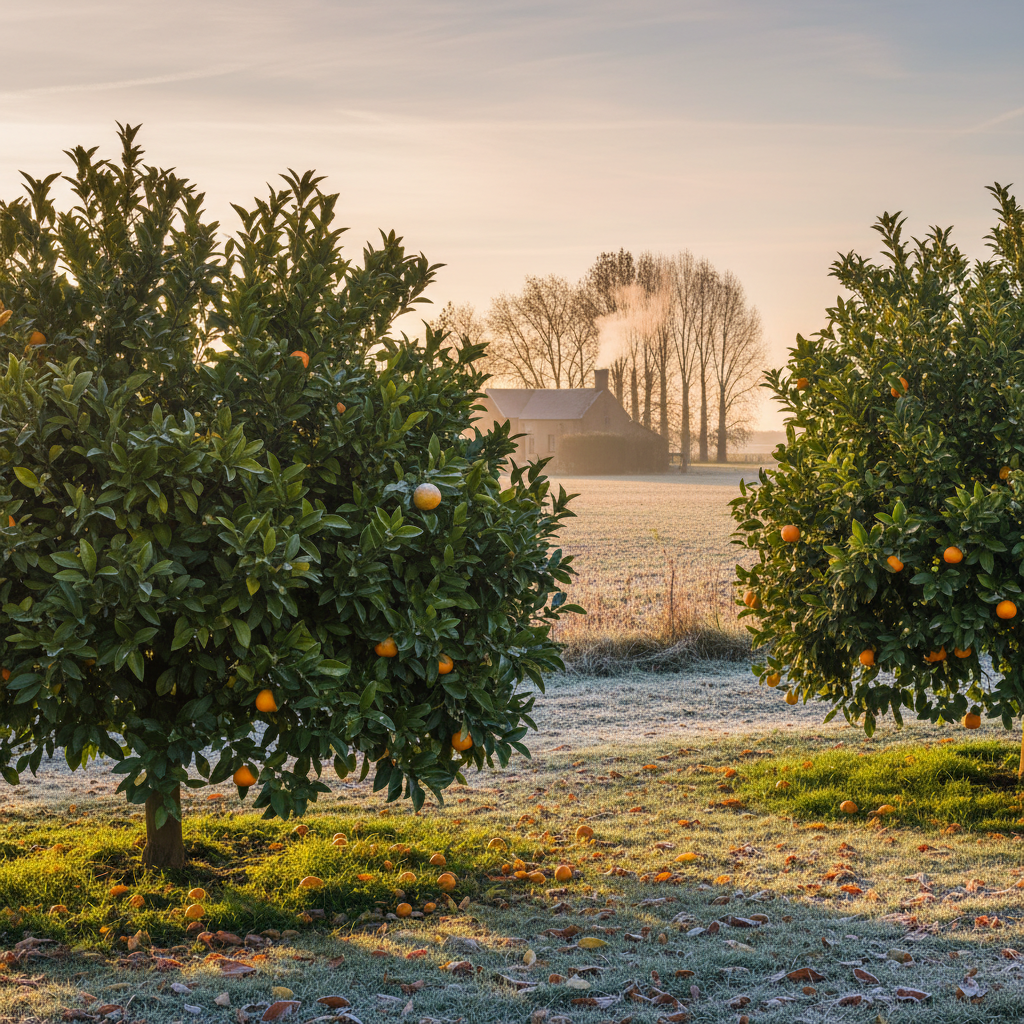
How to Grow Cold-Hardy Citrus and F2 Citranges
Growing citrus trees used to be a luxury reserved for gardeners in warm, frost-free climates. Yet as more home growers crave fresh, tropical flavors—even in cooler regions—the question keeps coming up: Can you really grow citrus in cold climates? That’s where cold-hardy citrus and experimental hybrids like F2 citranges step into the spotlight.
As we head into late autumn, many growers are already thinking ahead to winter protection strategies and what to plant next spring. If you’ve ever wondered whether you could enjoy your own homegrown oranges, mandarins, or citrus-like hybrids despite freezing winters, this guide is for you.
In this post, you’ll learn what F2 citranges are, how cold-hardy citrus breeding works, and, most importantly, how you can practically integrate these tough citrus trees into your garden, orchard, or small farm. We’ll translate the idea of an “F2 citrange winter hardiness trial” into actionable steps you can use to test, choose, and grow citrus that survives where traditional oranges would fail.
What Are Cold-Hardy Citrus and F2 Citranges?
Cold-hardy citrus are citrus species and hybrids that tolerate significantly lower temperatures than traditional sweet oranges, lemons, or limes. While typical citrus may be damaged below -2 °C (28 °F), some cold-hardy types can endure temperatures as low as -12 °C (10 °F) or even lower under the right conditions.
Understanding Citrange and the F2 Generation
A citrange is a hybrid between:
- Citrus sinensis (sweet orange) – for flavor and juiciness
- Poncirus trifoliata (trifoliate orange) – for extreme cold hardiness and disease resistance
The first generation of this cross is called F1. These trees are often hardy but can have bitter or resinous flavors because of their Poncirus parent.
When F1 citranges are allowed to intercross or self-pollinate, their offspring are the F2 generation. An F2 citrange winter hardiness trial is essentially a test planting of many F2 seedlings to see which individuals combine:
- Strong cold hardiness
- Better fruit quality
- Good tree vigor and disease resistance
Because the F2 generation shows a wide range of traits, it’s a goldmine for breeders and adventurous gardeners who enjoy selection and experimentation.
Why Cold-Hardy Citrus Matters for Growers Today
Expanding Citrus Beyond Traditional Zones
Traditionally, citrus thrives in USDA Zones 9–11. With cold-hardy types and careful siting, growers are now pushing into Zones 7 and even protected areas of Zone 6. That means more people can enjoy:
- Fresh, homegrown “tropical” flavors
- Unique specialty fruit for cottage food businesses and farm stands
- A more diversified orchard that spreads risk across different crops
Climate Variability and Risk Management
Unpredictable winter swings have become more common. Regions that usually stay mild can suddenly experience severe cold snaps that devastate tender citrus. Cold-hardy citrus offers:
- A hedge against late frosts and Arctic blasts
- Rootstocks that protect high-value grafted varieties
- Genetic material for future breeding efforts
By participating—formally or informally—in something like an F2 citrange winter hardiness trial, you contribute to identifying trees that can handle this new climate reality.
How to Design Your Own Winter Hardiness Trial
You don’t need a full-scale research station to test cold-hardy citrus. With deliberate planning, a home grower or small farm can run a simple yet informative winter hardiness trial.
Step 1: Choose Your Plant Material
Focus on a mix of cold-hardy species and hybrids, such as:
- F2 citrange seedlings (if you can source or raise them)
- Poncirus trifoliata and its selections
- Other hardy hybrids (citrandarins, citrumelos, yuzu-type hybrids, etc.)
If you can only start with grafted trees rather than seedlings, you can still evaluate rootstock hardiness and overall tree performance.
Step 2: Plan Your Planting Layout
Arrange trees so you can clearly compare survival and damage levels. For example:
- Plant in rows with consistent spacing
- Group similar types together but mix a few across the site to see microclimate effects
- Label each tree with a code, parentage (if known), and planting date
Tip: Keep a simple map in a notebook or digital file indicating which tree is where. You’ll thank yourself after the first real cold snap.
Step 3: Record Winter Conditions and Tree Response
During winter and early spring, document:
- Lowest temperature reached
- Duration of sub-freezing periods
- Wind exposure and snow cover
- Visible damage: leaf burn, twig dieback, bark splitting, complete defoliation
Create a simple rating scale, such as 0–5, where:
- 0 = tree killed to the ground
- 3 = moderate damage, resprouting needed
- 5 = minor to no visible damage
Over several winters, patterns will emerge, and you’ll clearly see which F2 citranges or hybrids stand out.
Practical Growing Tips for Cold-Hardy Citrus
Even the toughest F2 citrange will perform better when given the right conditions. The goal is to stack the odds in the tree’s favor.
Site Selection: Your First Line of Defense
Choose planting sites that naturally buffer cold:
- South-facing slopes or walls that absorb solar heat
- Areas with good air drainage so cold air can flow downhill away from trees
- Spots protected from prevailing winter winds by buildings, fences, or windbreaks
Avoid low pockets where frost settles, and do not plant where soil remains waterlogged in winter.
Soil and Root Health
Cold damage is worse in poorly drained, compacted, or nutrient-starved soil. Improve conditions by:
- Incorporating organic matter (compost, leaf mold) before planting
- Ensuring good drainage with raised beds or mounds
- Testing soil pH and adjusting toward slightly acidic to neutral where possible
Healthy roots help a tree recover from winter damage more quickly.
Winter Protection Strategies
Even with hardy genetics, smart winter management can be a game changer, especially in marginal zones.
Consider using:
- Mulch: A thick layer (but not touching the trunk) to protect roots
- Trunk wraps: Breathable materials to reduce sunscald and bark splitting
- Windbreaks: Temporary fencing or strategically placed evergreen shrubs
- Covers for young trees: Frost cloth or similar materials during extreme cold snaps
For container-grown cold-hardy citrus, move pots to a cool, bright, frost-free space when deep winter arrives, then return them outdoors in spring.
Evaluating Fruit Quality from F2 Citranges
Cold hardiness is only half of the story; the fruit still needs to be usable and enjoyable.
Traits to Evaluate in F2 Citrange Fruit
Once your trial trees begin fruiting (often in 3–6 years from seed), assess:
- Flavor: Sweetness, acidity, bitterness, and any resinous notes
- Aroma: Pleasant, complex citrus scent vs. harsh or off odors
- Texture: Juice content, fiber level, seediness
- Use: Fresh eating, marmalade, juicing, zest, or ornamental only
Some F2 citranges will be best suited for processing—such as marmalades, syrups, or cocktail mixers—rather than fresh eating. Others may surprise you with near-orange quality alongside excellent hardiness.
Selecting and Propagating the Best Trees
When you identify standout trees that combine cold hardiness with good fruit, you can:
- Graft scions onto hardy rootstocks
- Share budwood with other growers
- Establish a small block of your “selected” citrus for more consistent production
This is exactly how new cold-hardy citrus cultivars are born—from observant growers who notice and preserve exceptional individuals.
Turning Cold-Hardy Citrus Into a Niche Opportunity
For market gardeners, homesteaders, and small farms, cold-hardy citrus isn’t just a hobby; it can be a point of differentiation.
Value-Added Products
Even slightly bitter or strong-flavored hybrids can shine in processed forms, such as:
- Marmalades and jams
- Infused vinegars or oils
- Candied peel
- Cocktail syrups and garnishes
Labeling them clearly as “cold-hardy citrus” or by their hybrid names creates a story customers remember.
Agritourism and Education
A winter hardiness trial or cold-hardy citrus collection can become an educational feature on your farm:
- Guided walks explaining different hybrids and their traits
- Seasonal tastings comparing fruit from multiple trees
- Workshops on grafting, seedling selection, and winter protection
This positions you as a local authority on cold-hardy, tropical-tasting crops and can generate leads for consulting, plant sales, or specialty products.
Next Steps: Start Your Own Cold-Hardy Citrus Journey
Cold-hardy citrus and F2 citranges prove that truly tropical flavors aren’t limited to subtropical climates. By combining smart genetics with careful siting and winter management, you can gradually build a citrus collection capable of facing real winter conditions.
If you’re ready to get started with your own informal F2 citrange winter hardiness trial, begin by sourcing a few hardy hybrids, mapping a protected planting site, and setting up a simple system to record winter damage and recovery. Over the next few years, you’ll discover which trees truly thrive in your climate.
The most promising selections you find today could become the foundation for tomorrow’s locally adapted citrus. What role will your garden—or your farm—play in the next generation of cold-hardy, tropical-tasting fruit?