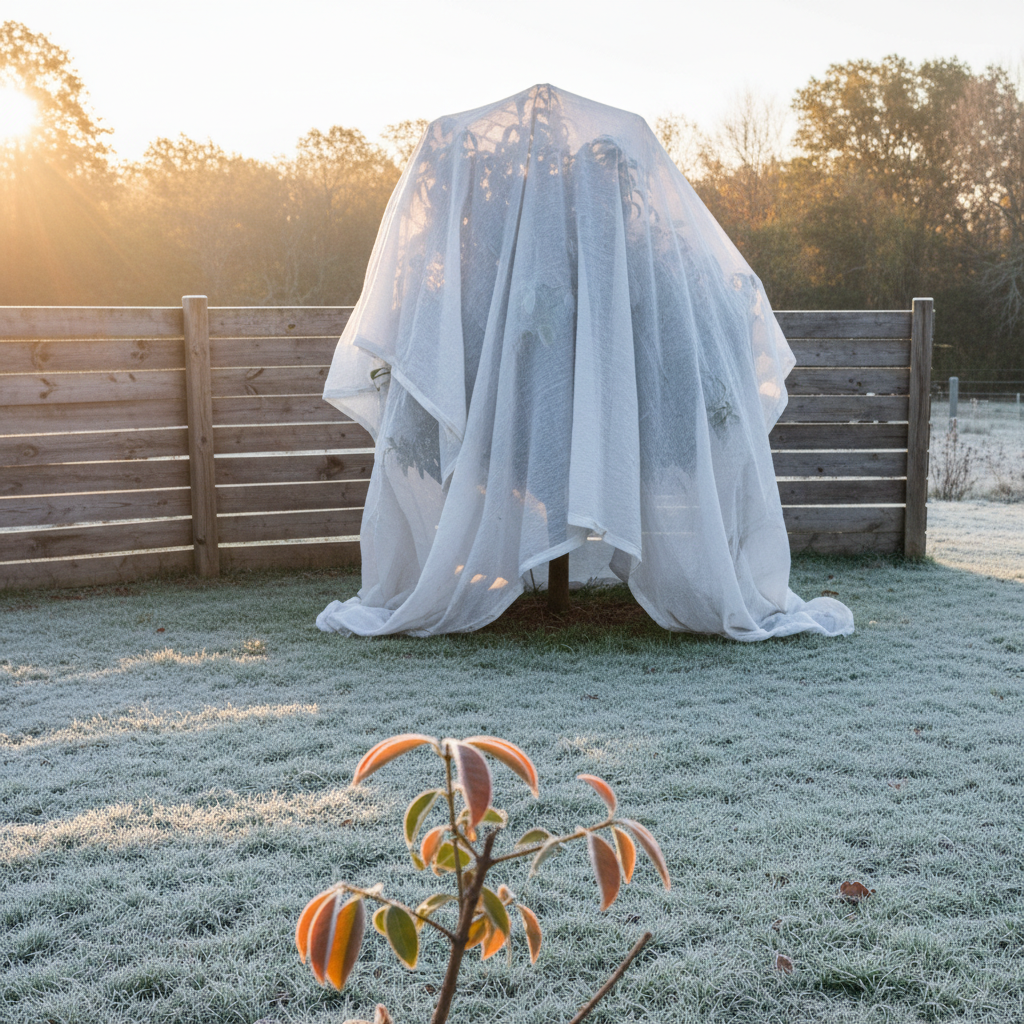
Jaboticaba Cold Damage: Wind Chill Protection Guide
When a blustery cold front blows through, tender tropicals often pay the price. If you’ve noticed bronzed or blackened tips after a chilly, windy night, you’re likely looking at jaboticaba cold damage—often triggered or intensified by wind chill and desiccating gusts. The good news: with the right prep, your trees can sail through winter and flush again in spring.
In late fall and early winter, brief cold snaps with strong winds are common in many backyards. Tropical fruit lovers—especially fans of jaboticaba and Achacha—must manage not just low temperatures but also wind exposure, soil moisture, and tree physiology. This guide explains how wind interacts with cold to damage new growth, how to diagnose the symptoms, and the exact steps to protect your trees now.
By the end, you’ll have a practical 7-step plan to shield jaboticaba from wind and freeze, plus recovery tactics if damage has already occurred.
Why Jaboticaba Suffers in Cold, Windy Weather
Wind chill myth vs. plant reality
While “wind chill” is a human comfort index, wind absolutely affects plants. Moving air:
- Increases convective heat loss from leaves, pushing tissue temperatures closer to ambient.
- Boosts transpiration, causing desiccation (dry-out) that mimics burn.
- Enhances evaporative cooling on already cold nights, worsening frost bite.
Translation: on marginal nights near freezing, wind can be the difference between a light bronzing and a hard burn.
New growth is the first to go
Jaboticaba’s tender flush—those delicate bronze leaves—has higher water content and thinner cuticles, making it the first casualty. Even if your low was only 33–36°F, windy conditions can still crisp soft growth. Older, hardened leaves may show only edge burn, while stems stay viable.
Roots, soil warmth, and canopy coupling
Plants lose less heat when the canopy is coupled to a warm soil surface. Bare, dry, or compacted soil radiates heat poorly. Moist, mulched soil buffers temperature swings and helps the canopy hold a precious degree or two—often enough to avoid jaboticaba cold damage.
How to Diagnose Cold vs. Wind Damage on Jaboticaba
Not all browning is equal. Use these cues to pinpoint what happened and decide your next move.
Visual symptoms
- Wind burn/desiccation: Leaf edges bronze or tan first; tissue feels papery. New flush droops, then dries. Veins may remain green briefly.
- Frost nip (light freeze): Turgid leaves turn dark olive, then black, within 24–48 hours. Tender shoots may collapse.
- Hard freeze injury: Bark may split; cambium turns brown under the skin. Expect delayed dieback, sometimes weeks later.
Timing clues
- Immediate browning after a windy, just-above-freezing night: Likely wind burn compounded by cold.
- Widespread blackening after a calm, radiational freeze: More classic frost/freeze injury.
Scratch test and patience
If stems look suspect, perform a gentle scratch test on small twigs: green cambium indicates life. Wait until stable warm weather before heavy pruning; premature cuts can trigger tender regrowth right ahead of the next cold snap.
7-Step Wind and Freeze Protection Plan
A simple system you can deploy before each cold event will prevent most jaboticaba cold damage.
- Map your microclimate
- Block the wind
- Cover smartly (the right materials, the right way)
- Add gentle, safe heat when needed
- Water and mulch for thermal buffering
- Harden, don’t hurry, your growth
- Use container strategy for the most tender
Recovery After Jaboticaba Cold Damage
Immediate triage
- Remove covers each morning to prevent overheating and fungal issues.
- Hydrate the root zone if winds were severe; dry roots slow recovery.
- If tissue is water-soaked, consider a light copper spray window to deter opportunistic pathogens.
Prune with intention
- Wait until the risk of frost passes to prune dieback; cuts stimulate tender shoots.
- Start at the tips and work downward until you hit green cambium. Disinfect pruners between cuts.
Feed for resilience
- Resume balanced feeding as days lengthen. Emphasize organic matter, micronutrients, and moderate potassium.
- Maintain even moisture; avoid boom-bust cycles that stress recovering tissue.
With patience, jaboticaba often rebounds vigorously, pushing new flush once nights stabilize. Many growers report trees fruiting normally the following season after light to moderate cold events.
Temperature Limits for Jaboticaba and Achacha
These are general, conservative ranges; microclimate, wind, duration, and tree maturity matter.
- Jaboticaba (Plinia spp.)
- Achacha (Garcinia humilis)
- Containers vs. in-ground
A Quick Case You Might Recognize
A grower reported a calm fall, then one windy cold front. By morning, the jaboticaba’s newest flush looked bronzed and droopy, while mature leaves were fine. An Achacha nearby showed similar tip scorch. Diagnosis: wind-enhanced cold burn on soft tissue. After a week of mild weather, stems stayed green; no immediate pruning was done. Result: the trees rebounded once temperatures stabilized, validating a light-touch recovery approach.
Putting It All Together This November
Cold fronts can escalate quickly this time of year. Prioritize windbreaks and breathable covers, water before a freeze, and keep a simple frame and frost cloth ready. If you’ve already taken a hit, confirm stem viability, wait to prune, and support steady recovery.
If you want a simple checklist to follow before each cold event, create a 1-page “Go Bag” with your microclimate notes, materials list, and a step-by-step covering routine. It’s the best insurance against jaboticaba cold damage all winter long.
Ready to protect your tropicals? Compile your materials, set an alert for forecasted cold snaps, and build your windbreak frame this week. Then ask yourself: where can you gain just 2°F and cut the wind in half? That small edge is often the difference between setback and success.