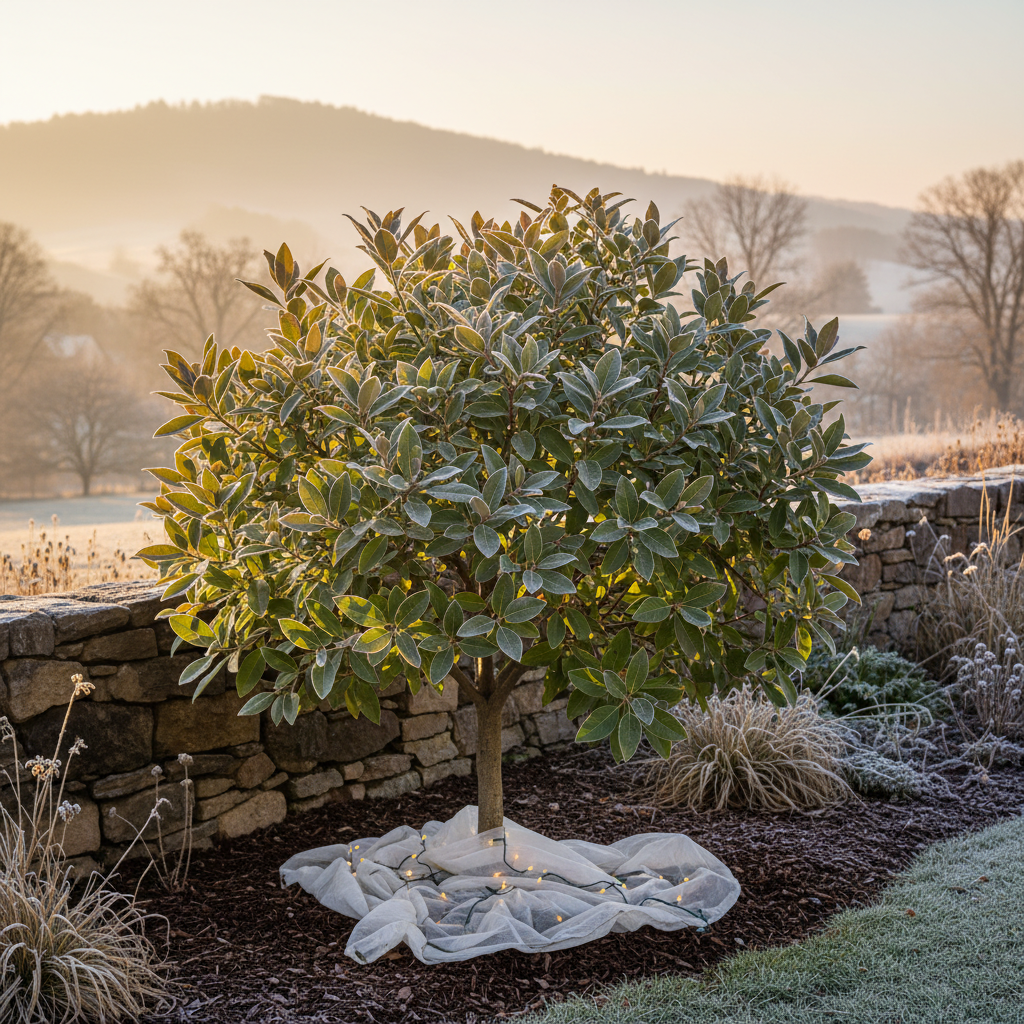
As cold fronts start to line up in late November, many backyard growers are deciding which tropicals to protect and which to gamble on. Here’s a surprise candidate for your zone‑pushing list: jamun (Syzygium cumini), also known as Java plum. Grower reports of jamun cold hardiness—sometimes through multi‑day freezes—challenge the idea that this fruit is only for steamy, frost‑free gardens.
This matters right now because early winter swings can be unpredictable and intense. If you love tropical fruit but garden in marginal climates, understanding jamun’s actual limits and the strategies that tip odds in your favor can turn losses into harvests. In this guide, you’ll learn how cold jamun can handle, smart microclimate tricks, a step‑by‑step freeze plan, and how it compares to other tropical fruit trees.
Why Jamun Deserves a Second Look in Cold Climates
Jamun is an evergreen tropical that produces deep purple, grape‑like fruit with a sweet‑tart, resinous flavor. It’s prized for fresh eating, juices, and preserves—and it can be a striking landscape tree. The surprise? Mature jamun often shows more resilience to cold than its tropical reputation suggests.
- Evergreen canopy offers wind buffering when managed well
- Dense wood and vigorous root systems help post‑freeze resprouting
- Fruit ripens in warm seasons, so winter cold doesn’t directly hit fruiting windows
"Don’t underestimate jamun. In many backyards it shrugs off brief freezes and rebounds in spring."
If you’ve written off tropicals because of a few hard winters, jamun could be your comeback crop—especially if you combine site selection and protection tactics.
How Cold Can Jamun Handle? What Growers Report
Anecdotal reports from growers in marginal zones suggest jamun can survive short cold snaps into the 20s °F, sometimes even the high teens for brief periods, especially when events last only a couple of nights. Expect increasing damage with longer duration and lower temperatures.
A practical damage ladder (guideline, not guarantee)
- 31–29°F (‑0.5 to ‑1.7°C): Minor leaf burn; tender flushes hit first
- 28–25°F (‑2 to ‑4°C): Significant defoliation; small twig dieback likely
- 24–22°F (‑4.5 to ‑5.5°C): Bark and cambium damage on young wood
- ≤20°F (≤‑6.7°C) or 2–3 days below freezing: Major structural damage; survival depends on age, health, and microclimate
These thresholds are directional. Tree age, hydration status, wind, and exposure dramatically change outcomes. Mature, well‑hydrated trees in protected microclimates consistently outperform young, wind‑exposed trees.
Site Selection and Microclimate Hacks
The easiest degree of protection is the one your site gives you for free. Before you invest in gear, squeeze every advantage from placement and design.
Choose the warmest square on your property
- South or southeast exposure for maximum winter sun
- Near thermal mass (stucco walls, masonry, large boulders) to release stored heat overnight
- On a gentle slope to avoid cold air pooling; never in low frost pockets
- Protected from north and northwest winds by fences, hedges, or evergreen windbreaks
Build warmth into the landscape
- Mulch ring 3–4 inches deep (keep mulch off trunk) to moderate root temps
- Dark gravel or stone under canopy to store daytime heat in winter
- Water barrels painted dark near the trunk as passive heat sinks
- Dense understory plantings as a wind baffle without competing at the trunk flare
Monitor to manage
- Place a min–max thermometer or wireless sensor at canopy height
- Log cold spots across the yard—often 2–5°F colder than the warmest corner
- Keep a simple freeze diary to correlate weather forecasts with on‑site lows
Protection Strategies: Before, During, and After a Freeze
Cold protection is a system. Stack small advantages and you’ll convert marginal nights into survivable ones.
Before a freeze (days to weeks)
- Harden growth: Stop high‑nitrogen fertilizer 6–8 weeks before first frost
- Hydrate the soil: Water the day before a freeze—moist soil holds more heat
- Potassium and calcium: Balanced nutrition supports cell strength
- Shape smart: Lightly thin excessive soft growth in fall; avoid heavy pruning that stimulates tender flushes
- Stage your kit: Frost cloth, stakes, clips, incandescent C9/C7 holiday lights (not LEDs), extension cords, and a weatherproof timer
During a freeze (hours)
- Cover early: Drape frost cloth to the ground and secure; create an enclosed “tent” that traps radiant heat from soil
- Add gentle heat: String incandescent lights under the cloth, away from direct contact with leaves
- Seal wind leaks: Use binder clips or spring clamps along the cloth seams
- Avoid plastic against foliage: If using plastic as an outer layer, keep a cloth layer underneath to prevent leaf burn
After a freeze (days to weeks)
- Wait to prune: Dead leaves can insulate live wood. Prune only after new growth in spring reveals the living cambium line
- Scratch test: Gently scrape bark to look for green cambium before removing wood
- Nurse recovery: Resume balanced feeding once danger passes; keep even soil moisture, avoid waterlogging
- Sun protection: Whitewash exposed bark with interior latex paint diluted 1:1 with water to prevent sunscald on suddenly exposed wood
Your jamun freeze kit checklist
- 2–3 frost cloths sized to reach the ground
- Stakes or a lightweight frame to prevent cloth from crushing tips
- Incandescent C9 or C7 light strings and outdoor‑rated cords
- Digital thermometer with probe at canopy level
- Mulch, sandbags, and clips to seal the base and edges
Jamun vs. Other Tropical Fruits in the Cold
Growers often ask how jamun stacks up against other popular tropicals for zone‑pushing.
- Guava (Psidium guajava): Similar or slightly hardier than jamun in brief cold; often tolerates mid‑20s°F with damage but recovers
- Mango (Mangifera indica): Generally more tender; young trees can be hurt at 31–30°F and suffer severe damage below 28°F
- Starfruit (Averrhoa carambola): Tender; damage commonly begins around 30–29°F
- Loquat (Eriobotrya japonica): Subtropical and quite hardy; routinely handles mid‑20s°F and sometimes lower
Jamun sits in an interesting middle ground: not as hardy as loquat, often more resilient than mango or starfruit, and similar to guava in many backyards—especially when mature and well sited.
Container Growing and Zone‑Pushing Plans
If your winters deliver frequent hard freezes (or you rent and need portability), container culture is your best friend.
Container tactics that work
- Choose a 20–30 gallon container with excellent drainage
- Use a coarse, airy mix; avoid heavy soils that stay cold and wet
- Train to a compact canopy with early, light pruning
- Put the pot on a rolling caddy to shuttle between patio sun and a garage or greenhouse on freeze nights
A sample plan by zone
- Zone 10a–10b: Ground planting with minimal protection except on rare arctic blasts
- Zone 9a–9b: Ground planting in the warmest microclimate plus freeze kit; containers as backup for young trees
- Zone 8a–8b: Large containers moved under cover on freeze nights; experimental in‑ground only with heavy protection and acceptance of dieback
Seasonal Checklist for Late Fall and Early Winter (Nov–Jan)
- Audit microclimates; pick the warmest jamun spot now
- Reduce or stop nitrogen; steady irrigation going into cold spells
- Pre‑install hooks/eyelets for quick frost‑cloth deployment
- Stage lights and test timers before the first warning
- Sharpen pruners and mix whitewash for post‑freeze care
- Set alerts on your phone for forecast lows at 34°F, 31°F, and 28°F
Actionable Tips to Improve Survival Odds by 3–5°F
Small changes add up to meaningful protection. Stack these for measurable gains:
- Add a south‑facing reflective backdrop (light‑colored wall or panel) to bounce sun into the canopy
- Cluster large containers of water near the trunk; the more thermal mass, the better
- Build a removable PVC frame for rapid, repeatable cloth setup
- Double‑cover on the coldest nights: floating row cover under a heavier frost blanket
- Avoid soil compaction; cold + saturated, compacted soils are a root‑rot risk
What to Expect the Spring After a Hard Freeze
Patience is the hardest part. Jamun often leafs out later after cold damage, sometimes from lower scaffolds or even the rootstock if the scion is lost. Give the tree warm nights and consistent care before making final cuts.
- Watch for epicormic shoots along larger limbs
- Select 3–5 well‑spaced new leaders and remove the rest gradually
- Feed lightly at first, then step up as growth normalizes
- Expect a gap year on fruiting as the tree rebuilds canopy
Bottom Line
Jamun cold hardiness is better than many growers assume, especially with thoughtful siting and layered protection. In marginal climates, that can be the difference between replacing a tree and celebrating a summer harvest.
If you’re planning a zone‑push this winter, build your freeze kit now and map your warmest microclimates. Want help tailoring a plan to your yard and local weather patterns? Request our cold‑hardiness checklist or schedule a quick consult. With the right strategy, jamun can earn a permanent spot in your backyard orchard—no tropical passport required.