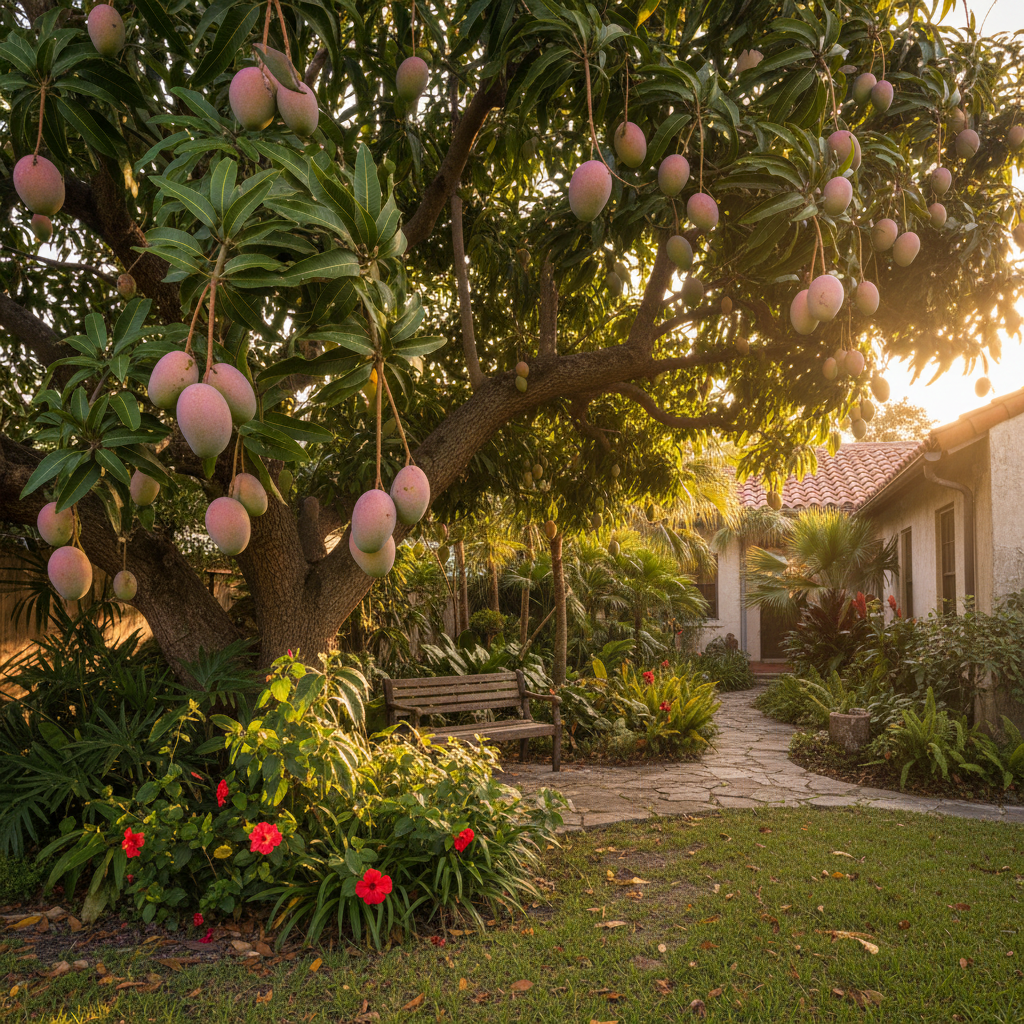
Mulgoba Mango in Florida: History, Taste, and Trees
As South Florida eases into its mild late-fall weather, it’s the perfect time to look ahead to next summer’s mango magic. Few fruits carry as much Sunshine State history as the Mulgoba mango. If you’re curious about where Florida’s beloved mango story began—and how you can grow, source, or taste these heritage cultivars—this guide brings it all together.
Why focus on the Mulgoba mango in Florida now? Because planning, planting, and grafting happen in the cooler months, and that groundwork pays off when the heat returns. We’ll unpack the Mulgoba’s legacy, demystify the rarer Amiri, show you where heritage trees still stand, and share practical steps for cultivating, buying, and tasting—so you’re ready for the 2026 season.
In short, this is your roadmap to preserving flavor history while enjoying modern-day performance in your home orchard or specialty fruit program.
Why Mulgoba Matters in Florida Mango History
The Mulgoba is widely regarded as one of the foundational mango cultivars in Florida. Early plantings helped set the stage for the state’s mango renaissance, and many of today’s popular varieties trace some part of their lineage back to it.
- Mulgoba’s influence: It’s often cited as a key ancestor of the famed Haden, the colorful, richly flavored mango that popularized Florida mangos in the 20th century.
- Old giants still standing: Mature Mulgoba trees can still be found across South Florida, especially in older neighborhoods and historic groves. Communities such as Mangonia Park and parts of downtown West Palm Beach are known for sheltering some of these long-lived specimens.
- Flavor legacy: Descriptions of Mulgoba’s eating experience typically include rich sweetness with a resinous, classic tropical aroma—notes that echo in Haden and other Florida-bred cultivars.
What this means for growers and buyers
- For growers: Mulgoba is a heritage anchor worth preserving through grafting and careful management. Even if you prefer modern varieties for yield or disease tolerance, adding a Mulgoba limb or tree preserves diversity and broadens your flavor portfolio.
- For buyers: Seeking out Mulgoba or Haden in season gives you a taste of Florida mango history—often fuller and more complex than many imported varieties.
Amiri Explained: A Rare Gem for Collectors
Compared to Mulgoba, Amiri is lesser-known in Florida—but it has a devoted following among collectors and heritage fruit enthusiasts. You won’t often see Amiri in mainstream markets; it tends to appear in specialty tastings, private collections, or small community exchanges.
- Character: Amiri is appreciated for its distinctive, aromatic profile that leans toward old-world mango character—think perfumed sweetness and a classic tropical bouquet rather than the ultra-fibrous or ultra-mild ends of the spectrum.
- Seasonality: In South Florida, ripening can vary with location, canopy management, and weather. Growers report mid- to late-season windows for heritage cultivars like Amiri, but treat timing as site-specific.
- Availability: Expect limited quantities. That scarcity adds to Amiri’s allure and makes advance planning (pre-orders, waiting lists, or scion swaps) essential if you want to taste it.
Who should seek out Amiri?
- Home orchardists curating a diverse, historically meaningful collection
- Chefs and product developers exploring complex, aromatic mango bases for desserts, beverages, and ferments
- Mango enthusiasts looking for experiences beyond mainstream cultivars
Where to Find Heritage Trees in South Florida
South Florida’s older neighborhoods hide living mango history. If you’re scouting heritage trees, approach thoughtfully and ethically.
- Likely spots: Older residential areas, historic estates, and long-standing agricultural parcels around communities such as Mangonia Park and downtown West Palm Beach have included heritage mango plantings for decades.
- Etiquette and safety: Always seek permission from property owners, avoid trespassing, and prioritize safety when assessing large, older trees.
- Community sources: Local fruit councils, garden clubs, and seasonal tasting events are excellent places to learn where heritage cultivars are maintained and to connect with growers who share scionwood or fruit.
Identifying heritage trees
- Tree form: Older Florida plantings can be tall with broad canopies and heavy scaffold branches—often taller and more sprawling than today’s managed, compact trees.
- Fruit cues: Heritage mangoes frequently display rich aromas and traditional color breaks at maturity. Because labeling was not always rigorous decades ago, enlist experienced growers to help confirm identification.
How to Grow and Care for Mulgoba and Amiri
Heritage mangoes reward attentive, Florida-savvy care. With planting season underway through winter and early spring, now is the moment to prepare.
Site selection and soil
- Full sun: Choose a warm, wind-buffered site with at least 8 hours of direct light.
- Drainage first: Mango roots dislike prolonged saturation. Where soils are flat and heavy, plant on a slight mound and avoid low-lying spots.
- Spacing: Give trees room for airflow and storm resilience; 15–25 feet between trees is typical for full-sized cultivars.
Planting and establishment
- Timing: Late fall through early spring is ideal in South Florida—cooler temps reduce transplant stress.
- Watering: Keep soil evenly moist through establishment, then back off; mature mangoes prefer deep, infrequent watering during dry spells.
- Mulch: Use a broad, airy mulch ring to moderate soil temperature and suppress weeds, keeping mulch a few inches away from the trunk.
Nutrition strategy
- Light and frequent for young trees: Balanced, low-salt inputs help build canopy the first 2–3 years.
- Mature trees: Favor modest, targeted nutrition to support bloom and fruiting, with micronutrients if your soil tests indicate.
- Avoid excess nitrogen: Too much vegetative growth can reduce flowering and increase disease pressure.
Pruning, training, and storm-readiness
- Shape early: Create a low, open canopy with 3–4 evenly spaced scaffold limbs to support fruit and simplify harvest.
- Annual touch-ups: After harvest, remove crossing wood, thin dense interior growth, and keep overall height manageable.
- Wind-hardening: Reduce long, whippy leaders and maintain a balanced canopy to withstand summer storms.
Disease and pest awareness
- Anthracnose vigilance: Humid, rainy summers favor anthracnose on blooms and fruit. Encourage airflow, prune for light penetration, and time irrigation to mornings.
- Sanitation: Remove mummified fruit and prune out diseased wood. Keep the area under trees clean to reduce inoculum.
- Resistant backups: If you love heritage cultivars but want reliability, consider mixing in modern, more disease-tolerant varieties for season-spanning harvests.
Propagation and grafting
- Rootstock: In Florida, vigorous, adapted rootstocks are common; consult local nurseries for availability and performance.
- Scions: Winter through early spring is a productive window for grafting as trees push new growth. Source clean, true-to-type scionwood from trusted growers.
- Strategy: Add a Mulgoba or Amiri branch to a vigorous tree to test performance in your microclimate before dedicating full space.
Buying, Tasting, and Planning for the 2026 Season
With harvest months away, November is planning season. Whether you’re a home grower, a chef, or a specialty buyer, early action secures access to limited heritage fruit.
Sourcing trees and scionwood
- Reserve early: Heritage cultivars sell out quickly. Contact reputable nurseries or join waiting lists now.
- Join the community: Keep an ear out for local scion exchanges in late winter; they’re invaluable for rare cultivars like Amiri and for true-to-type Mulgoba material.
Tasting and culinary uses
- Ripeness cues: Look for full aroma, a gentle nose of tropical resin, and slight give at the shoulders. Color shifts vary by tree and sun exposure.
- In the kitchen: Heritage mangoes shine fresh, but they’re stellar in curds, semifreddo, lassi-style beverages, chutneys, and quick ferments. Freeze purée in peak season for off-season desserts.
Action plan for the next 90 days
- Shortlist your cultivars: Lock in at least one heritage (Mulgoba or Amiri) and one dependable modern variety.
- Prep your site: Improve drainage, mark planting spots, and source mulch.
- Get on lists: Pre-order trees and scions; line up a pruning and nutrition schedule.
- Learn your neighborhood: If you have old trees nearby, connect with owners respectfully—you may discover living mango history.
If you’re serious about flavor and heritage, now’s the moment to act. Request our Florida Mango Cultivar Quick-Start Guide, and we’ll help you prioritize selections, plan your planting, and position your orchard for a standout 2026 harvest.
Preserving the Mulgoba mango in Florida isn’t just nostalgia—it’s a strategy for flavor diversity and resilience. Pair it with a rare Amiri if you can, and you’ll taste the arc of Florida’s mango story from its roots to today. Ready to curate your own collection? Reach out to reserve trees, join a scion list, or schedule a quick planning consult—your next unforgettable mango season starts now.