Why Passion Fruit Flavor Varies More Than You Think
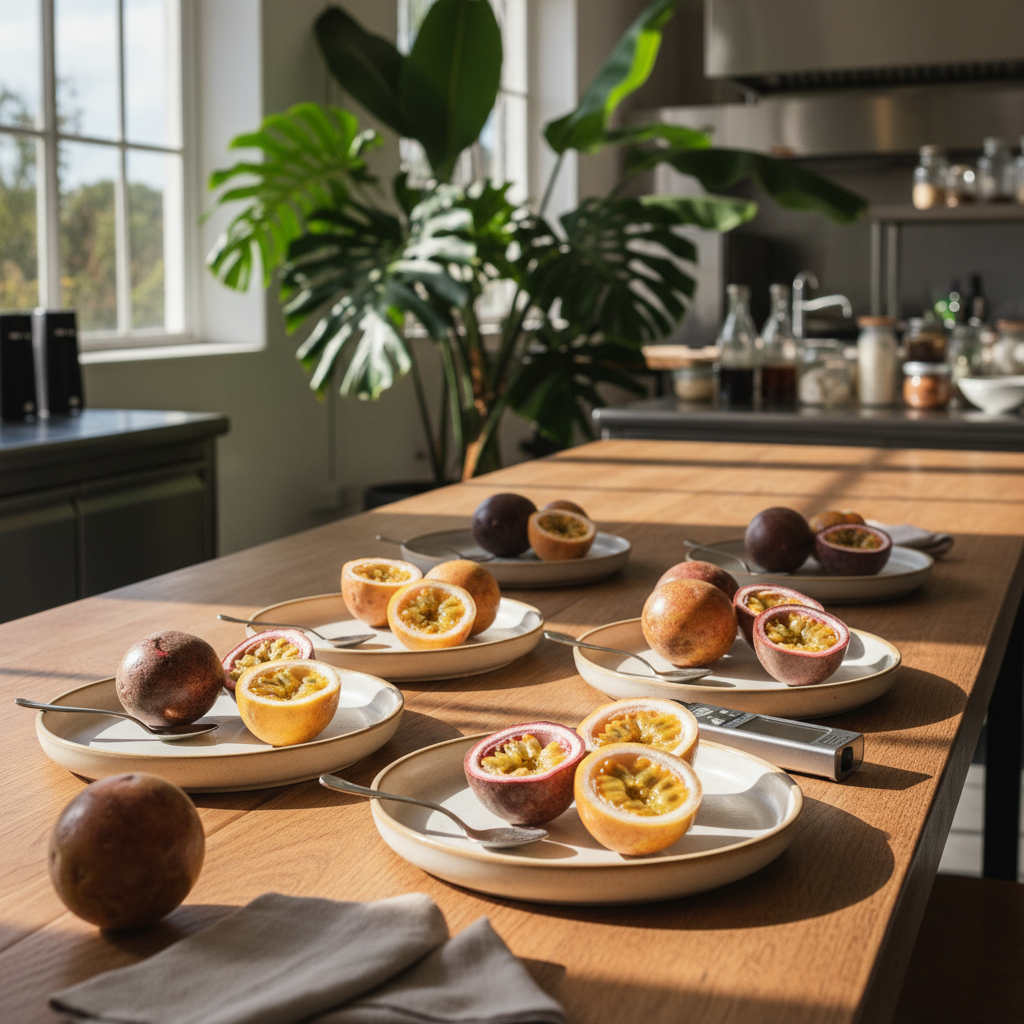
If you’ve ever lined up a few passion fruits and found each one tasted wildly different, you’re not imagining it. A true passion fruit taste comparison comes down to more than variety names—it’s a dance between species, ripeness, sugar-to-acid balance, and even how the fruit was handled post-harvest. This week, a community tasting added a newcomer, “Ruby Glow,” and it sparked fresh debate about what makes a top-tier passion fruit truly memorable.
For chefs, buyers, growers, and curious food lovers heading into the holiday season, understanding these differences pays off. Whether you’re building a dessert program, crafting cocktails, or planning a home tasting for friends and family, a clear framework helps you select, present, and enjoy passion fruit at its peak.
In this guide, you’ll learn how to evaluate passion fruit like a pro, how “Ruby Glow” slots into the flavor spectrum, what Brix readings can and cannot tell you, and practical ways to use each flavor profile—from bright-yellow tart powerhouses to richly aromatic purples—across seasonal menus.
The Building Blocks of Flavor: Species, Brix, and Aroma
Species and cultivars
Most fresh passion fruit on the market comes from two key types:- Purple passion fruit (Passiflora edulis): Typically smaller, richly aromatic, often perceived as sweeter due to a rounded acid profile.
- Yellow passion fruit (Passiflora edulis f. flavicarpa): Larger, punchier acidity, great for bold applications like sauces and drinks.
Hybrids and selections blur these lines, offering unexpected combinations of floral notes, berry tones, and tropical aromatics. “Ruby Glow,” newly circulating among enthusiasts, has been noted for its vibrant aromatics and balanced palate in early tastings.
Brix (sweetness) versus acidity (lift)
Brix is a measure of soluble solids (mostly sugar). Fully ripe passion fruit often lands in the 12–18° Brix range, but sweetness alone doesn’t determine enjoyment.High Brix isn’t everything—acidity shapes perception.
A fruit at 14° Brix with crisp acidity can taste brighter and more complex than a 17° Brix fruit that’s gone sleepy. The magic is in the ratio: sugar for body, acidity for lift.
Ripeness and handling
- Wrinkling signals concentration but doesn’t guarantee peak flavor; aim for heavy fruit with a deeply colored shell and a fragrant nose.
- Room-temperature finishing (1–2 days) can round edges. Refrigerate only once the fruit is aromatic to preserve nuance.
How to Run a Passion Fruit Tasting (At Home or for Service)
Preparation
- Standardize serving temperature: room temp maximizes aromatics.
- Halve and taste the pulp straight from the shell first; then strain for a seedless sample.
- Use identical spoons/cups to minimize biases.
Scoring framework (5-point scale)
- Aroma intensity: floral, tropical, berry, citrus, herbal
- Sweetness: perceived sweetness (not just Brix)
- Acidity: refreshment, balance, harshness
- Texture: seed crunch, pulp viscosity
- Complexity and finish: how flavors evolve and linger
Log a quick note per category. If you have a refractometer, capture Brix after tasting to avoid bias. For buyers and R&D teams, repeat across multiple fruit to account for natural variation.
Pro tips
- Taste in the morning when palates are fresh.
- Rinse with neutral water and a plain cracker between samples.
- Re-taste top contenders side-by-side before ranking.
Tasting Notes: Where “Ruby Glow” Fits
Early community impressions suggest “Ruby Glow” presents a confident nose with floral-berry lift and a rounded, integrated palate. While specific numbers vary by fruit and grower, well-ripened samples have shown perceived sweetness consistent with mid-teen Brix and a clean, refreshing finish.
Here’s a practical, comparative snapshot to help you position flavors in your own lineup:
Purple selections (typical profile)
- Nose: Passionflower, guava, blackcurrant, sometimes violet-like florals
- Palate: Balanced sweetness with moderate acidity
- Use cases: Desserts, coulis, mousse, sorbet; sipping juices and cocktails where aroma matters
Yellow selections (typical profile)
- Nose: Lemon zest, pineapple core, tropical punch
- Palate: High-toned acidity with zesty snap
- Use cases: Sauces, vinaigrettes, marinades, high-impact cocktails; blending to brighten softer fruit
“Ruby Glow” (early tasting perspective)
- Nose: Elevated floral aromatics with berry-toned fruit
- Palate: Perceived sweetness in the mid range, acidity tucked in—polished rather than sharp
- Texture: Seeds crunch cleanly; pulp feels viscous and plush
- Finish: Lingering floral-berry echo; low bitterness
A sample ranking rubric (illustrative)
- Aroma intensity and appeal: Ruby Glow and top purples often lead
- Balance (sweetness-to-acid): Ruby Glow and select hybrid purples
- Impact for mixing: Yellows take the crown for brightness
- Texture for eating fresh: Purples with clean seed crunch win
Note: Your mileage will vary with ripeness and handling. Always score across multiple fruit.
From Tasting to Table: Pairings, Menus, and Holiday Ideas
Pairing principles
- Complement: Pair floral-berry purples (including Ruby Glow-type profiles) with vanilla, coconut, white chocolate, and stone fruit.
- Contrast: Use bright yellows to cut through rich dishes—think duck, pork belly, or cheesecake.
- Layer: Blend 70% purple + 30% yellow for a fragrant, high-impact coulis.
Quick applications
- Dessert: Passion fruit pavlova with a 70/30 purple-yellow coulis for aroma and lift.
- Cocktail: Holiday spritz with passion fruit, dry sparkling wine, and a citrus cordial; garnish with expressed orange peel.
- Savory: Yellow passion fruit glaze for roasted Brussels sprouts or salmon.
- Breakfast: Greek yogurt, chia, and a spoon of fresh pulp; finish with toasted coconut.
Menu engineering tips
- Lead with aroma in dessert copy for purples; lead with brightness in beverage copy for yellows.
- Offer a “duo” dessert: one bite showcasing floral depth (purple) and one bite highlighting citrus snap (yellow). It educates and justifies premium pricing.
Sourcing, Storing, and Growing: A Practical Guide
Selecting fruit
- Weight over size: heavy fruit signals more juice.
- Skin: Allow light wrinkling for concentration; avoid deep cuts or mold.
- Aroma: A fragrant shell hints at readiness.
Storage and ripening
- Counter: 1–3 days to finish; monitor aroma.
- Fridge: Once fragrant, chill up to 5–7 days to hold.
- Freezing: Pulp freezes well; portion in small jars for service.
For growers and serious hobbyists
- Climate: Warm, frost-protected sites with good airflow.
- Trellising: Train for access and light; prune for renewal and disease control.
- Pollination: Many selections set better with hand pollination; mornings are ideal.
- Harvest cues: Color change, slight give, and natural drop indicate ripeness; measure Brix for consistent quality.
Quality control for buyers
- Standardize specs: Target Brix ranges suitable for use case (e.g., higher for dessert, slightly lower acceptable for blending).
- Request harvest maturity standards and handling protocols.
- Conduct incoming sensory checks and batch-blend to normalize flavor.
Bringing It All Together
A thoughtful passion fruit taste comparison reveals how species, ripeness, and handling drive real-world flavor—all the way from fragrant, dessert-ready purples to zesty yellows built for cocktails and sauces. Early tastings place “Ruby Glow” among aromatic, well-balanced options, with floral-berry lift and a polished finish that plays beautifully in pastry or fresh applications.
If you’re planning holiday menus or simply want a winter-bright flavor at home, set up a side-by-side tasting, capture your scores, and choose fruit intentionally for each dish. Looking for help sourcing, building a tasting kit, or selecting cultivars for your climate? Get in touch to request our passion fruit buyer’s and grower’s guide, or schedule a customized tasting session. What will your top-ranked passion fruit be this season—and how will you showcase it?