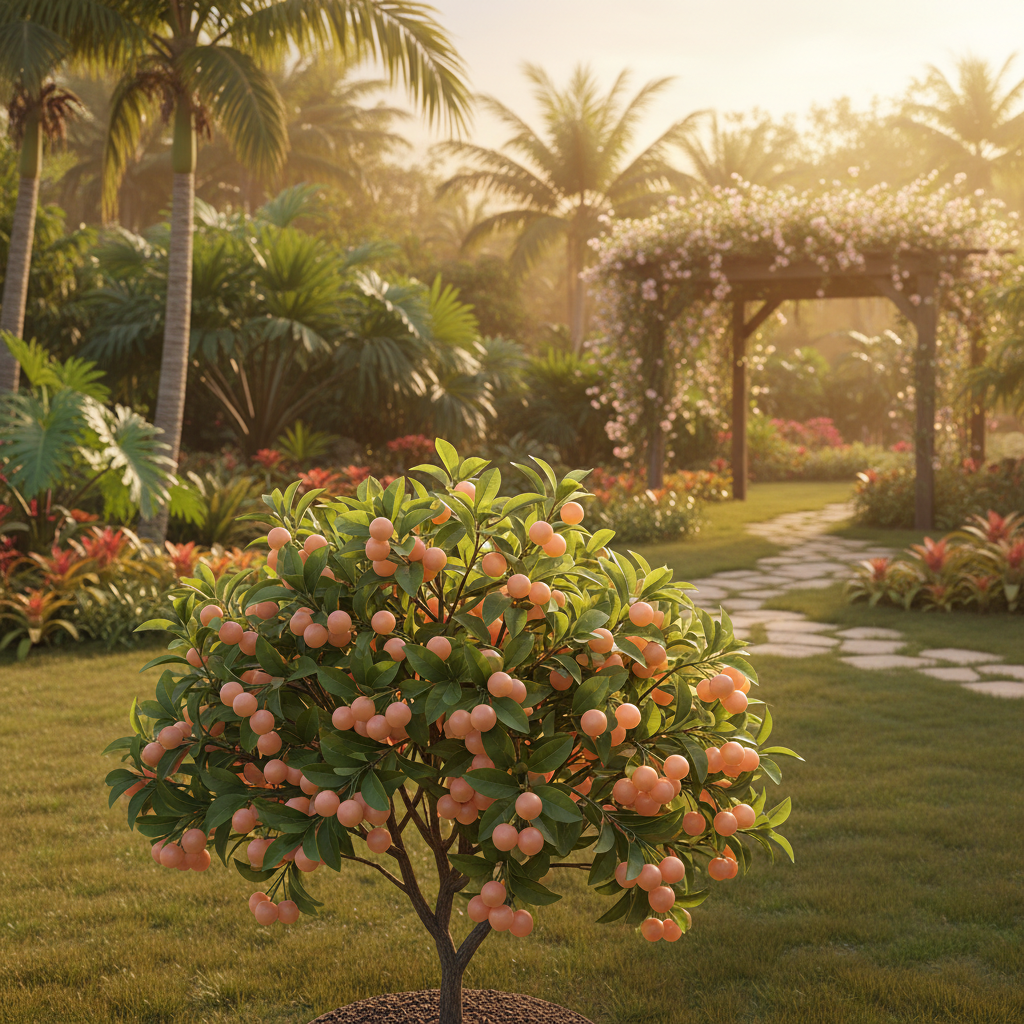
Peach Cherry of the Rio Grande: A Rare Tropical Gem
If you have been hunting for something truly unique to add to your tropical fruit collection, the Peach Cherry of the Rio Grande (often sold as Peach COTRG or Eugenia involucrata var. aurantiaca precox) deserves a serious look. This striking cultivar combines the charm of cherry-like fruits with warm peachy-orange tones and a surprising, complex flavor.
As more home gardeners and small growers in 2025 look to diversify their backyards with rare, high-value tropical fruits, selections like Peach Cherry of the Rio Grande are moving quickly whenever they hit the market. Its recent return to stock is a reminder that these special varieties don’t stay available for long—especially for growers in subtropical and mild climates who want something beyond the usual citrus, mango, and guava.
This guide will walk you through what makes Peach COTRG special, how it compares to other tropical fruits, and what you need to know to grow it successfully—so you can decide if it earns a place in your collection and plan ahead before availability tightens again.
What Is the Peach Cherry of the Rio Grande?
The Cherry of the Rio Grande is a small tropical/subtropical fruit tree in the Myrtaceae family, related to jaboticabas and Surinam cherries. The Peach Cherry of the Rio Grande is a particularly rare selection or variety, sometimes labeled as involucrata var. aurantiaca precox.
Key characteristics
While details can vary by seedling and line, Peach COTRG is generally known for:
- Fruit color: Distinctive peachy-orange to golden hues instead of the more common dark red/purple.
- Flavor profile: A complex sweetness with mild acidity and occasional notes reminiscent of peach, apricot, or a delicate cherry.
- Precocity: The term precox suggests earlier bearing than many standard Cherry of the Rio Grande seedlings.
- Size and habit: Typically a compact, bushy tree or large shrub—great for small gardens and container culture.
Why collectors are excited
For tropical fruit collectors and serious hobbyists, Peach COTRG ticks several boxes:
- It’s genetically and visually distinct, making it more than just another seedling of a common species.
- The unusual color and flavor give it high show-and-tell value—perfect for tastings, social media, and local plant swaps.
- As a rarer variety, it can become a niche offering for small nurseries or micro-orchards that market specialty fruits or scion wood.
In other words: this is not just another fruit tree. It’s a conversation piece that can also become a smart long-term investment for passionate growers.
Climate, Site Selection, and Growing Conditions
Understanding the plant’s needs is critical if you want your Peach Cherry of the Rio Grande to thrive and bear heavily.
Ideal climate zones
Cherry of the Rio Grande is generally suited to warm subtropical and mild tropical climates. Many growers report good performance in areas with:
- Mild winters: Light frosts can sometimes be tolerated, especially by established plants, but hard freezes are risky.
- Warm summers: Consistent warmth encourages fast growth and reliable flowering.
Growers in borderline climates often succeed by:
- Planting in a protected microclimate (against a south-facing wall, in a courtyard, or sheltered corner).
- Using containers that can be moved to protection during cold snaps.
Soil and drainage
Like many Myrtaceae, Peach COTRG appreciates:
- Well-draining soil with good structure.
- A slightly acidic to neutral pH.
- Organic matter in the form of compost or well-rotted mulch.
To optimize conditions:
- Avoid heavy, poorly drained clay soils, or amend heavily with coarse material to improve drainage.
- Mulch with wood chips or shredded bark to conserve moisture and feed soil life over time.
Sunlight and exposure
For best flowering and fruiting:
- Provide full sun in mild climates.
- In very hot, dry regions, consider light afternoon shade to protect young leaves from scorch.
The more light the tree receives (within reason), the more compact and productive it will typically be.
Planting, Watering, and Fertilization
Once you’ve secured your Peach Cherry of the Rio Grande—whether as a young plant or a more established tree—initial care will set the stage for years of harvests.
Planting tips
When you first plant:
- Acclimate: If your plant arrives from a greenhouse, gradually adapt it to outdoor sun over 7–10 days.
- Dig wide, not too deep: Loosen a hole 2–3 times the width of the pot, but plant at the same depth or slightly higher.
- Backfill with native soil: Avoid over-amending inside the planting hole, which can discourage roots from exploring.
- Water deeply: Saturate the root zone thoroughly after planting to settle soil and remove air pockets.
Container growers should choose a well-draining mix (such as a blend of pine bark, perlite, and compost) and a pot with ample drainage holes.
Watering strategy
Peach COTRG appreciates consistent moisture, especially while young and during flowering and fruiting:
- Keep soil evenly moist but not waterlogged.
- Allow the top layer to dry slightly between waterings in containers.
- In-ground trees generally need regular deep watering in the first 1–2 years, tapering off as roots establish.
Mulching is your ally here: a good mulch layer stabilizes soil moisture and reduces irrigation frequency.
Fertilization for strong growth and fruiting
To support healthy growth and flowering:
- Use a balanced, slow-release fertilizer formulated for fruit trees or acid-loving plants.
- Supplement with organic inputs like compost, worm castings, or fish-based fertilizers.
A simple seasonal schedule might include:
- Early spring: Balanced fertilizer to fuel new growth.
- Early summer: Light feeding to support fruit set and development.
- Early autumn (in warm climates): Gentle organic feed to maintain vigor without pushing excessive tender growth into winter.
Watch your plant’s leaves and growth pattern—lush, deep green foliage and steady extension growth are good signs your nutrition is on track.
Flowering, Fruiting, and Harvest Expectations
For many growers, the biggest question is: How long until I get fruit? This is where a precocious selection like Peach COTRG can shine.
Time to bearing
Exact timelines depend on growing conditions and the starting size of the plant, but many Cherry of the Rio Grande types can:
- Begin flowering in 3–5 years from seed under good conditions.
- Flower earlier if grown from grafted or selected precocious stock.
With a cultivar labeled precox, you can often expect:
- Earlier first crops compared to typical seedlings.
- A faster transition from “decorative shrub” to productive fruiting tree.
Flowering and pollination
Cherry of the Rio Grande is generally self-fertile, meaning a single plant can set fruit. However, having:
- Two or more trees can often improve fruit set and yield.
- Diverse genetics may also add resilience in variable conditions.
Flowers are typically small, white, and attractive to pollinators, adding ornamental value during bloom.
Fruit quality and uses
When ripe, Peach COTRG fruit is often described as:
- Sweet and aromatic, with low to moderate acidity.
- Texturally similar to a soft cherry or small plum.
- Visually captivating thanks to its golden-peach coloration.
Some practical uses include:
- Eating fresh off the tree as a garden snack.
- Making small-batch jams, jellies, and syrups.
- Incorporating into desserts, smoothies, or fruit salads for a tropical twist.
Because it’s still a niche fruit, every harvest gives you a chance to experiment and develop your own signature recipes.
Why Peach COTRG Is a Smart Addition for Growers
With so many tropical and subtropical fruits available, why prioritize this one now—especially just because it’s temporarily back in stock?
Unique value for collectors and small sellers
For serious collectors and budding nursery owners, Peach Cherry of the Rio Grande offers:
- Scarcity: Limited availability increases perceived value and future trading potential.
- Differentiation: A golden, peach-colored Cherry of the Rio Grande stands out in any collection or plant sale.
- Storytelling power: Its background as a unique, precocious selection makes it easy to market at local events or to fellow enthusiasts.
This is the kind of tree that can anchor a “rare tropicals” corner in your garden or become a highlight in a specialty plant catalog.
Practical benefits for home gardeners
Even if you never plan to sell plants or fruit, Peach COTRG has practical, everyday benefits:
- Compact habit makes it suitable for small yards, patios, and container gardens.
- Ornamental value: Glossy foliage, attractive flowers, and colorful fruits make it as decorative as many ornamental shrubs.
- Seasonal interest: Depending on your climate, it can offer multiple moments of interest across the year—new flushes of growth, blooming, and ripening fruit.
In a world where many backyards are dominated by the same few species, planting rare tropicals is a direct way to create a more diverse, resilient, and interesting home ecosystem.
Acting while it’s available
Special selections like Peach COTRG often appear in limited runs:
- Growers may produce only a small batch each season.
- Demand from collectors means stocks can sell out quickly.
If you’ve been considering expanding your tropical fruit collection or adding something distinctive to your edible landscape, this is a good moment to move from research mode to action mode: decide where you’d place it, how you’d protect it in winter if needed, and how it fits into your long-term fruit-growing plan.
Getting the Most From Your Peach Cherry of the Rio Grande
Once you’ve secured a plant, a few strategic steps can maximize its potential and your enjoyment.
Plan your long-term layout
Before planting in-ground, think ahead:
- How tall and wide do you want the tree to get?
- What other fruit trees or shrubs will surround it?
- Do you have easy access for watering, pruning, and harvesting?
Designing your layout now saves you from having to relocate established plants later—a stressful process for both you and the tree.
Simple care checklist
Use this as a quick reference for the first few years:
- Year 1–2:
- Year 3–5:
- Beyond Year 5:
Tracking performance
Because Peach COTRG is still relatively uncommon, your experience contributes to the broader understanding of this variety. Consider keeping simple notes on:
- First flowering and fruiting dates.
- Taste and texture observations.
- Response to pruning, fertilization, or container vs. in-ground culture.
Over time, this personal data helps you refine your care approach and gives you valuable insights to share with the tropical fruit community.
Conclusion: A Timely Opportunity for Tropical Fruit Enthusiasts
The Peach Cherry of the Rio Grande stands out as a rare, visually stunning, and promising addition to any serious tropical or subtropical fruit collection. Its combination of peachy-golden coloration, attractive flavor, compact growth, and precocious fruiting make it far more than a curiosity—it’s a practical, productive tree with genuine long-term value.
With Peach COTRG currently back in stock, this is an ideal moment to decide if it belongs in your garden, container collection, or small orchard plan. If you’re ready to diversify beyond the usual tropical standards and invest in something truly unique, consider securing a plant now, mapping out its place in your landscape, and setting up the simple care routine that will carry it into its fruiting years.
How will you integrate this rare tropical gem into your growing space—and what new flavors and possibilities could it unlock in your garden over the next few seasons?