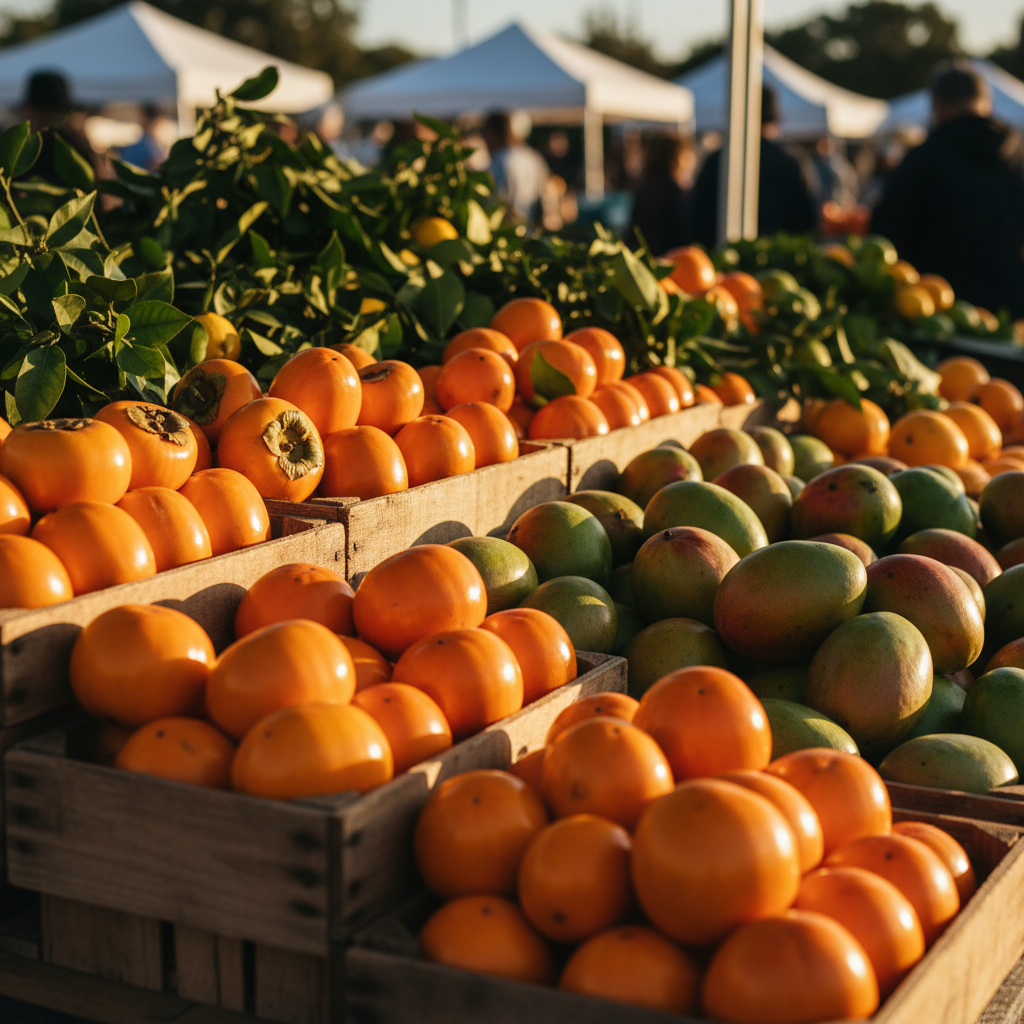
Persimmon and Mango Taste Test: The SoCal Flavor Guide
If you love tropical fruit, there’s no better time than late fall in Southern California to run a proper persimmon and mango taste test. The markets are brimming with crunchy Fuyu persimmons, custardy Hachiyas, and the last of the season’s California-grown Keitt mangos. This post breaks down how these fruits stack up in flavor, texture, and versatility—so you can buy with confidence and enjoy them at their peak.
Whether you’re a home cook, a wellness-focused eater, or a produce buyer planning holiday menus, a thoughtful persimmon and mango taste test helps you pick the right fruit for the right moment. You’ll learn what’s in season now, how different varieties compare, and the best ways to ripen, store, and serve both fruits.
Why a Persimmon and Mango Taste Test Matters in SoCal
Southern California enjoys a rare overlap: peak persimmon season and late-season mango availability. That means your flavor options—from crisp, honeyed slices to tropical, juicy cubes—are unusually wide right now. A side-by-side tasting reveals nuances you’ll miss if you try these fruits weeks apart.
Think of this as a flavor lab for your kitchen: taste, compare, and let your menu follow the fruit.
For holiday hosting and meal prep in November, these fruits pull double duty. They’re elegant on cheeseboards, bright in salads and salsas, and crowd-pleasing in desserts. Running a guided tasting ensures you choose the varieties that best match your dishes.
What’s in Season Right Now
Persimmons
- Peak in SoCal from October through December
- Widely available varieties: Fuyu (non-astringent) and Hachiya (astringent)
- Specialty finds: Jiro, Giant Fuyu, Saijo, Maru/Chocolate (in some markets)
Fuyus eat well while firm and sweet—think “apple crunch with honeyed notes.” Hachiyas must be jelly-soft to avoid astringency; when ready, they become custardy and intensely sweet.
Mangos
- California-grown Keitt often lingers into October and sometimes November in warmer microclimates
- Imported varieties (e.g., Kent, Tommy Atkins, Ataulfo/Honey) appear year-round, though flavor peaks vary
Keitt mangos are green-skinned even when ripe, with low fiber and a clean, tropical sweetness. Imported Kent or Ataulfo may show up now with a mix of citrus, floral, and melon notes depending on ripeness.
Side‑by‑Side Flavor, Texture, and Aroma
Fuyu vs. Hachiya: Two Persimmon Personalities
- Fuyu (non-astringent): Crisp when firm; flavors of honey, brown sugar, and cinnamon spice. Great raw in salads, on toast, or sliced for snacks.
- Hachiya (astringent until soft): Must be fully jelly-soft before eating; ultra-sweet with apricot, date, and caramel notes. Best for spooning, baking, or blending into desserts.
Aroma-wise, Fuyu is subtle and clean; Hachiya smells like dried fruit and warm sugar when ready. Texture is the big separator: Fuyu delivers crunch; Hachiya gives you custard.
Mango Varieties You’ll Meet Now
- Keitt: Low acidity, silky texture, green skin even when ripe, tropical sweetness with melon undertones.
- Kent (often imported): Juicy, aromatic, moderately sweet with a pleasant tang.
- Ataulfo/Honey: Buttery and rich when fully ripe, with floral, honeyed notes and minimal fiber.
Mangos bring a broader aromatic range—tropical, floral, sometimes piney or citrusy—while persimmons lean into warm, honeyed flavors.
Sweetness and Balance
A quick sweetness check using the Brix scale (a measure of sugars) is useful as a guide:- Fuyu and Hachiya persimmons often taste as sweet or sweeter than many mangos at peak.
- Mangos vary widely by variety and ripeness, typically offering a brighter acid balance alongside their sugars.
In tastings, Fuyu’s sweet-crisp balance pairs beautifully with salty and creamy foods; Hachiya’s syrupy intensity excels in desserts; mangos deliver tropical lift and juiciness that brighten salsas, smoothies, and fruit salads.
How to Select, Ripen, and Store
Persimmons
- Fuyu selection: Choose firm fruit with glossy skin and an intact green calyx. Slight orange blush is fine; they sweeten as they color. Eat firm for crunch or let soften slightly for a tender bite.
- Hachiya selection: Pick fully colored fruit that feels heavy for its size. Ripen at room temperature until pudding-soft—like a water balloon. Do not eat firm Hachiyas; they’ll be astringent.
- Storage: Countertop ripening is best. Once ready, refrigerate 1–3 days to slow softening. Freeze ripe Hachiya pulp for baking.
Mangos
- Selection: Ignore skin color; go by aroma and gentle give at the shoulders. A ripe mango yields slightly to pressure and often smells fragrant at the stem end.
- Ripening: Keep at room temp. To speed ripening, place in a paper bag with an apple or banana (ethylene helps). Avoid the fridge until ripe.
- Storage: Refrigerate ripe mangos up to 5 days. Cut mango keeps 2–3 days chilled in an airtight container.
Quick Troubleshooting
- Chalky or mouth-drying persimmon? It wasn’t fully ripe (likely Hachiya). Let it soften completely.
- Flat-tasting mango? It was picked underripe. Let it sit longer at room temp; if still bland, use in smoothies with citrus and a pinch of salt.
Pairings, Recipes, and Serving Ideas
Simple Tastings and Boards
- Fuyu slices with prosciutto, burrata, and toasted pistachios
- Mango cubes with chili-lime salt and fresh mint
- Hachiya spoonfuls over Greek yogurt with granola and cacao nibs
Salads and Savory Pairings
- Crunchy Fuyu salad: shaved Fuyu, arugula, fennel, lemon, olive oil, and Parmesan
- Mango salsa: mango, red onion, jalapeño, cilantro, and lime—perfect for fish tacos or roasted cauliflower
- Persimmon carpaccio: thin Fuyu rounds, olive oil, flaky salt, pepper, and a drizzle of balsamic
Baking and Dessert
- Hachiya pudding bread: blend super-soft pulp into quick breads or puddings for a date-like sweetness
- Mango lassi smoothie: ripe mango, yogurt, cardamom, and a touch of honey
- Roasted Fuyu: wedges tossed with maple and cinnamon; serve with vanilla ice cream
Pro Tip: Salt and Acid
A pinch of salt and a hit of acid (lime for mango, lemon for Fuyu) sharpen flavors and balance sweetness—especially helpful if your fruit is slightly underripe.Nutrition and Wellness Notes
Both fruits are nutrient-dense and naturally sweet.
- Persimmons: Rich in fiber and carotenoids (including beta-carotene), plus vitamin C. Fuyu offers satisfying crunch with fewer drips; Hachiya provides an indulgent texture without added sugar.
- Mangos: Excellent source of vitamin C and a good source of vitamin A precursors. They contain natural enzymes that can aid in breaking down carbohydrates.
Mindful tips:
- If you’re watching sugars, keep portions moderate and pair fruit with protein or fat (yogurt, nuts, cheese) for steadier energy.
- Those with latex or certain pollen sensitivities may experience mild reactions to mango skin; peeling helps many people.
- Avoid unripe Hachiya due to astringency from tannins; it’s a texture and taste issue more than a safety concern when the fruit is otherwise sound.
Smart Buying Tips for Southern California
- Shop the season: October–December is persimmon prime time. Late-season California Keitt mangos may still appear into November depending on microclimate and supply.
- Feel and smell, don’t just look: Green Keitt can be perfectly ripe; Hachiya must be very soft; Fuyu can be enjoyed firm.
- Plan the ripening curve: Buy a mix—some ready now, some firmer for later in the week. Store ripe fruit in the fridge to stagger peak days.
- Talk to growers and produce managers: Ask when a new shipment landed, which boxes smell most fragrant, and which varieties are eating best this week.
- Host a mini tasting: Pick one persimmon type and one mango variety, label slices, taste side by side, and take notes. This builds your personal flavor map for future purchases.
Final Verdict and Next Steps
In a persimmon and mango taste test, there’s no single winner—there’s a best fruit for each use. Choose Fuyu for crisp, honeyed salads and boards, Hachiya for velvety desserts, and Keitt or Kent mangos for tropical juiciness in salsas, smoothies, and fruit bowls. The smartest SoCal strategy this month is to buy a mix and let your menu follow what ripens first.
Ready to put this guide into action? Build a simple tasting flight at home this week, or reach out to schedule a seasonal tropical fruit consult or tasting for your team or client event. Your next standout dish might start with a single perfect slice.