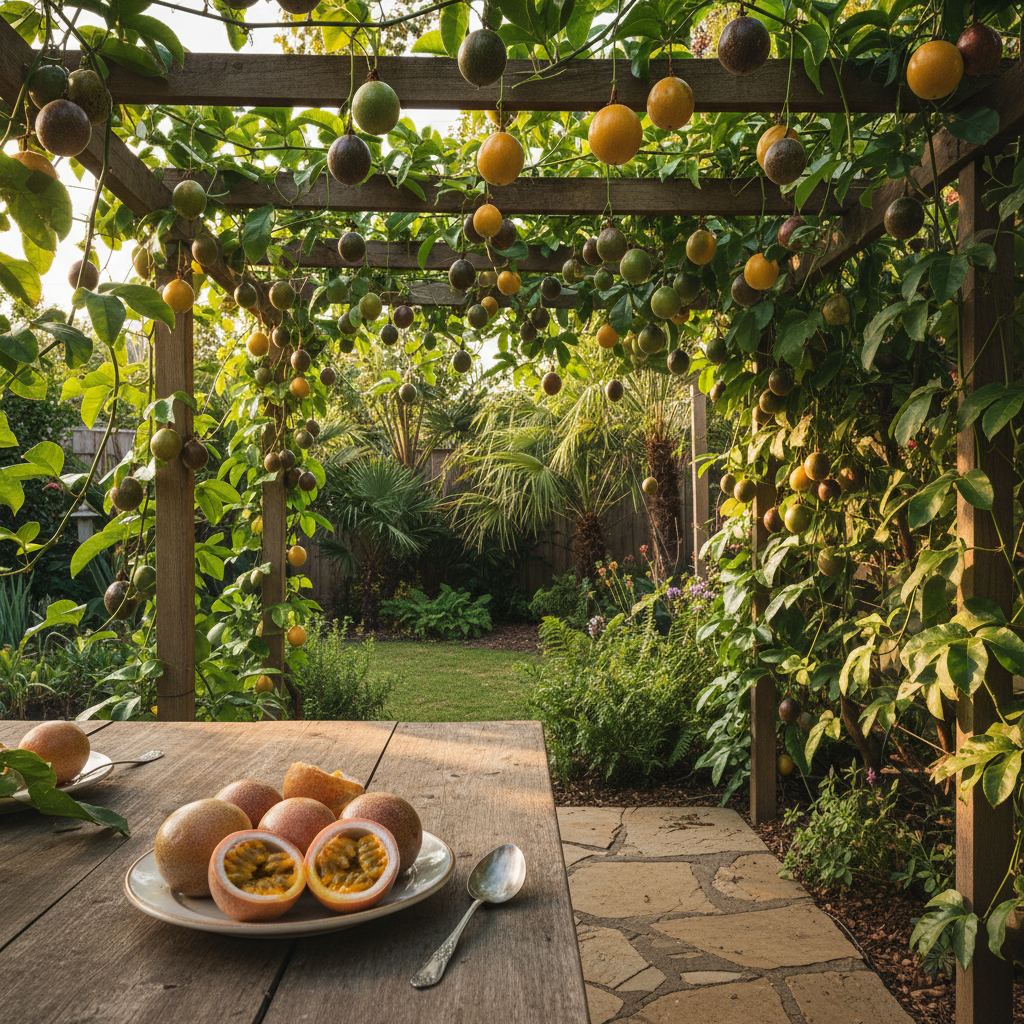
Late fall is tasting season for passion fruit lovers, and many growers are eyeing that next vine for the trellis. If you’re torn between sticking with the reliable Purple Possum or hunting down the harder-to-find Qin Mi 9, you’re in the right place. This guide breaks down flavor, yield, and growing traits so you can choose wisely—and enjoy more harvests next year.
The question we hear most: “What’s truly different?” The short answer is flavor profile and fruiting behavior. The longer answer involves sweetness, acidity, aroma complexity, climate fit, and pollination. Below, you’ll find a practical tasting comparison, realistic sourcing advice for 2025, and grower-tested steps to set your vine up for a standout season.
Why Passion Fruit Tasting Matters
Not all passion fruit is created equal. Even within Passiflora edulis, cultivars can diverge dramatically. When you’re short on space, a clear flavor target helps you select the right plant.
The five pillars of passion fruit flavor
- Sweetness (often measured as
Brix) - Acidity (that refreshing tart “snap”)
- Aroma (tropical complexity: mango, guava, floral)
- Juice-to-seed ratio (how much pulp you actually get)
- Rind thickness (affects usable yield per fruit)
Your best match depends on how you use the fruit:
- Fresh eating: Look for higher Brix, softer acidity, and aromatic depth.
- Juicing and cocktails: Balanced acidity brightens drinks; yellow types excel here.
- Desserts and curds: Intense aroma and stable acidity shine in custards and curds.
A smart selection saves you seasons of trial-and-error. Decide your flavor goal first; then pick the vine that delivers it.
Qin Mi 9 vs Purple Possum: Flavor and Fruit
The buzz around the Qin Mi 9 passion fruit comes from reports of high sweetness and a richly perfumed aroma. Purple Possum, by contrast, is a dependable purple edulis favored for backyard trellises across warm regions.
Tasting notes at a glance
- Qin Mi 9 (reports from growers and tastings):
Brix for an edulis.
- Acidity: Moderate; tends to finish smooth rather than sharp.
- Aroma: Lush tropical bouquet—think guava, pineapple, and a floral lift.
- Texture: Generous pulp with a silky feel; seeds typical of edulis.
- Use: Excellent fresh, desserts, and syrups where perfume matters.
- Purple Possum:
Mini tasting matrix (typical ranges)
- Purple edulis types: 14–18
Brix, medium acidity, complex aroma. - Yellow/flavicarpa types: 12–16
Brix, higher acidity, powerful juice for drinks. - Select/high-Brix lines (Qin Mi 9–style reports): 16–20
Brixpotential under ideal culture, rounded acidity, pronounced perfume.
Reality check: Field conditions, nutrition, sun exposure, and ripeness change everything. If your vine’s fruit tastes dull, prioritize more light, potassium-forward feeding, and full-vine ripening before swapping cultivars.
Growth, Climate, and Pollination
Choosing by flavor is smart; choosing by site fit is smarter. Here’s what to consider before planting.
Vigor and trellising
- Expect vigorous vines capable of 15–30 feet of growth in a season.
- Provide a sturdy trellis with horizontal runs; fruit sets best on laterals.
- Prune after major harvests to refresh fruiting wood and manage size.
Climate fit and cold tolerance
- Best performance: warm, frost-free climates with long summers.
- Purple edulis (including Purple Possum): light frost may damage leaves; protect below 30°F (-1°C).
- Yellow/flavicarpa types generally need more heat and are less cold-tolerant.
- Overwinter in containers in cool climates; bright light and minimal wet feet are critical.
Pollination and fruit set
- Many edulis selections are self-fertile but still benefit from pollinators.
- Hand pollination boosts yield, especially in greenhouses or during cool spells.
How to hand-pollinate in 60 seconds:
- On a freshly opened flower (late morning often ideal), collect pollen from the anthers with a small brush.
- Dab onto the sticky stigma lobes in the same flower or cross to another flower.
- Mark hand-pollinated flowers with a twist tie to compare set rates later.
Pests and disease basics
- Common pests: aphids, scale, mealybugs, and caterpillars (gulf fritillary). Encourage beneficials and spot-treat early.
- Root issues: Phytophthora thrives in saturated soil. Use fast-draining media, avoid low spots, and mulch lightly.
- Nutrition: Passion fruit are potassium-hungry during bloom/fruiting; overdoing nitrogen fuels leaves, not flavor.
What to Plant If You Can’t Find Qin Mi 9
If sourcing Qin Mi 9 is challenging, you can still diversify beyond Purple Possum with cultivars or types that hit similar flavor goals.
Purple edulis standouts
- Frederick: Prolific, reliable, and often sweeter than generic purples with excellent backyard performance.
- Nancy Garrison: Early-bearing in some regions; classic tang with good aroma.
- Black Knight: Rich flavor, dark skin, and showy flowers—great for edible landscaping.
Yellow/flavicarpa and hybrids for juice lovers
- Panama Red/Gold: Bigger fruit, punchy acidity, and tons of juice—ideal for drinks and sauces.
- Hybrid lines (purple × yellow): Often combine perfume with brightness; look for descriptions noting “complex aroma” or “dessert quality.”
Cold-climate alternative
- Maypop (Passiflora incarnata): Hardy to colder zones, fragrant flowers, and pleasantly tart fruit. Flavor is simpler than edulis but excellent for jam and syrups.
Wild card for the adventurous
- Giant Granadilla (P. quadrangularis): Massive fruit with a milder, melon-like profile. Needs heat and space; better for tropical or greenhouse growers.
Tip: When labels vary by region, focus on traits in the nursery’s description—Brix, aroma notes, intended use (fresh vs juice), and local performance reports.
Sourcing, Planting, and Care Tips for 2025
Holiday gift season and winter planning make late fall a perfect time to reserve plants for spring. Use this playbook to land healthy stock and hit the ground running.
Smart sourcing
- Choose reputable nurseries or specialty tropical fruit growers; ask about parent stock and stability of traits.
- Prefer vigorous, well-rooted plants in 1–3 gallon pots with active new growth.
- Verify species and type (purple edulis vs yellow/flavicarpa vs hybrid). Names can be confusing—traits matter more.
Planting window and setup
- Timing: Plant after frost risk passes and soils warm.
- Site: Full sun, wind-protected if possible, with a trellis in place before planting.
- Soil: Fast-draining, slightly acidic (pH 6.0–6.5). In containers, use a chunky mix: 50% high-quality potting mix, 25% fine bark, 15% perlite/pumice, 10% compost.
Feeding for flavor
- Establishment: Balanced fertilizer at transplant (e.g., moderate nitrogen).
- Fruiting: Shift to higher potassium and calcium; light, frequent applications beat heavy doses.
- Microbes matter: Compost and light mulches support soil biology—just keep the crown dry.
Watering and pruning rhythm
- Keep evenly moist, never soggy. Let the top inch of soil dry between waterings in containers.
- Train vines along wires, then prune to promote lateral spurs where flowers form.
- After a heavy crop, prune and feed to recharge for the next flush.
Indoor and shoulder-season tactics
- Greenhouse/indoors: Provide high light, good airflow, and hand pollination.
- Temperature: Nights above 55°F (13°C) encourage steady growth; avoid cold, wet roots.
Quick Buyer’s Checklist (Save This for Spring)
- Primary flavor goal: dessert-sweet, all-purpose, or juice-forward?
- Climate reality: frost-free, protected patio, or greenhouse?
- Space and structure: robust trellis ready before planting?
- Pollination plan: bees present, or will you hand-pollinate?
- Pot or ground: container size ≥ 15–25 gallons if potting.
- Nutrition strategy: potassium-forward during bloom and fruiting.
- Sourcing confidence: nursery reputation and cultivar traits verified.
The Bottom Line
If you love the classic tang of Purple Possum but want more perfume and potential sweetness, the Qin Mi 9 passion fruit is an exciting target—when you can find it. If availability is tight, several purple edulis standouts and red/gold Panama types can still deliver a noticeable shift in flavor and yield.
Ready to choose your next vine? Define your flavor goal, match it to your climate, and line up a trellis and feeding plan now. For a streamlined decision, request our Passion Fruit Cultivar & Sourcing Checklist—then savor your first tasting flight next season.
Which direction will you go this year: silky-sweet and perfumed, or bright and zesty? Either way, your 2025 tasting notes will make the next Qin Mi 9 passion fruit decision even easier.