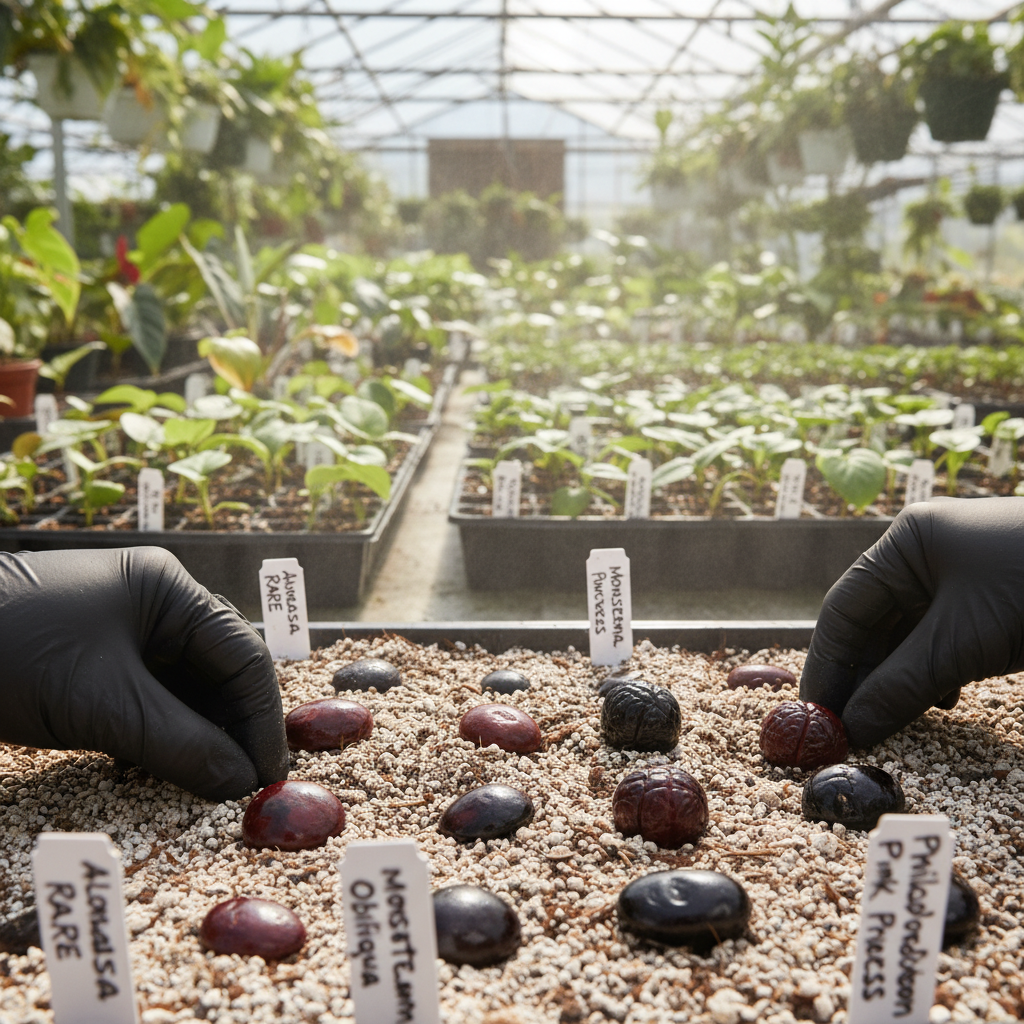
Suluk Sionggong Zibenthius Graveolens Hybrid Seeds Guide
If you’ve been tracking rare tropical fruit releases this season, you’ve likely seen chatter about Suluk sionggong zibenthius graveolens hybrid seeds. With interest building and tiered pricing emerging, growers are asking a simple question: Is now the time to buy—and if so, how many?
November is planning season for many collectors and micro-nurseries in the Northern Hemisphere. It’s the perfect window to start tropical seeds indoors so plants are well established by spring. In this guide, we break down what makes these hybrid seeds compelling, how to evaluate the pricing, and the exact germination and care steps to tilt the odds in your favor.
You’ll leave with a clear, grower-tested plan: whether the price pencils out for your goals, how to prepare for shipping and sprouting, and how to reserve your preferred quantity with confidence.
What We Know (and Don’t) About This Hybrid
Hybrid releases in the rare fruit community often carry vernacular or provisional names before formal descriptions are published. “Suluk,” “sionggong,” and “zibenthius graveolens” appear to reference regional naming or breeding lines rather than a fully documented cultivar. That doesn’t diminish the potential—it simply means you should approach the opportunity with a discerning grower’s mindset.
Treat ultra-rare seeds like a limited trial: verify, document, and share results. Your notes become part of the community’s knowledge base.
Here’s how to frame your expectations:
- Rarity: Scarcity can drive price, but also variability. Expect some phenotypic diversity among seedlings.
- Parentage and traits: Without a published pedigree, assume exploratory outcomes. Flavor, vigor, and cold tolerance may vary.
- Viability: Tropical seeds are often recalcitrant (they don’t tolerate drying). Prioritize freshness and fast shipping.
If you’re new to rare hybrids, start modestly and scale once you prove your protocol. Experienced growers and micro-nurseries can justify larger lots to capitalize on the price break and selection potential.
Pricing Tiers Explained—and What They Mean for You
Current pricing circulating in the community:
- $6 per seed
- 5+ seeds: $5 each
- 10+ seeds: $4.50 each
Pricing alone doesn’t answer “Is it worth it?” What matters is your effective cost per established plant. Use this simple framework.
Estimate Effective Cost per Plant
Make conservative assumptions to avoid surprises:
- Germination rate: 70% (adjust if you’re highly experienced or using advanced treatments)
- Seedling survival to transplant: 80%
Combined probability of one robust transplant: 0.70 × 0.80 = 56%
- Single-seed price ($6): $6 ÷ 0.56 ≈ $10.71 per established plant (expected)
- 5+ tier ($5): $5 ÷ 0.56 ≈ $8.93 per established plant
- 10+ tier ($4.50): $4.50 ÷ 0.56 ≈ $8.04 per established plant
These numbers let you compare this opportunity to other rare tropical fruit seeds you’ve trialed. If you routinely hit 80–90% germination, your effective cost drops further. Conversely, if shipping delays or cold snaps reduce viability, adjust upward.
How Many Should You Buy?
Match quantity to your goal:
- Curious collector: 3–5 seeds to test protocols and confirm viability
- Selection-focused hobbyist: 10–15 seeds to select for vigor and traits
- Micro-nursery or trade: 20–50 seeds for batch consistency and inventory planning
Buying at the 10+ tier usually provides the best balance of price and selection power, especially if you plan to share or trade surplus seedlings by spring.
Germination: Step-by-Step Protocol for Tropical Hybrids
Fresh tropical seeds reward speed and consistency. Here’s a proven workflow that balances sanitation with vigor.
Before You Start
- Prepare a sterile, airy medium: 50% coco coir + 30% perlite + 20% fine orchid bark or pumice
- Label everything (date, lot, and any observed traits)
- Target environment: 24–28°C (75–82°F), 60–80% humidity, bright indirect light
Seed Prep and Sanitation
- Inspect: Discard visibly damaged or moldy seeds.
- Rinse: 3–5 minutes under cool running water to remove sugars/pulp.
- Sanitize: 3% hydrogen peroxide bath for 5 minutes; rinse with clean water.
- Hydrate: Soak 12–24 hours in room-temperature water. Advanced growers may use GA3 at low concentration; optional.
Sowing
- Depth: Plant at 1–2× the seed’s thickness; orient the hilum sideways if obvious.
- Spacing: 2–3 cm between seeds in a tray, or sow in individual deep cells to reduce root disturbance.
- Cover with a humidity dome; vent briefly daily to prevent damping-off.
Environmental Control
- Heat: Bottom heat mat set to 26–27°C improves uniformity.
- Light: 12–14 hours of bright, diffuse light; avoid direct midday sun.
- Moisture: Keep medium evenly moist, not wet. A fine mist is safer than heavy pours.
Timeline and Troubleshooting
- Typical sprout window: 2–8 weeks (longer if seeds were cool in transit)
- If no movement after 6 weeks, carefully check one seed to assess imbibition and callus formation
- For mold: Increase ventilation, spot-treat with cinnamon or a biological fungicide, and reduce free water
First Pot-Up and Early Nutrition
- Transplant when roots hold the plug and first true leaves expand
- Use a well-draining mix (e.g., 40% quality potting mix, 30% perlite, 20% fine bark, 10% compost)
- Feed at 25–50% strength with a balanced fertilizer every 10–14 days
- Introduce gentle airflow to strengthen stems and reduce fungal pressure
Winter Realities: Shipping, Storage, and Survival
With late-year interest high, protect your investment from cold and delays.
Shipping and Receiving
- Request moisture-retentive packing (e.g., barely damp sphagnum or vermiculite)
- Ask for temperature consideration and avoid weekend holds
- On arrival: warm to room temp before unsealing; process seeds the same day
If You Must Store Briefly
- Tropical, recalcitrant seeds should not dry out
- Keep at 18–22°C in breathable packaging with slightly moist medium
- Limit storage to a few days; every day counts against viability
Greenhouse and Indoor Setup (November–February)
- Prioritize stable root-zone heat over ambient air temperature
- Use LED supplementation to maintain day length and reduce legginess
- Avoid cold drafts; keep night temps above 18°C (64°F) for most tropicals
Authenticity, Legality, and Ethical Sourcing
Rare doesn’t have to mean risky. Safeguard your collection and the broader ecosystem.
- Documentation: Request clear lot descriptions and any available parentage notes
- Phytosanitary compliance: Ensure seeds meet your region’s import and quarantine rules
- Biosecurity: Isolate new arrivals; inspect for pests and fungal issues before integrating
- Ethics: Favor cultivated, legally sourced seed over wild harvesting to support long-term conservation
Responsible buying today ensures these genetics remain available—and improved—for years to come.
Who These Seeds Are Best For
- Dedicated collectors seeking novelty and potential standout seedlings
- Micro-nurseries aiming to select vigorous lines for future propagation
- Botanical and educational growers documenting performance under controlled conditions
If you prefer guaranteed, uniform outcomes, consider waiting for vegetatively propagated plants once the best selections emerge. If you love discovery, this is the exciting (and rewarding) phase to participate in.
How to Register Interest and Plan Your Lot
Given the tiered pricing—$6 single, $5 at 5+, $4.50 at 10+—interest lists often fill fast. To streamline your request:
- Decide your target tier and quantity range (e.g., 10–15 for selection power)
- Prepare your shipping window and location (note cold-weather routing needs)
- Share your experience level; if you’re new, plan for an extra 10–20% buffer in your count
A clear request helps you secure the right lot size before winter backlogs and holiday shipping windows tighten.
Key Takeaways
- Suluk sionggong zibenthius graveolens hybrid seeds are a high-interest, limited offering—best approached with a test-and-scale mindset.
- The 10+ tier often delivers the best effective cost per established plant, assuming solid germination practices.
- Fast processing, clean media, steady root-zone heat, and patient monitoring are your biggest levers for success.
Ready to move? Register your interest with your preferred quantity tier and growing setup details so you can receive availability updates and reserve your lot. If you’re on the fence, start with a pilot batch, document diligently, and scale once you’ve dialed in your protocol.
In a season defined by planning and preparation, Suluk sionggong zibenthius graveolens hybrid seeds offer a timely, adventurous addition to your collection. Plant with intention—and share what you learn.