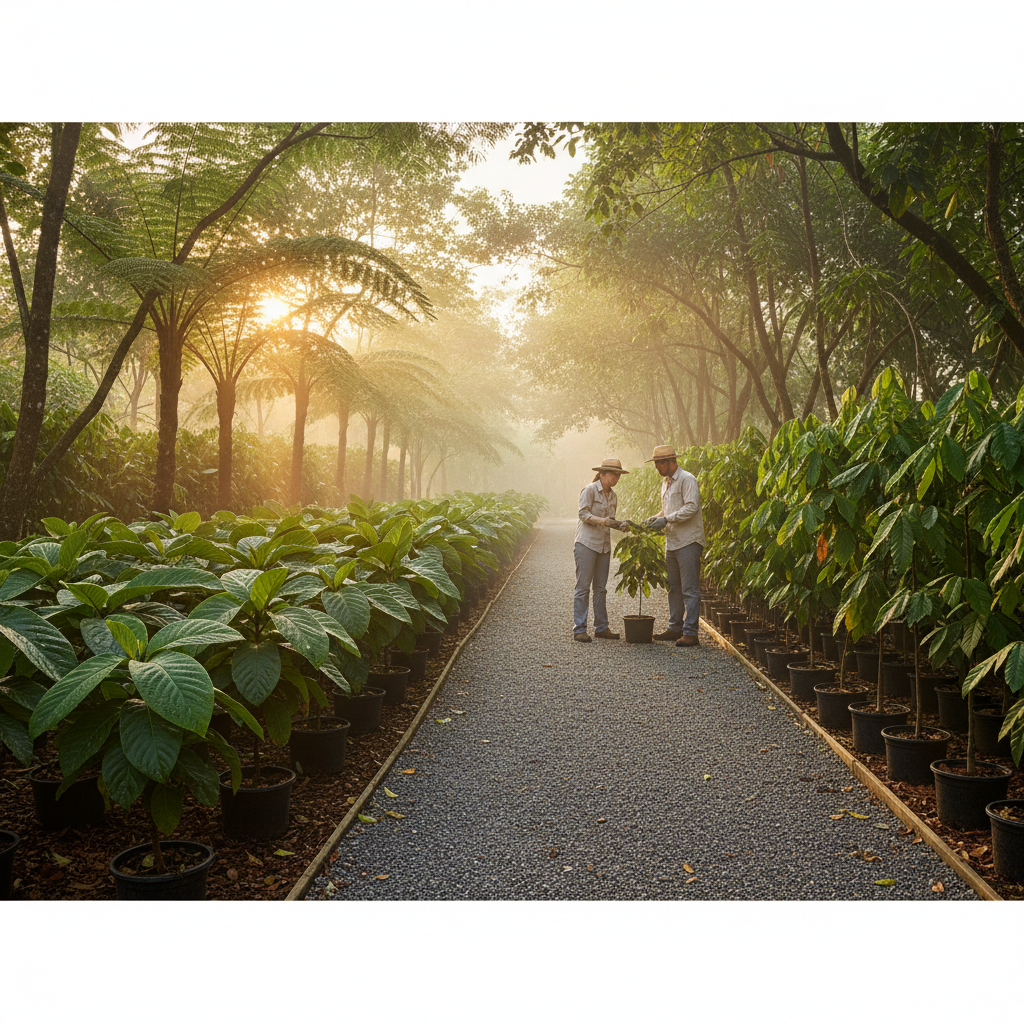
Trade & Grow Theobroma grandiflorum (Cupuaçu) 2025
If you’ve been scanning trade boards for rare tropicals—think cacao, Spanish lime, and cashew—you’ve likely seen offers pop up for Theobroma grandiflorum plants. Known as cupuaçu, this close cousin of cacao is generating buzz among collectors, growers, and artisan food brands. Today, with holiday planning in full swing and greenhouse season underway in the Northern Hemisphere, there’s a timely opportunity to secure stock and map your 2026 harvest strategy.
This guide distills what you need to know to source, trade, and grow Theobroma grandiflorum plants successfully. You’ll learn how to evaluate plant quality, navigate shipping and phytosanitary considerations, establish ideal growing conditions, and turn fruit into high-value products. Whether you’re a backyard enthusiast or building a boutique tropical portfolio, consider this your practical roadmap.
Why Cupuaçu Belongs in Your Collection
“Among cacao relatives, cupuaçu is the sleeper hit—aromatic pulp, passionate fans, and a value chain hungry for new supply.”
Cupuaçu brings a distinct flavor profile—tropical, creamy, with notes of chocolate, pineapple, and pear—that translates beautifully into desserts, beverages, and confections. In 2025, interest in cacao-adjacent flavors and rainforest-origin products is rising, aligning cupuaçu with premium, story-rich offerings.
- Culinary versatility: The pulp shines in sorbets, gelatos, smoothies, and patisserie fillings. Makers also craft “cupulate,” a cacao-like treat with its own identity.
- Brand synergy: If you already trade or grow cacao, Spanish lime (quenepa), or cashew, cupuaçu complements your lineup and broadens your seasonal product calendar.
- Collector appeal: Unique foliage, glossy leaves, and showy pods make cupuaçu a conversation piece for serious tropical collectors and greenhouse growers.
Sourcing and Trading Exotic Tropicals the Right Way
How to assess offers
When you spot Theobroma grandiflorum plants for sale or trade, request specifics:
- Propagation method (seedling vs. grafted) and rootstock used
- Age, height, and caliper; number of flushes; evidence of hardening-off
- Origin (nursery or private grower) and mother tree characteristics
- Growing medium and current fertilization schedule
Grafted plants can reduce time to fruit and deliver known traits, while seedlings are typically more accessible and vigorous. For trades, establish clear equivalencies (e.g., seedling sizes, rare clones) to keep both sides confident and satisfied.
Phytosanitary and legal basics
- Confirm local import rules, quarantine requirements, and permit needs.
- Ask for a clean bill of health: no visible pests, disease lesions, or root stress.
- For interstate or international moves, secure phytosanitary documentation where required. Even domestic shipments should follow best-practice sanitation.
Shipping and timing (November realities)
Late fall brings cooler temps and holiday carrier surges:
- Choose insulated packaging, heat packs when necessary, and 1–3 day transit windows.
- Avoid shipping right before holiday closures; target Monday–Wednesday dispatch.
- Water lightly pre-ship, stake the plant, and immobilize soil and canopy to prevent damage.
Trade etiquette that builds your network
- Share honest photos, including roots and new growth.
- Document packing with quick snapshots.
- Exchange care notes for the first two weeks and be willing to troubleshoot.
Growing Theobroma grandiflorum: Climate, Soil, Care
Cupuaçu is native to the humid Amazon. Recreate that biome thoughtfully and your plants will reward you.
Climate and light
- Temperature: Ideal 70–90°F (21–32°C). Protect from cold drafts; avoid dips below 55°F (13°C).
- Humidity: Target 60–80%. In winter greenhouses, pair bottom heat with humidification to counter dry air.
- Light: Bright, filtered light. Young plants prefer partial shade (30–50% shade cloth). Gradually acclimate to stronger light to prevent leaf scorch.
Soil and watering
- Medium: Well-drained, slightly acidic mix (pH ~5.5–6.5) with high organic matter. Blend of fine bark, coco coir, perlite, and composted material works well.
- Water: Keep evenly moist but never waterlogged. Let the top inch of media dry slightly between waterings. Elevated containers and chunky mixes prevent root rot.
- Mulch: A thin layer of composted bark helps maintain moisture and feeds soil biology.
Nutrition
- Balanced feeding with emphasis on calcium, magnesium, and micronutrients.
- Use gentle, frequent doses during active growth; reduce in cooler, darker months.
- Incorporate slow-release organics plus supplemental liquid feeds as needed.
Container and space planning
- Pot progression: 1–3 gallon for young plants, stepping to 7–15 gallon as roots fill. Avoid oversized pots early on.
- Airflow: Good circulation reduces fungal pressure. Keep foliage dry at night.
- Companions: Understory herbs or groundcovers can help humidity retention if space allows.
Propagation, Pollination, and Plant Health
Seeds and grafting
- Seed handling: Cupuaçu seeds are recalcitrant—viability drops quickly. Plant fresh seeds immediately in warm, moist media.
- Grafting: Used to secure desirable traits and speed fruiting. Side veneer or cleft grafts onto compatible Theobroma rootstocks can work in skilled hands.
- Air-layering: Less common but possible; consistency varies compared to grafting.
Flowering and pollination
- Cupuaçu flowers are primarily pollinated by small insects; in enclosed environments, fruit set may improve with hand pollination.
- Encourage biodiversity: Companion plantings and habitat features can support natural pollinators in tropical houses.
Common issues and preventive care
- Root rot and Phytophthora: Prioritize drainage, avoid standing water, sanitize tools, and space plants for airflow.
- Leaf scorch: Indicates too much direct light or low humidity—adjust shade and misting cycles.
- Nutrient imbalances: Interveinal chlorosis often signals magnesium issues; correct with appropriate amendments.
A simple weekly checklist goes a long way:
- Inspect new growth and undersides of leaves for pests.
- Check moisture at 2–3 depths; adjust irrigation and airflow.
- Wipe down benches, sanitize pruners, and remove fallen debris.
- Record observations to spot patterns before problems escalate.
Market Potential: From Fruit to Products
Cupuaçu’s strength lies in its premium pulp and the story behind it. Consumers already attuned to cacao and Amazonian ingredients are eager for authentic, responsibly grown cupuaçu.
Product pathways
- Frozen pulp for smoothies and patisserie
- Confections and “cupulate”-style treats
- Ice creams, sorbets, and dairy-free desserts
- Aromatic coulis and beverage syrups
Who buys it
- Artisan chocolatiers and bean-to-bar shops seeking cacao relatives
- Specialty bakeries, gelaterias, and smoothie bars
- Direct-to-consumer farmers’ market shoppers seeking rare flavors
Timelines and scale
- Fruiting timeline: Grafted plants can reduce the juvenile phase compared to seedlings, though results vary by environment and care.
- Yield strategy: Mix a small number of grafted specimens with vigorous seedlings to balance early fruiting and long-term canopy vigor.
- Value-add: Even modest harvests command premium prices when processed into distinctive, shelf-ready products.
Positioning with other tropicals
Pair cupuaçu with cacao tastings, Spanish lime samplers, or cashew apple preserves to create themed boxes for winter and spring markets. This cross-merchandising reinforces your brand’s tropical authority and lifts average order values.
Conclusion: Turn Interest into Action
Theobroma grandiflorum plants offer a rare blend of collector appeal and commercial upside. With smart sourcing, careful acclimation, and a rainforest-informed care routine, you can establish a resilient, productive cupuaçu collection that complements cacao, Spanish lime, and cashew.
Ready to move from research to results? Outline your acquisition plan, secure stock while shipping windows are favorable, and map your greenhouse calendar for winter hardening and spring push. If you’d like a current availability list, cultivar guidance, or a tailored growing plan, reach out—let’s turn your cupuaçu vision into a 2026 harvest success.