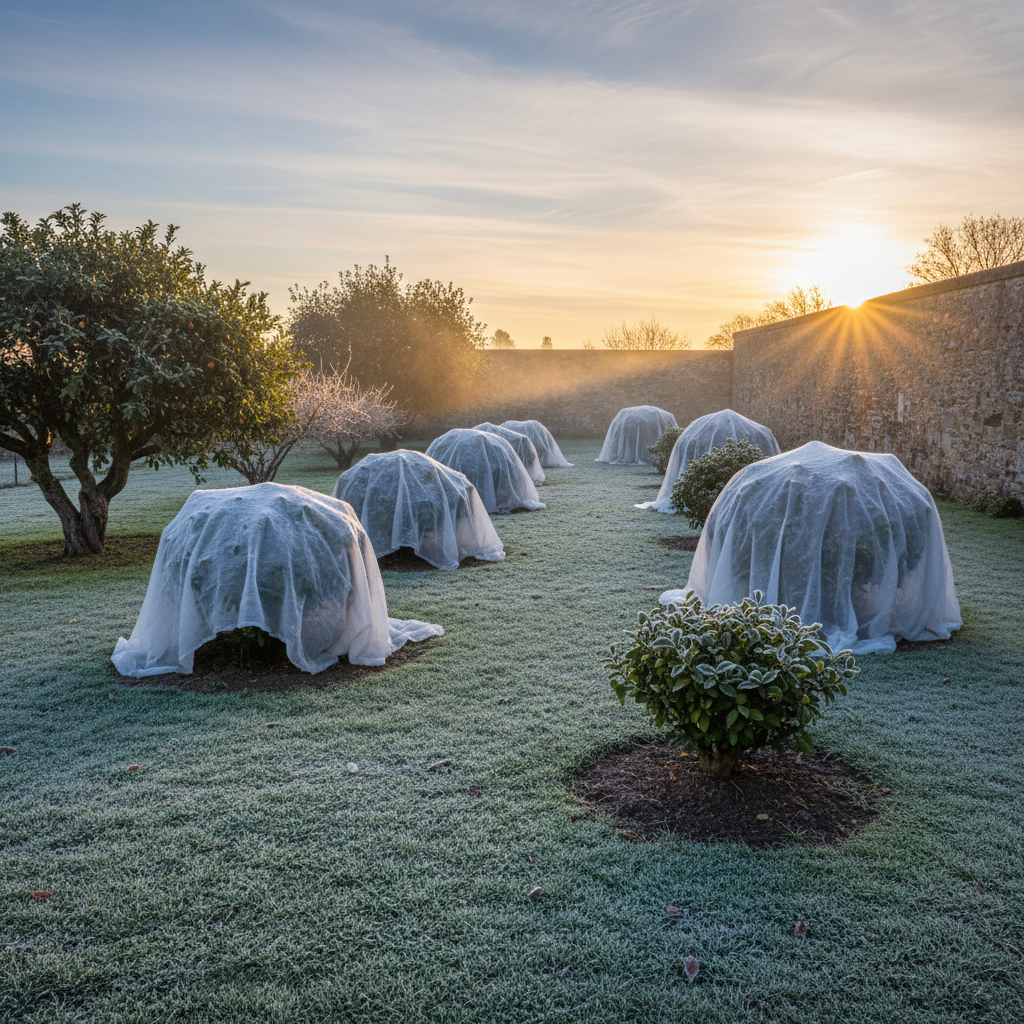
Tropical Fruit Cold Hardiness: Jamun, Sapote, Guava
A couple of frosty nights can make or break a season when you grow tropicals outside their comfort zone. This week, many growers are comparing notes after two dips to 27°F (-3°C), a temperature that tests the limits of jamun, black sapote, and guava. If tropical fruit cold hardiness is on your mind, you’re not alone—and the decisions you make now will shape your harvest next year.
In the Northern Hemisphere, late November often brings the first real cold fronts. For backyard growers and small orchardists, the question isn’t just “Will my trees live?” but “How much canopy and cambium will I save?” This guide translates field observations into practical steps you can take before, during, and after a freeze, so your tropicals recover faster and fruit sooner.
Understanding Cold Hardiness in Tropical Fruit Trees
Tropical and subtropical trees don’t respond to cold like temperate species. Many lack deep dormancy and rely on stored heat in tissues and surrounding microclimates. Damage isn’t only about the number on the thermometer—duration, humidity, wind, and acclimation all matter.
Key factors that decide cold outcomes
- Duration below threshold: Two hours at 27°F typically causes more injury than a quick dip.
- Radiational vs. advective freezes: Clear, still nights radiate heat away; windy Arctic blasts strip heat from tissues. Protection strategies differ.
- Acclimation: Trees slowly eased into cool weather tolerate brief lows better than those abruptly chilled after warm spells.
- Tree age and vigor: Young, fast-growing, nitrogen-rich tissue is most tender; mature, hardened wood is more resilient.
Typical sensitivity bands (ballpark ranges)
- Jamun (Syzygium cumini): Tender. Leaf damage near 32°F, significant injury below 29–30°F; cambial risk increases near 27–28°F on unprotected wood.
- Black sapote (Diospyros digyna): Moderately tender. Leaf burn around 30°F; wood injury possible near 27–28°F if exposure lasts hours.
- Common guava (Psidium guajava): Comparatively tolerant. Leaves often scorch around 28–29°F; mature trees may resprout from wood after mid-20s, roots typically survive colder than canopy.
Rule of thumb: Once temps drop below a species’ threshold, how long they stay there matters more than the exact low.
What 27°F (-3°C) Tells Us About Jamun, Black Sapote, and Guava
Two separate nights bottoming at 27°F for several hours is a meaningful stress test. Expect visible canopy damage on all three species, with different recovery paths.
Likely symptoms by species
- Jamun: Leaf bronzing, wilting, rapid defoliation, and possible splitting or dark streaking on young trunks and branches. Flowers and fruit abort.
- Black sapote: Leaf burn with curling, petiole drop, and patchy cambial damage on thin wood; fruitlets fail.
- Guava: Leaf scorch and defoliation on outer canopy; inner wood often survives. On mature trees, stems may die back to thicker wood.
Immediate triage (first 72 hours)
- Do not prune. Dead-looking leaves can insulate living wood; wait until new flushes show the true line of damage.
- Hydrate the root zone. If soil is dry, water in the afternoon to support recovery and reduce further stress.
- Shield from the next cold night. Keep frost cloth handy; damaged trees are more vulnerable on subsequent nights.
- Sanitation only. Remove mushy fruit and obviously shattered branches that pose hazards, but leave most structural pruning for late winter/early spring.
How far does damage go—leaves, wood, or roots?
- Leaves: Expect widespread loss across all three species at 27°F.
- Cambium/wood: Jamun and black sapote show higher risk on young wood. Guava often resprouts below the damage line.
- Roots: Brief exposure to 27°F typically won’t kill roots in-ground, especially with mulch. Container trees are at greater risk because roots equilibrate quickly to air temps.
Build a Resilient Site and Choose Wisely
Even a few smart site choices can add 2–6°F of protection—often the difference between a clean canopy and a hard reset.
Microclimate moves that pay off
- South-facing walls: Planting within 6–10 feet of masonry creates radiant warmth and wind shelter.
- Cold-air drainage: Avoid low pockets where cold pools. Slight slopes or raised beds shed denser air.
- Thermal mass: Barrels of water, rock borders, and mulched soil store daytime heat and release it overnight.
- Windbreaks: Permeable screens or hedges slow advective winds without creating turbulence.
Variety, rootstock, and planting calendar
- Choose tougher cultivars: Some guavas tolerate mid-20s better; seek selections known for cool-night performance.
- Rootstocks matter: Where available, choose rootstocks noted for vigor and cold resilience.
- Planting timing: Set new trees in late spring so they harden through fall. Late-summer plantings stay juvenile and tender into winter.
Container strategy for marginal zones
- Jamun and black sapote do well in large containers if your winters are unpredictable. Roll them into a garage, greenhouse, or bright indoor space on warning nights.
- Use lightweight mixes with excellent drainage, and elevate pots to reduce heat loss from cold surfaces.
A Layered Frost-Protection Plan You Can Deploy Tonight
Think in layers: capture ground heat, reduce sky exposure, and add just enough supplemental warmth to push tissues above critical temps.
Forecast-based playbook
- 31–33°F, clear and calm: Single frost cloth over the canopy, anchored to the ground to trap soil heat.
- 28–30°F, 2–4 hours: Double-layer cloth or cloth + breathable blanket; pre-irrigate soil in the afternoon; add a small heat source under the cover.
- 24–27°F, multiple hours: Double cover with an air gap, incandescent C9 string or safe-rated clamp light as heat, windbreaks up, and thermal mass under the canopy.
Tools that work
- Frost cloth (breathable): Better than plastic; if you must use plastic, keep it off foliage and add a fabric layer beneath.
- Safe heat sources: Incandescent C7/C9 lights or a ceramic heat emitter beneath covers. Avoid LED for heat—they don’t provide it.
- Moist soil, not soggy: Watering the afternoon before a freeze increases soil heat storage. Overhead irrigation is advanced; only attempt if you can keep a continuous water film the whole freezing period.
- Trunk wraps and whitewash: Reflect sun after icy mornings and reduce bark splitting on jamun and guava.
- Mulch: 3–4 inches to buffer roots, pulling it back a few inches from the trunk to prevent rot.
Quick setup checklist
- Stake covers so fabric doesn’t press on leaves.
- Anchor edges to the ground to trap warm air.
- Place a thermometer at canopy height under the cover to verify you’re staying above critical temps.
- Uncover in the morning to prevent heat buildup and reduce disease pressure.
After the Freeze: Recovery and Next Steps
How you manage the next 6–10 weeks determines how quickly your trees rebound and how soon they return to fruiting.
Pruning and nutrition
- Wait to prune until new growth declares the true damage line, typically late winter. Prune to healthy green cambium, disinfecting tools between cuts.
- Go easy on nitrogen until steady warm weather; push structure first. Favor balanced nutrition with emphasis on potassium, calcium, and silicon to strengthen new tissues.
- Consider biostimulant and seaweed-based products judiciously to support root recovery; consistency beats one-off doses.
Irrigation and disease watch
- Keep soil evenly moist but not waterlogged. Damaged canopies transpire less; adjust schedules accordingly.
- Monitor for cankers on blackened wood. Remove clearly infected twigs during dry weather.
Case snapshot: Zone 9b, two nights at 27°F
- Jamun: Full defoliation, minor bark cracking on 1-year shoots; resprouted from secondary buds by late spring with protection on subsequent cold nights.
- Black sapote: 60–70% leaf loss; tip dieback on small branches; resumed growth from 2–3-year wood.
- Guava: Outer canopy scorch; heavy fruit drop; vigorous resprout from interior shoots and basal suckers.
Bringing It All Together
A 27°F event is a clear reminder that tropical fruit cold hardiness is a system, not a single trait. Species thresholds, microclimate, and your protection playbook combine to decide outcomes. With a layered plan, even tender species like jamun and black sapote can ride out brief cold snaps, and resilient guavas can rebound strongly.
If you’d like a personalized freeze-readiness plan for your yard—species list, thresholds, and a gear checklist—reach out to our team to get a tailored guide before the next cold front. Want a quick win tonight? Start with the playbook above, stage your covers and lights by 4 p.m., and pre-wet the soil.
What will your orchard look like in March—reset or ready to flower? The choices you make this week will set the stage.