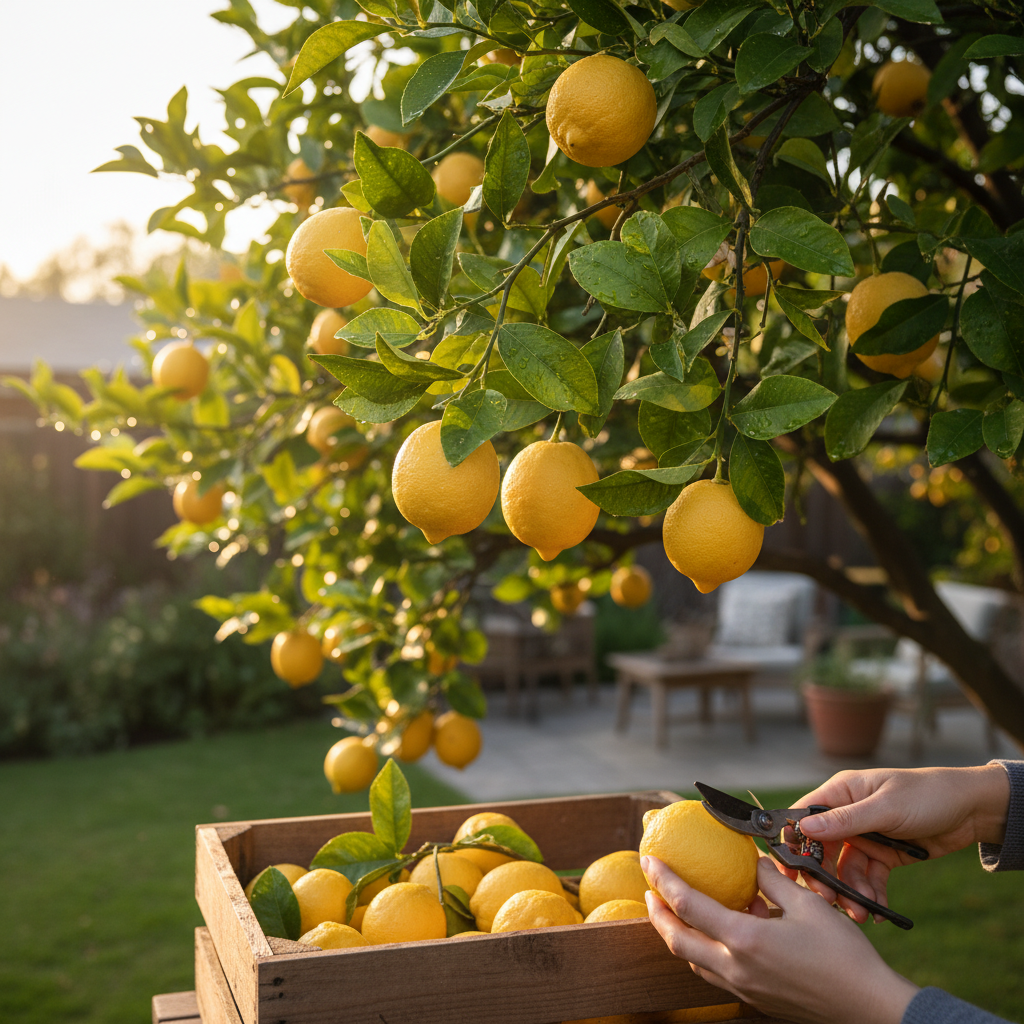
When to Pick Meyer Lemons (and Keep Them Perfect at Home)
If you’ve waited all year for that flush of golden fruit, you may be wondering exactly when to pick Meyer lemons. The good news: this citrus favorite gives you a generous harvest window and rewards a little patience with incredible flavor. Today, we’ll pinpoint the best timing, explain how long lemons can safely hang on the tree, and share simple storage and usage strategies to help you make the most of your crop.
November is prime citrus season across many regions, and Meyer lemons shine during holiday cooking and winter wellness routines. Whether you grow in-ground in a mild climate or keep a container tree by a sunny window, knowing when to pick Meyer lemons will boost sweetness, reduce waste, and keep your kitchen stocked with bright, tropical flavor.
By the end of this guide, you’ll feel confident judging ripeness, choosing whether to pick now or let fruit hang, storing your harvest for weeks, and using every part—from zest to juice—without losing quality.
How to Tell When Meyer Lemons Are Ripe
Meyer lemons are a natural hybrid, with mandarin genes that bring lower acidity and floral sweetness. That hybrid vigor also means they ripen over a span of weeks, not all at once.
Visual and touch cues
- Color: Look for a deep yellow to slightly orange-yellow peel with a soft glow. Pale green-yellow fruit is usually under-ripe.
- Shine: Mature fruit often has a gentle, waxy sheen.
- Feel: Ripe lemons yield slightly under gentle pressure but shouldn’t feel squishy.
- Aroma: A fragrant, floral-citrus scent at the stem end signals peak flavor.
Seasonal timing by climate
- Mild-winter, in-ground trees: Main ripening from late fall through early spring.
- Containers or cooler climates: Ripening may skew later; indoor heat and low light can slow color change.
- First-year trees: Expect uneven ripening as the tree balances growth and fruiting.
Flavor improves as fruit hangs
As Meyer lemons color, their sugars rise and acidity mellows. A fruit that’s just turned yellow is good; a fruit that’s been yellow for a couple of weeks is often great—richer, less sharp, and easier to juice.Quick fact: Once Meyer lemons turn fully yellow, many will hold on the tree for about 4–8 weeks before dropping naturally. Fruit that drops on soft ground is often still perfectly usable if undamaged.
Pick Now or Let Them Hang?
The choice comes down to your goals: maximum sweetness, minimal risk, or a steady kitchen supply.
Reasons to pick sooner
- Weather risk: Frost, strong winds, or heavy rain can scar or drop fruit.
- Pests: Rodents, birds, and snails love ripe citrus.
- Kitchen cadence: If you’ll use them within a week or two, picking now is practical.
Reasons to let fruit hang
- Flavor: Two to three additional weeks on the tree can yield sweeter, juicier fruit.
- Space: Trees are excellent “storage”; hanging fruit frees up fridge space.
- Staggered harvest: Harvest a few each week for the freshest flavor all season.
A simple harvest plan
- Tag a few lemons when they first turn fully yellow.
- Taste one immediately and another 10–14 days later. Choose your preferred flavor point.
- Through winter, pick only what you’ll use in 7–10 days and let the rest hang.
How to harvest without damaging the tree
- Use bypass pruners or snips and leave a short stem nub to avoid tearing the skin.
- Avoid pulling fruit; tugging can damage spurs and reduce next year’s crop.
- Harvest on dry mornings for best shelf life.
Storing Meyer Lemons for Maximum Freshness
Handled well, Meyer lemons keep their fragrant oils and juice for weeks.
Counter vs. refrigerator
- Counter (cool room): 5–7 days. Ideal if you’ll use them quickly.
- Refrigerator crisper: 3–4 weeks, sometimes longer if humidity is moderate.
Tip: Store unwashed; rinse just before use. Moisture on the peel can encourage mold.
Preventing moisture loss
- Use a breathable produce bag or keep fruit in the crisper drawer.
- Avoid stacking heavy items on top; bruises shorten shelf life.
What to do with fallen fruit
- If the peel is intact and the landing was soft (mulch/grass), wash, inspect, and use promptly.
- Cut away any bruised spots and juice that fruit first.
- Discard fruit with sour/off odors, mold, or soft, watery interiors.
Preserve your surplus
- Zest, then freeze: Grate zest and freeze flat in a small bag for easy pinches.
- Freeze juice: Portion into ice cube trays; transfer cubes to a freezer bag.
- Salt-preserved lemons: Transform peels into a deeply savory condiment.
- Curd or marmalade: Excellent for gifting and holiday desserts.
Tree Care for a Reliable, Year-Round Harvest
Healthy trees set better fruit and hold it longer. A few focused habits will pay off this winter and next.
Light, temperature, and protection
- Sun: Aim for 6–8 hours of direct light. Indoors, use the brightest south or west exposure.
- Cold snaps: Protect at 28–32°F with frost cloth or move containers to shelter.
- Heat spikes: Mulch and deep water to prevent stress-related drop.
Watering and feeding
- Water: Deep, infrequent watering; let the top 1–2 inches of soil dry between waterings in containers.
- Fertilizer: Use a citrus-specific formula with micronutrients. Feed lightly in late winter as flowering begins, then again in late spring and midsummer.
- Mulch: A 2–3 inch layer moderates soil moisture and temperature.
Pruning and fruit management
- Clean-up: Remove crossing branches and dead twigs after the main harvest.
- Size control: Light pruning maintains shape and improves light penetration.
- Thinning: If the tree sets heavily, thin marble-sized fruit so the remainder grows larger and sweeter.
Pest watch
- Scale and aphids: Check undersides of leaves and stems. Treat early to prevent honeydew and sooty mold.
- Snails and slugs: Keep mulch pulled back from the trunk; hand-pick after rains.
- Rodents: Harvest lower fruit promptly; consider trunk guards in problem areas.
Delicious Ways to Use a Meyer Lemon Bounty
Meyer lemons bring floral sweetness and a tropical vibe to everyday cooking—perfect for late-fall gatherings and cozy winter menus.
Fast flavor upgrades
- Vinaigrette: 2 parts oil to 1 part Meyer lemon juice, a spoon of Dijon, pinch of salt, cracked pepper.
- Bright grains: Finish warm quinoa or farro with zest, juice, and olive oil.
- Weeknight fish or chicken: Zest on before cooking, squeeze juice after.
Holiday-ready desserts and drinks
- Lemon curd tart: The softer acidity of Meyer lemons makes curd silkier.
- Olive oil cake with lemon glaze: Moist crumb, citrus-forward finish.
- Warm citrus toddy: Meyer juice, hot water, honey, and a cinnamon stick.
Zero-waste citrus habits
- Zest first, juice second: Capture aromatic oils before slicing.
- Candy the peel: Simmer strips in syrup; dry and roll in sugar.
- Citrus salt or sugar: Mix zest with salt or sugar; let dry; use to rim glasses or season seafood.
Quick Troubleshooting Guide
- Fruit stays green for months: Check light and temperature; cooler nights help color up.
- Sour flavor even when yellow: Give fruit 10–14 more days on the tree if weather allows.
- Peeling is hard and dry inside: Overripe or dehydrated; harvest earlier and improve storage humidity.
- Lots of drop at once: Weather stress or pests; water deeply and inspect for damage.
Conclusion: Your Sweet Spot for Harvesting
When to pick Meyer lemons depends on your flavor preference and weather risk, but the sweet spot is clear: once fully yellow, you have roughly 4–8 weeks to harvest, with flavor often improving as fruit hangs. Use your senses—color, aroma, and a gentle squeeze—to guide you, and trust that many dropped fruits are still usable if undamaged.
Ready to put this into action? Walk your tree this week, tag a few lemons, and taste at two stages to find your ideal harvest point. If you want a simple checklist to remember the steps, grab our Meyer Lemon Harvest Checklist—and share your favorite tips for when to pick Meyer lemons with our community. Your tree (and your winter cooking) will thank you.