Yuzukichi Citrus Guide: Flavor, Hardiness, and Identity
When gardeners trade stories in late autumn, one question comes up again and again: “Is your Yuzukichi sweet?” That single line captures the intrigue and confusion around Yuzukichi citrus—an aromatic, cold-tolerant Japanese-type citrus that’s caught the attention of temperate-climate growers. If you’ve brought home a plant or fruit labeled Yuzukichi, you might be wondering whether it’s truly sweet, how hardy it is, and if the label can be trusted.
This guide delivers clarity. We’ll break down what Yuzukichi likely is (and isn’t), how to set realistic expectations for flavor, the truth about cold hardiness, and a practical checklist to identify potential mislabels—something hobbyists occasionally encounter with imported or collector stock. By the end, you’ll know how to grow, protect, and use Yuzukichi like a pro, just in time for winter cooking and holiday menus.
“If the fruit is good and the tree shows good hardiness, it can be grown—whatever it is.” That mindset is wise, but with a few targeted checks you can often confirm whether you’re truly nurturing Yuzukichi or a look‑alike.
What Exactly Is Yuzukichi?
Yuzukichi occupies the same culinary niche as yuzu, sudachi, and kabosu: small, fragrant citrus used green for its zest and high-acid juice. While the exact parentage of Yuzukichi is debated in hobby circles, most growers agree it behaves like a condiment citrus—aromatic, bright, and typically tart when harvested green.
- Expect a compact, moderately thorny tree with fragrant blossoms in spring.
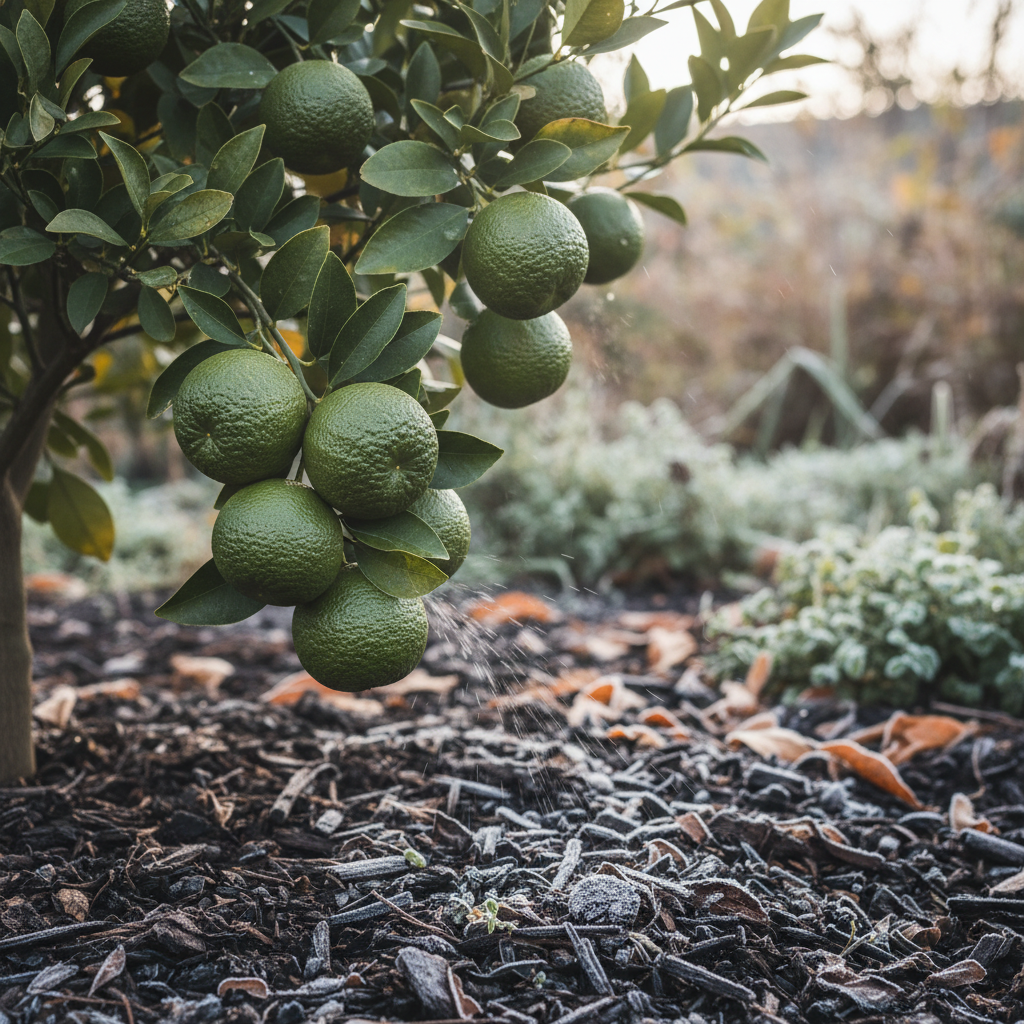
- Fruits are typically golf-ball to small-lime size, used green in late summer to fall and turning yellow later in the season.
- The peel is aromatic; juice quantity depends on maturity and growing conditions.
If your fruit is distinctly sweet while still green, that’s unusual for this type. Fully ripe, yellowed fruit can soften in acidity and taste “rounder,” but classic Yuzukichi should retain lively tartness that lifts food rather than behaving like a dessert citrus.
Sweetness vs. Acidity: What to Expect
What “sweet” really means for condiment citrus
Growers often report Brix (a measure of sugars) in the 6–10 range for green-harvest condiment citrus, with notable acidity. That means the sensory experience is bright and sharp rather than sugary. As fruit colors up, acidity declines, and some perceive more balance, but it rarely approaches the sweetness of mandarins or sweet oranges.
Telltale flavor traits
- Green-stage fruit: zesty, peppery, and floral; zest oil is intense.
- Yellow-stage fruit: slightly less acidic, more rounded; still not “sweet” like satsuma.
- If your green fruit tastes almost like a mild lime with a hint of yuzu aroma, you’re in the right neighborhood.
Why your fruit might taste sweeter than expected
- Warm fall or late harvest date reducing acidity
- Rootstock influence (some rootstocks can shift vigor and fruit chemistry)
- Tree maturity (young trees can produce atypical fruit)
- Mislabeling—sudachi, kabosu, or even a mandarin hybrid occasionally travel under the wrong name in the hobby trade
Practical tip: Track Brix and titratable acidity on a handful of fruits across the season. Even a pocket refractometer can help you distinguish “interesting tart” from “genuinely sweet.”
How Cold-Hardy Is Yuzukichi?
One reason Yuzukichi excites cool-climate growers is its reported cold tolerance—often better than lemons and many mandarins, though typically a notch below the toughest trifoliate hybrids.
Temperatures and zones
- Reported tolerance: short dips to roughly −9 to −7°C (15–19°F) once established and well-sited.
- Practical target: USDA Zone 8 with microclimate advantages; protected culture in Zone 7; container culture in colder regions.
- First-year and container plants are more vulnerable than established, in-ground trees.
Site and microclimate
- Choose a south-facing wall or masonry for reflected heat.
- Avoid frost pockets; aim for airflow without harsh wind exposure.
- Mulch the root zone (keeping mulch off the trunk) to moderate soil temperature.
Winter protection protocol
- Before hard freezes: water deeply, then let the soil drain; hydrated plants tolerate cold better.
- Use breathable frost cloth for radiational frosts; add a second layer or a string of gentle heat (outdoor-rated) for severe cold snaps.
- Shield the graft union with insulation; it’s the tree’s Achilles’ heel.
- Stop high-nitrogen feeding by late summer; switch to a potassium-forward approach to help wood harden.
Container culture tips
- Use a well-draining, citrus-focused mix and a slightly undersized pot to prevent soggy roots.
- Overwinter bright and cool (ideally 5–10°C / 41–50°F) with minimal water.
- Acclimate back outdoors in spring in stages to prevent leaf scorch.
Yuzukichi or Something Else? Field ID and Mislabels
Occasional mislabeling can happen anywhere citrus changes hands, from hobby swaps to respected nurseries. If your “Yuzukichi” is surprisingly sweet or looks unlike other reports, run this quick field checklist.
Visual and botanical clues
- Petiole wings: yuzu and related types often show noticeable winged petioles; sudachi’s are smaller. Yuzukichi typically shows modest wings—visible but not extravagant.
- Thorns: expect moderate thorniness on juvenile wood; heavy thorns or near thornlessness may point elsewhere.
- Fruit size: generally small (golf-ball to small lime). Large, smooth, nearly seedless fruit suggests a mandarin or hybrid.
- Seeds: condiment citrus are usually seedy. Low seed count can hint at a mislabel.
- Peel: slightly pebbled with aromatic oil glands; aroma is complex—floral with herbal or peppery notes.
- Maturity: used green in late summer–autumn; turning yellow later. If it colors extremely early or remains green very late without flavor, question the ID.
The sniff-and-slice test
- Zest aroma: rub the peel; you should get a quick blast of floral-herbal oils.
- Juice profile: high acid, vivid brightness; if it drinks like a mild lemonade when green, it might not be Yuzukichi.
If it’s mislabeled—what then?
You still have options:
- Keep it if it’s tasty and hardy; a good tree is a good tree.
- Topwork with confirmed scionwood to convert some scaffolds to Yuzukichi.
- Maintain it as a rootstock source, grafting Yuzukichi or other cold-hardy favorites onto established roots.
Document the tree with photos of leaves, petioles, blossoms, and fruit across the season; those images plus taste notes make future identification more reliable.
From Garden to Kitchen: Uses and Harvest Timing
November is prime time to put Yuzukichi to work. Its green-stage brightness cuts through rich, seasonal dishes and holiday spreads.
Harvest windows
- Green harvest: late summer into autumn for intense zest and tart juice.
- Yellow harvest: late autumn to early winter for slightly softer acidity and more rounded flavor.
Easy, high-impact uses
- Quick ponzu: equal parts Yuzukichi juice and light soy; finish with a touch of dashi or citrus zest.
- Roasted vegetables: whisk juice with olive oil, honey, and mustard for a glaze that brightens squash, carrots, or Brussels sprouts.
- Holiday cocktails and spritzers: swap in Yuzukichi for lime in sours; rim with citrus salt.
- Citrus salt or sugar: grate zest into flaky salt or fine sugar; dry and store for instant aromatics.
- Herb-chili paste: mash zest and chili with salt for a Yuzu‑kosho‑style condiment that pairs with grilled meats.
Pro tip for consistent flavor
Harvest several fruits, sample both green and yellow stages, and note which ripeness best matches your palate and recipes. Consistency comes from repeating what you record.
A 90-Day Plan for Confidence and Results
Put structure behind your curiosity and you’ll answer the “Is it really Yuzukichi?” question while improving tree performance.
- Weeks 1–2: Photograph leaves, petioles, and any fruit; record thorniness and aroma. Test Brix on one green and one yellowing fruit.
- Weeks 3–6: Implement winter protection. Adjust feeding to potassium-forward if still warm; cease nitrogen. Mulch and secure frost cloth.
- Weeks 7–10: Repeat taste tests across ripeness stages. Note seed count, peel texture, and juice aroma. Compare to the checklist above.
- Weeks 11–12: Decide whether to keep, topwork, or source a verified plant in spring. Save labeled cuttings for future grafts if permitted in your area.
Keep the main goal in sight: flavorful fruit and a resilient tree. Accurate identification is the path—not the destination.
Conclusion: Clarity, Confidence, and Better Fruit
Yuzukichi citrus thrives when you set the right expectations: tart, aromatic brightness at the green stage; modestly softer acidity when yellow; solid cold tolerance with sensible protection. If a label or flavor doesn’t add up, your field checklist and simple measurements will bring clarity—and either confirm your prize or point you toward topworking and a fresh start.
Ready to move from guesswork to great harvests? Start your 90‑day plan, assemble winter protection now, and jot down your tasting notes. If you’d like personalized guidance on cultivar ID, rootstock choices, or an equipment checklist for cold snaps, request our cold‑hardy citrus starter kit and schedule a quick grower consult. Your best season with Yuzukichi citrus can start today.