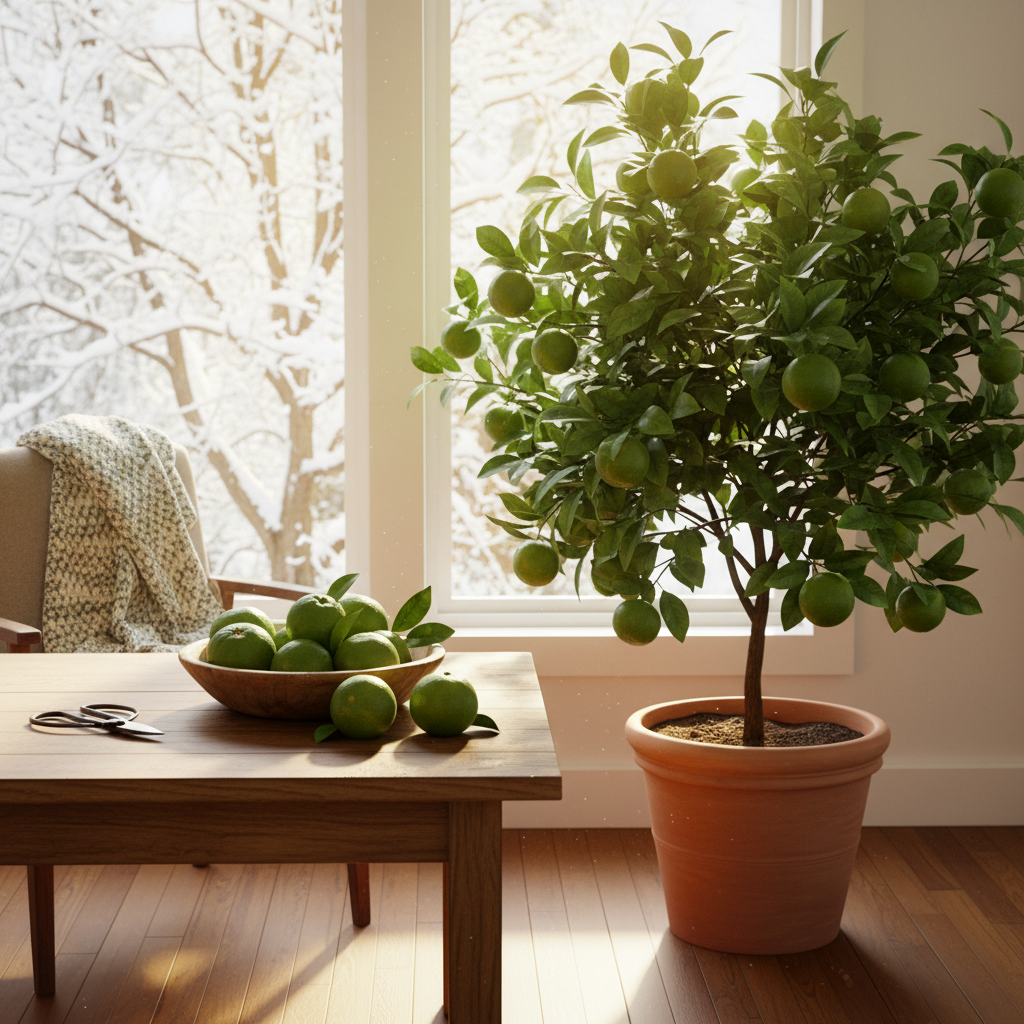
Cold snaps are rolling in across the Northern Hemisphere, and many citrus lovers are moving container trees indoors. If your Yuzukichi stayed stubbornly green and then developed brown, bad-smelling spots, you’re not alone. Understanding Yuzukichi harvest timing can be the difference between bright, aromatic fruit and a disappointing loss right as winter begins.
This post unpacks why Yuzukichi often refuses to turn yellow, how to tell it’s actually ready, and what to do to prevent rind breakdown and rot. You’ll also find a clear winter care routine for container-grown, cold-hardy citrus so your plant thrives through the shortest days and rewards you next season.
Why Your Yuzukichi Stayed Green — And Why That’s OK
Yuzukichi is a Japanese sour citrus in the yuzu-sudachi family, prized for fragrant acidity. Like its cousins, it’s commonly harvested green for peak zest and tang. Color in citrus is a cosmetic trait influenced more by cool-night temperatures than by ripeness itself.
- Cool nights encourage “color break.” Without nightly dips into the 10–15°C range, fruit can stay green even when mature.
- Indoors or in mild autumns, fruit may never fully yellow but can still be ready to use.
- Many sour citrus, including Yuzukichi, are traditionally picked green for culinary uses, much like limes or sudachi.
In short: if your Yuzukichi stayed green, don’t wait for color to change before picking. Use ripeness cues instead.
Ripeness Cues: When to Pick Yuzukichi Citrus
Color alone will mislead you. Instead, rely on a handful of practical tests to dial in Yuzukichi harvest timing.
The 5 best maturity checks
- Taste test: Pick one fruit and sample. You’re looking for bright aroma, juicy flesh, and vivid acidity without harsh bitterness.
- Weight and feel: Mature fruit feels heavy for its size with a slight “spring” under gentle thumb pressure. Immature fruit feels rigid and light.
- Seed color: Slice one fruit—if seeds are turning tan to brown (not translucent green), you’re near or at maturity.
- Oil gland sheen: The rind should look glossy with pronounced aromatic oils. Dull, flat skin can indicate immaturity.
- Calendar window: Yuzukichi typically matures from early autumn into late fall. In many regions, that’s roughly October–December for container plants; earlier in warmer climates.
Pick before the cold front
If a hard freeze is forecast or you must bring plants inside, harvest any fruit that meets most of the cues above—even if still green. Extreme cold, sudden indoor warmth, and condensation after moving can push borderline fruit into decay.
Don’t wait for perfect yellow
For sour, aromatic citrus like Yuzukichi, the peak culinary window often arrives while peel is still green. Waiting for full yellow can reduce acidity and raise the risk of rind breakdown—especially in humid indoor conditions.
Preventing Brown Spots and Post-Harvest Rot
Brown, soft, foul-smelling spots are signs of post-harvest rot. The trigger is usually a mix of overmaturity, micro-injuries during handling, moisture on the rind, and temperature swings. Here’s how to prevent it.
Before you pick
- Harvest on a dry day. Wet rinds invite fungal entry.
- Use clean, sharp snips and leave a short stem nub to avoid tearing the peel.
- Handle fruit gently and avoid stacking that bruises the rind.
- Thin dense canopy during the growing season for airflow; remove any mummified fruit promptly.
Right after harvest
- Air-dry the fruit for several hours in a single layer.
- Avoid sealing in plastic; use breathable containers or slatted trays.
- Inspect for injuries. Use blemished fruit first; store only intact, unbruised fruit.
Storage conditions that work
- Temperature: Cool, not cold—about 7–10°C for whole fruit. Too warm speeds decay; too cold risks chilling injury.
- Humidity: Moderate; avoid condensation. Line trays with paper and change if damp.
- Airflow: Light, consistent airflow helps keep rinds dry.
If you see spots
- Isolate affected fruit immediately.
- Wipe down storage surfaces; replace papers or liners.
- Use remaining fruit quickly or convert to juice/zest for freezing.
Long-term cultural practices
- Prune for airflow and sunlight penetration during the growing season.
- Avoid overhead watering late in the day.
- Consider preventative sprays during wet seasons (e.g., gentle bicarbonate or labeled copper products) according to local guidance.
Overwintering Yuzukichi Indoors Without Losing Fruit
Moving citrus indoors in late fall is a stress point for plants and fruit. Reduce shock with a simple transition plan and steady winter routine.
The 7-day transition
- Day 1–3: Move to a shaded, protected outdoor spot near the house to lower light gradually.
- Day 4–7: Bring indoors to the brightest window or under grow lights (10–12 hours daily). Keep a small fan running for airflow.
Ideal indoor conditions
- Light: South or west exposure; supplement with LED grow lights if needed.
- Temperature: 12–18°C is ideal. Avoid hot drafts, radiators, and wood stoves.
- Humidity: 40–55%. Use a tray with pebbles and water or a humidifier in very dry rooms.
- Watering: Reduce frequency. Let the top 2–3 cm of mix dry between waterings. Never leave the saucer full.
- Feeding: Pause heavy feeding in winter; resume balanced citrus fertilizer as days lengthen in late winter/early spring.
Pest watchlist
Indoor air favors spider mites, scale, mealybugs, and whiteflies.
- Inspect weekly (leaf undersides, stems, and nodes).
- Rinse leaves in the sink or shower as needed.
- Use sticky traps for monitoring.
- Spot-treat early with horticultural soap or oil per label directions.
Fruit drop and leaf yellowing
Some leaf and fruit drop is normal after the move. Focus on stable light, conservative watering, and consistent temps. Most plants stabilize in 2–3 weeks.
Using and Storing Yuzukichi: Flavor, Shelf Life, and Ideas
Yuzukichi delivers a lifted, floral-citrus perfume with vivid acidity. It shines in the kitchen precisely when winter menus need brightness.
Short-term storage
- Counter: 3–5 days if your home is cool and dry.
- Refrigerator crisper: 2–3 weeks in a vented produce bag.
- Best practice: Keep whole fruit cool and dry; wipe off condensation before refrigerating.
Preserve the aroma
- Juice: Freeze in ice-cube trays for instant splashes in tea, soups, marinades, and cocktails.
- Zest: Freeze zest in small jars or mix with salt/sugar to capture aroma.
- Salt-preserved peel: Ferment finely sliced peel with salt for an umami-rich seasoning.
Quick culinary uses
- Ponzu-style dressing: Yuzukichi juice + soy + a touch of sweet + shaved aromatics.
- Bright finishing acid: Over grilled fish, roasted squash, or winter greens.
- Seasonal desserts: Zest in shortbread, yogurt cakes, or curd for a fragrant twist.
A Handy Checklist for the Season
- Don’t wait for yellow—judge maturity by taste, weight, and seed color.
- Harvest ahead of cold fronts and before moving plants indoors.
- Store cool, dry, and ventilated; use blemished fruit first.
- Transition plants over 7 days; give bright light and steady temps.
- Water less in winter; monitor pests weekly.
The Bottom Line
Yuzukichi harvest timing is less about peel color and more about maturity cues you can see and taste. Pick when fruit feels heavy and aromatic—even if it’s still green—and store it cool and dry to avoid brown, smelly rot. With a calm, consistent indoor routine, your cold-hardy citrus will carry its energy through winter and set you up for a bigger, better crop next year.
Want a simple plan for your exact space and climate? Reach out to request our Winter Citrus Care Checklist and a quick consult—so your Yuzukichi rewards you with bright, tropical flavor all season long.